


Down Syndrome Dog: All Important Facts About It
Down Syndrome Dog: Is It Real Or False?
Dogs cannot have Down Syndrome. This is a scientific fact, not an opinion. Unlike humans who have 23 pairs of chromosomes, dogs have 39 pairs with a completely different genetic structure.
The confusion often stems from certain genetic disorders in dogs that produce symptoms resembling Down Syndrome. You might notice a dog with unusual facial features, delayed development, or cognitive challenges and wonder if they have a condition similar to Down Syndrome. This misinterpretation often leads to the misconception of ‘syndrome in dogs,’ where genetic or congenital disorders mimic Down syndrome symptoms.
Several genetic conditions in dogs can present with similar characteristics:
- Congenital Hypothyroidism: Causes stunted growth, lethargy, and facial puffiness
- Pituitary Dwarfism: Results in smaller size and delayed development
- Congenital Hydrocephalus: Creates an enlarged skull and coordination problems
Dogs with these conditions may show physical traits like unusual facial features or smaller stature. You might also observe behavioral differences such as slow learning or reduced coordination.
Health complications often accompany these genetic disorders, including vision or hearing problems, seizures, or heart defects. These symptoms can sometimes mislead pet owners into thinking their dog has Down Syndrome.
If your dog shows these signs, proper veterinary diagnosis is crucial. While these conditions aren’t Down Syndrome, they still require specific care and management strategies.
Many dogs with genetic disorders can live happy lives with appropriate care. You might need to adjust their diet, provide suitable exercise, or create a safer home environment to accommodate their needs.
Remember that a diagnosis of a genetic condition doesn’t define your dog’s quality of life. With understanding and proper care, these special dogs can thrive in loving homes.
What is Down Syndrome?
Down syndrome is a genetic disorder that occurs when an individual has a full or partial extra copy of chromosome 21. This chromosomal condition affects people, not dogs, and is associated with cognitive delays and certain physical characteristics. In humans, Down syndrome is a common chromosomal condition that affects physical and mental development, and individuals with Down syndrome have a higher risk of certain health issues.
Can Dogs Have Down Syndrome?
No, dogs cannot have Down syndrome. While dogs can exhibit traits that are indicative of Down syndrome, such as cognitive delays and distinct physical features, Down syndrome has not been described in dogs. The main reason for this is the difference in the number of chromosomes between humans and dogs. Humans have 23 pairs of chromosomes, while dogs have 39 pairs, making it impossible for dogs to have a duplication of chromosome 21, which is the cause of Down syndrome in humans.
Examples Of Genetical Disorders In Dogs That Are Misconstrued As Down Syndrome
Dogs cannot have Down Syndrome due to their different chromosome structure. Humans have 23 sets of chromosomes with Down Syndrome occurring when there’s an extra copy of chromosome 21, while dogs have 39 sets of chromosomes. This syndrome occurs because the extra chromosome affects the genetic makeup and development of individuals, which is not possible in dogs due to their different chromosomal structure.
Several genetic conditions in dogs present symptoms that might appear similar to Down Syndrome. Congenital hypothyroidism causes stunted growth, large tongue, and cognitive issues that pet owners sometimes mistake for Down Syndrome.
Pituitary dwarfism affects growth and development, leading to small stature and delayed mental development. This condition is particularly common in German Shepherds and can cause features that resemble those associated with Down Syndrome in humans.
Congenital hydrocephalus creates an abnormal accumulation of fluid in the brain, causing an enlarged head, coordination problems, and cognitive impairments. These symptoms can be misinterpreted as a Down Syndrome-like condition.
Portosystemic shunt is another condition where blood bypasses the liver, leading
1. Pituitary Dwarfism
Source: ResearchGate
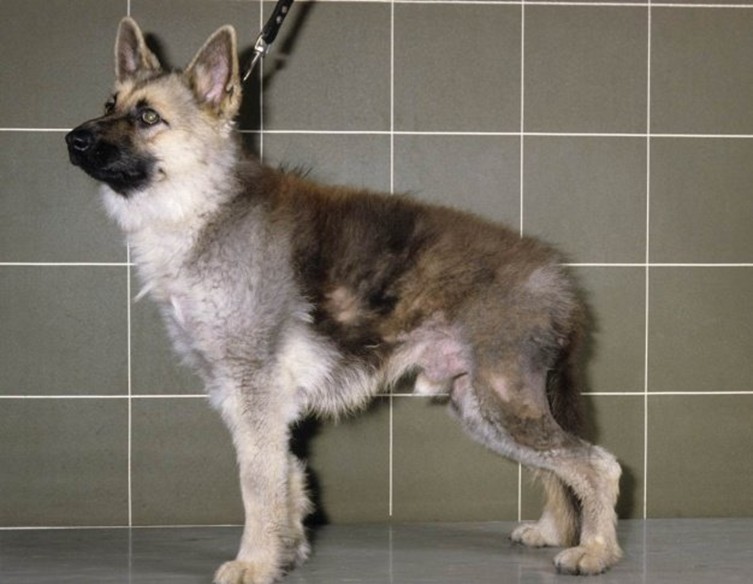
Pituitary dwarfism in dogs is a rare inherited disorder often misidentified as “Down syndrome.” Unlike Down syndrome (which is a chromosomal condition affecting humans), pituitary dwarfism results from growth hormone deficiency due to incomplete development of the pituitary gland.
You’ll notice affected puppies begin to lag behind littermates in growth between 2-5 months of age. While normal siblings continue growing, these dogs maintain proportionally small bodies—small but correctly proportioned.
The coat tells a revealing story. Dogs with pituitary dwarfism retain their soft, woolly puppy fur instead of developing adult guard hairs. This leads to a characteristic appearance with thin, sometimes patchy fur and symmetrical hair loss patterns on both sides of the body.
Skin problems frequently accompany this condition. You might observe unusually thin skin, areas of increased pigmentation, and occasional inflammation or secondary infections due to compromised skin health.
Dental development suffers too. Your dog may have delayed eruption of permanent teeth or completely missing adult teeth. This often creates dental crowding and increases the risk of oral health problems.
This condition is most commonly reported in German Shepherds, but also appears in Weimaraners, Spitz, Dachshunds, Corgis, and Basset Hounds. Certain dog breeds are more susceptible to specific health conditions, including pituitary dwarfism, due to genetic influences. Genetic testing can confirm diagnosis if you suspect your small dog might have this condition rather than simply being the runt of the litter.
2. Congenital Hypothyroidism
Source: WagWalking
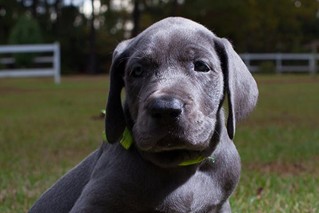
Congenital hypothyroidism in dogs is a condition present from birth where the thyroid gland fails to produce sufficient thyroid hormones. These congenital abnormalities manifest in puppies, often leading to various developmental issues. This condition is often confused with Down syndrome, but it’s important to note that dogs cannot actually have Down syndrome as it’s a human condition involving chromosome 21.
The condition affects your dog’s physical development and cognitive function. Puppies born with congenital hypothyroidism may show signs within the first few months of life, with symptoms becoming more noticeable as they age.
You might notice your dog has disproportionate dwarfism, where growth appears stunted, particularly in their limbs and spine. This gives them an unusual body shape compared to other dogs of the same breed.
Some affected dogs develop an enlarged tongue that may protrude from their mouth. This physical trait is particularly similar to what’s seen in humans with Down syndrome, contributing to the misconception.
The facial appearance of dogs with congenital hypothyroidism can be distinctive. You may observe what’s often described as a “tragic expression” due to water retention in facial tissues creating excess folds and puffiness.
In some cases, your dog might develop a visible goiter—an enlargement of the thyroid gland in the neck area. This physical symptom directly relates to the gland’s dysfunction.
Mental dullness or delayed cognitive development is common. Your dog may be slower to learn commands, seem less responsive, or appear generally less alert than other dogs their age.
Treatment typically involves thyroid hormone replacement therapy, which needs to be monitored by your veterinarian throughout your dog’s life.
3. Congenital Heart Disease
Source: TodayVeterinaryPractice
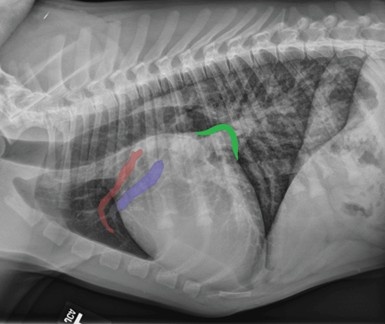
There have been various studies of congenital heart disease in dogs refers to heart defects present at birth, not a form of canine Down syndrome. While dogs cannot have Down’s syndrome due to fundamental chromosomal differences, they can have conditions that present similar symptoms. These abnormalities develop during fetal growth and can severely impact your dog’s quality of life. Many pet owners mistake these cardiac issues for a Down syndrome-like condition because of similar physical and behavioral symptoms.
Your dog with a congenital heart defect may show several telling signs. Coughing is common, especially after exercise, as fluid builds up in the lungs. You might notice your pet struggling to breathe normally or panting excessively even during mild activity.
Exercise intolerance becomes particularly evident in affected dogs. Your furry companion may refuse walks or play sessions that they previously enjoyed. They might lie down frequently during activity or seem unusually tired after minimal exertion.
Fainting episodes can occur in severe cases. These collapse incidents typically happen after physical activity or following intense coughing fits when the heart cannot pump sufficient blood to the brain.
Puppies with heart defects often show stunted growth. You may observe that your dog remains smaller than others of the same breed and age despite proper nutrition.
The connection between congenital heart disease and Down syndrome-like appearances stems from the fact that both conditions can cause developmental issues. In humans, Down syndrome patients frequently have heart defects (40-50% of cases), creating a similar pattern of symptoms that people sometimes project onto their pets.
4. Portosystemic Shunt
Source: FitzPatrickReferrals
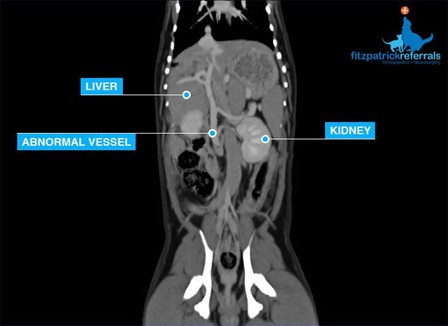
A portosystemic shunt (PSS) is a condition in dogs that’s sometimes mistakenly identified as “Down syndrome.” This condition involves an abnormal connection between the portal vascular system and systemic circulation, causing blood to bypass the liver. While humans with Down syndrome have an extra copy of chromosome 21, dogs cannot technically have Down syndrome. However, certain genetic or congenital disorders can mimic symptoms associated with Down syndrome, leading to misconceptions about the presence of ‘syndrome in dogs.’
When this happens, the liver cannot properly filter toxins from the blood. These toxins then accumulate in the bloodstream and can affect the brain and other organs.
You might notice your dog has stunted growth compared to littermates of the same age. Their muscle development may appear poor, giving them a smaller or more fragile appearance than expected for their breed.
Common Behavioral Signs:
- Disorientation or staring into space
- Depression and lethargy
- Confusion or apparent “brain fog”
- Head pressing against walls or furniture
Neurological symptoms are particularly concerning. Your dog may circle repeatedly, stumble while walking, or show poor coordination. Some dogs experience seizures due to toxin buildup affecting their brain function.
In severe cases, temporary blindness can occur. This cortical blindness is related to how the toxins affect the brain’s visual processing centers.
The symptoms of PSS often mimic neurological or developmental disorders, which is why some pet owners mistakenly believe their dog has Down syndrome. However, unlike Down syndrome (which cannot occur in dogs), PSS is treatable with proper veterinary care through medication or surgical intervention.
5. Chromosomal Abnormalities
Source: CanineCampus
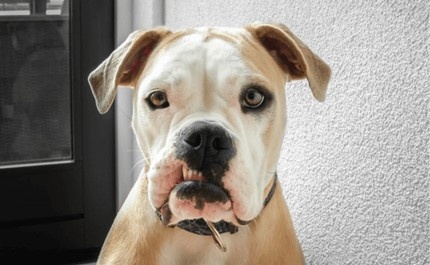
While humans with Down syndrome have an extra copy of chromosome 21, dogs cannot technically have Down syndrome. Dogs have a different number of chromosomes than humans (78 compared to 46), making this specific condition impossible in canines.
Dogs can, however, experience other chromosomal abnormalities that may present with similar symptoms. These genetic variations can affect your dog’s development and physical characteristics in ways that might remind you of Down syndrome.
Genetic disorders in dogs can cause a range of symptoms and characteristics, including cognitive impairments, distinct physical features, and developmental abnormalities. Congenital abnormalities in puppies can manifest as various developmental issues, making it crucial to identify and understand these conditions.
You might notice your dog has a smaller than average face or head compared to others of the same breed. This facial difference is often one of the first signs of a genetic abnormality.
Delayed muscular growth can also occur, causing your dog to develop more slowly than littermates or appear weaker than expected for their age and breed.
Cognitive impairments are common with chromosomal abnormalities. Your dog may have difficulty learning commands, seem less responsive, or show developmental delays compared to typical dogs of the same age.
Vision and hearing problems frequently accompany these genetic conditions. You might observe your dog bumping into objects or failing to respond to sounds that would normally get their attention.
If you suspect your dog has a chromosomal abnormality, veterinary genetic testing can provide insights. A veterinarian can help determine if your dog’s symptoms stem from a specific genetic condition.
Remember that dogs with chromosomal abnormalities can still live happy lives with proper care tailored to their specific needs. Early diagnosis helps you provide appropriate support for your dog’s unique challenges.
Ways Dog Owners Can Care For Their Dogs With Genetical Disorders
Dogs with genetic disorders need extra attention and specialized care. Certain dog breeds are more susceptible to specific health conditions, such as Down’s-like symptoms and diabetes. As an owner, your awareness and dedication can significantly improve your pet’s quality of life.
Tailored Nutrition plays a crucial role in managing genetic conditions. Your dog may require specific nutrients or diet modifications based on their particular disorder. Consult with your veterinarian to develop a feeding plan that addresses your dog’s unique needs.
Physical Therapy and Exercise should be adapted to your dog’s capabilities. Regular, gentle movement helps maintain muscle tone and joint flexibility. Remember that what works for typical dogs might be too strenuous for your special needs companion.
Creating a Safe Home Environment is essential. Remove potential hazards and arrange furniture to accommodate mobility issues. Your dog should have easy access to food, water, and comfortable resting areas.
Mental Stimulation keeps your dog engaged despite physical limitations. Interactive toys and puzzles designed for their ability level can help develop cognitive skills and prevent boredom.
Regular Veterinary Check-ups are non-negotiable. Your vet can monitor your dog’s condition and adjust care recommendations as needed.
Be patient and consistent with Training Methods that work for your dog’s specific challenges. You might need to try different approaches until you find what resonates with them.
Most importantly, provide abundant Love and Emotional Support. Your dog responds to your energy and affection, which contributes significantly to their overall wellbeing.
Providing Emotional Support and Routine Care
Providing emotional support and routine care is crucial for dogs with genetic disorders or other health issues. Dogs with cognitive impairments or physical disabilities may require special care and attention, including mental stimulation, physical therapy, and adjustments to their living environment. Regular veterinary check-ups, monitoring for signs of illness or worsening symptoms, and adjusting care and treatment plans as needed are also essential for managing health issues in dogs. By providing emotional support and routine care, you can help improve your dog’s quality of life and reduce stress and anxiety.
Treatment And Advice: Always Consult A Vet
If you notice your dog exhibiting symptoms that seem unusual, consulting a veterinarian should be your first step. While dogs don’t have Down syndrome specifically, they can have genetic conditions with similar presentations that require professional diagnosis. Down syndrome occurs due to the presence of an extra copy of chromosome 21, which is a genetic condition that cannot occur in dogs.
Your veterinarian is the only qualified person to determine what’s actually affecting your dog. They can conduct appropriate tests to identify the specific condition and recommend the best course of action.
Treatment options vary widely depending on the diagnosis. Some congenital issues may be managed with medication, while others might require surgery or specialized care plans. Your vet will create a tailored approach for your dog’s unique situation.
Regular veterinary checkups become especially important when caring for a dog with special needs. These visits allow for monitoring of your pet’s condition and adjustments to treatment as needed.
Ask your vet about specific nutritional requirements that might benefit your dog. Special diets can sometimes help manage symptoms or improve quality of life for dogs with certain conditions.
You should also discuss potential environmental modifications with your veterinarian. Simple changes at home can sometimes make a significant difference in your dog’s comfort and mobility.
Remember that early intervention often leads to better outcomes. Don’t delay seeking professional veterinary advice if you notice concerning symptoms in your pet.
Conclusion
Dogs cannot have Down syndrome as we understand it in humans. While dogs cannot have Down’s syndrome, they can have conditions that present similar symptoms. The genetic basis of Down syndrome—trisomy of chromosome 21—doesn’t occur in the same way in dogs because they have 39 chromosome pairs compared to humans’ 23 pairs.
What might appear as Down syndrome-like symptoms in dogs are actually other genetic or developmental conditions. These may include hypothyroidism, pituitary dwarfism, or congenital heart problems.
If your dog shows unusual physical traits or developmental delays, it’s important to get a proper veterinary diagnosis. A vet can identify the specific condition affecting your dog and recommend appropriate treatment options.
Many conditions that mimic Down syndrome symptoms can be managed with proper care. This might include medication, physical therapy, or dietary adjustments tailored to your dog’s specific needs.
Remember that dogs with special needs can still lead happy, fulfilling lives with the right support. Your patience and understanding will make a significant difference in their quality of life.
Always consult with a veterinarian if you notice unusual symptoms in your pet. Early intervention often leads to better outcomes and can help you provide the best possible care for your special needs dog.