



Down Syndrome Cat: Is it Possible For Cats to Have Them?
Table of Contents
Down Syndrome Cat: Understanding Whether It Is Possible For Cats To Be Down Syndrome
Despite images circulating on the internet of cats with unusual facial features labeled as “Down syndrome cats,” it’s important to clarify that cats cannot have Down syndrome. Many people wonder if cats have Down syndrome, but this condition is genetically impossible for felines.
Down syndrome in humans occurs due to an extra copy of chromosome 21. Cats have a completely different genetic structure with only 19 pairs of chromosomes compared to humans’ 23 pairs. Since cats don’t have a chromosome 21, they physically cannot develop Down syndrome as humans do.
You might wonder why some cats appear to have features similar to Down syndrome. These cats may have genetic mutations, developmental disorders, or other medical conditions that affect their appearance and behavior.
Common conditions that might be mistaken for “Down syndrome” in cats include:
- Cerebellar hypoplasia – affects balance and coordination
- Hydrocephalus – fluid buildup in the brain
- Facial deformities – from genetic mutations or injuries
- Klinefelter syndrome – a chromosomal condition affecting male cats
While these cats may need special care and attention, their conditions are distinctly different from human Down syndrome. Understanding the correct diagnosis helps you provide the appropriate care your special cat might need.
If your cat displays unusual physical features or behaviors, consulting with a veterinarian is crucial for proper diagnosis and treatment plans.
What is Down Syndrome in Cats?
The term “Down syndrome in cats” is often used to describe felines that exhibit physical and behavioral abnormalities reminiscent of Down syndrome in humans. However, it’s crucial to understand that cats cannot have Down syndrome in the classical sense. Down syndrome is a genetic disorder caused by an extra copy of chromosome 21 in humans, a chromosome that cats do not possess. Instead, what you might be observing are symptoms resulting from various genetic disorders, congenital conditions, or acquired diseases.
Cats with these conditions may display similar symptoms to Down syndrome, such as unusual facial features, developmental delays, and behavioral abnormalities. These similarities can lead to confusion, but the underlying causes are entirely different. Recognizing this distinction is essential for providing the appropriate care and attention your cat needs.
Why Cats Cannot Have Down Syndrome?
Down syndrome in humans occurs when there’s an extra copy of chromosome 21, leading to developmental and intellectual challenges. Cats, however, simply cannot have Down syndrome due to their different genetic makeup.
The most fundamental reason is chromosomal structure. Humans have 23 pairs of chromosomes, while cats only have 19 pairs. Since cats don’t have a chromosome 21, they cannot develop the specific trisomy (extra chromosome) that causes Down syndrome.
This chromosomal difference means that even if your cat displays behaviors or physical traits that seem similar to Down syndrome, the underlying cause must be something else entirely.
These genetic differences mean that while cats cannot have Down syndrome, they can still be affected by other genetic disorders and birth defects that may cause similar physical and behavioral traits.
Your cat might show developmental delays, unusual facial features, or cognitive differences that appear similar to Down syndrome symptoms. These could be caused by other genetic mutations, congenital abnormalities, or medical conditions specific to felines.
While cats can experience genetic disorders and chromosomal abnormalities, these would be unique to their species and genetic structure. They might have extra chromosomes in their genetic makeup, but these would cause cat-specific conditions, not Down syndrome.
Understanding these biological differences helps you better recognize when your cat might need veterinary attention for symptoms that could indicate other genetic or developmental issues requiring proper diagnosis and care.
General Misconceptions: Disorders In Cats That Are Misinterpreted As Down Syndrome Like Symptoms
Many cat owners mistakenly believe their pets can have Down syndrome, but this is impossible because Down syndrome is specifically a human condition caused by having three copies of chromosome 21—cats don’t even have chromosome 21. What you’re actually seeing in cats with unusual features are various genetic or developmental conditions that present similar physical or behavioral traits, often referred to as down syndrome-like symptoms.
Cerebellar hypoplasia, a neurological condition affecting balance and coordination, is commonly misidentified as Down syndrome. Cats with this condition may have jerky movements and appear clumsy, but their intelligence remains intact.
Hydrocephalus (fluid on the brain) can cause distinctive facial features and behavioral oddities in cats that people sometimes mistake for Down syndrome. The condition leads to an enlarged head and potential developmental delays.
Common conditions mistaken for “feline Down syndrome”:
- Cerebellar hypoplasia
- Hydrocephalus
- Feline panleukopenia virus exposure during development
- Congenital hypothyroidism
- Physical trauma during development
Certain cat breeds naturally have physical traits that can be misinterpreted as abnormalities. For example, Persian and Himalayan cats have naturally flat faces and sometimes watery eyes, while Scottish Folds have distinctive ear shapes.
When you notice unusual behaviors or physical features in your cat, it’s important to consult a veterinarian for proper diagnosis rather than assuming it’s a human-equivalent condition.
1. Cerebellar Hypoplasia

Source: Catniptimes
Cerebellar hypoplasia is a neurological condition in cats that is often mistakenly referred to as “Down syndrome.” Unlike humans, cats cannot have Down syndrome as it’s a chromosomal condition specific to humans. What these cats actually have is an underdeveloped cerebellum, the part of the brain responsible for coordination and fine motor skills.
When you see a wobbly, uncoordinated cat, you’re likely witnessing the effects of cerebellar hypoplasia. These cats typically display awkward movements and balance issues. They may walk with their legs widely placed to prevent falling and place their feet clumsily.
Cerebellar hypoplasia is present from birth, and any trauma or infection at a very young age can exacerbate the symptoms.
Causes:
- Infection of pregnant mother cat with feline panleukopenia virus (FPV)
- Viral transmission to unborn kittens during development
- Interrupted brain development in utero
Common Symptoms:
- Uncoordinated movements (ataxia)
- Head tremors
- Balance problems
- Wide-legged stance
- Clumsiness when walking or jumping
Despite their physical challenges, cats with cerebellar hypoplasia have normal intelligence and lifespans. The condition is non-progressive, meaning it won’t get worse over time. Your wobbly kitty can adapt remarkably well to their condition, developing compensatory techniques to navigate their environment.
Remember that cerebellar hypoplasia is present from birth, not acquired later in life. If you notice sudden onset of these symptoms in an adult cat, you should consult a veterinarian as it may indicate a different neurological issue.
2. Hydrocephalus
Source: Catster
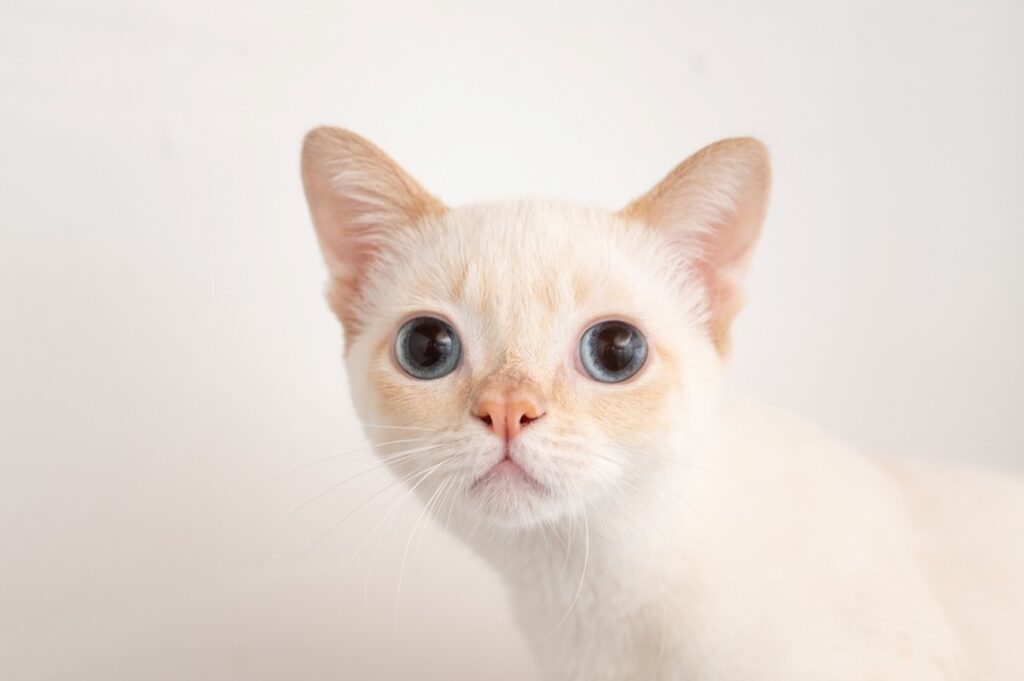
Hydrocephalus, commonly referred to as “water on the brain,” occurs when there is an excessive accumulation of cerebrospinal fluid (CSF) within the brain. This condition is often mistaken for Down syndrome in cats due to the similar physical and neurological symptoms it can cause. Hydrocephalus can cause physical and neurological symptoms that resemble Down syndrome-like symptoms, leading to confusion.
When you see a cat with an unusually large or dome-shaped head alongside developmental delays, what you’re likely observing is hydrocephalus rather than Down syndrome. Unlike humans, cats cannot develop Down syndrome because they have a different chromosomal structure.
The primary causes of hydrocephalus in your cat may include:
- Congenital defects (present at birth)
- Blockage of CSF drainage pathways
- Overproduction of cerebrospinal fluid
- Reduced cranial capacity affecting cerebral compliance
Symptoms you might notice in a cat with hydrocephalus include:
- Enlarged or dome-shaped head
- Wide-set eyes or downward-facing eyes
- Difficulty walking or coordinating movements
- Behavioral changes including lethargy or restlessness
- Seizures or tremors
- Cognitive impairment
Hydrocephalus can be diagnosed through imaging techniques such as CT scans or MRIs. The severity ranges from mild cases with minimal symptoms to severe cases requiring immediate medical intervention.
Treatment options depend on the severity and may include medications to reduce CSF production or surgical placement of shunts to drain excess fluid. Your veterinarian can help determine the best course of action for your cat’s specific situation.
3. Klinefelter Syndrome
Source: Trupaniob
Klinefelter Syndrome is a genetic condition that affects males, including male cats, who have an extra X chromosome. While this condition is sometimes mistakenly identified as Down Syndrome in cats, they are entirely different conditions.
Unlike humans, cats cannot have Down Syndrome because they don’t have chromosome 21. Cats have only 19 pairs of chromosomes compared to humans’ 23 pairs, making it genetically impossible for them to develop Down Syndrome.
In cats with Klinefelter Syndrome (XXY), you might notice physical abnormalities such as unusual body proportions, underdeveloped genitalia, and sterility. These cats often have developmental delays and may display behavioral differences compared to other cats.
Male cats with Klinefelter Syndrome may exhibit traits typically associated with female cats, such as specific coloration patterns.
The cause of Klinefelter Syndrome is purely genetic – an error that occurs during cell division when the sex chromosomes are being distributed. Instead of receiving one X chromosome, affected male cats receive two X chromosomes along with their Y chromosome.
You may notice that cats with this condition often have reduced muscle tone and can appear more docile than typical male cats. They might face challenges with coordination and balance, making them seem clumsier than their feline counterparts.
Diagnosis typically requires genetic testing, as the physical symptoms alone aren’t always conclusive. If you suspect your cat has a genetic condition, consulting with a veterinary specialist is your best course of action.
4. Congenital Facial and Neurological Disorders

Source: Hillspet
Cats can be born with various congenital disorders that affect their facial features and neurological function, which some people mistakenly label as “feline Down syndrome.” These conditions are present at birth and can result from different causes than the chromosomal anomaly responsible for Down syndrome in humans.
When you see a cat with unusual facial features like widely-spaced eyes, a flat or broad nose bridge, or low-set ears, you’re likely observing congenital malformations. These distinctive features, combined with symptoms like poor coordination, developmental delays, or unusual behaviors, often lead pet owners to draw parallels with Down syndrome. These congenital disorders can result in physical and behavioral traits that are often mistaken for Down syndrome.
Common causes of congenital disorders in cats include:
- Exposure to toxins during pregnancy
- Genetic mutations (unrelated to chromosomal trisomy)
- Infections during fetal development
- Nutritional deficiencies in the mother cat
Symptoms you might observe in affected cats:
- Unusual facial structure
- Poor muscle tone or coordination
- Developmental delays
- Vision or hearing impairments
- Learning difficulties
These conditions require special care and understanding. While cats with congenital disorders may face challenges, they aren’t suffering from Down syndrome. The similarities are superficial, as the underlying mechanisms are completely different.
Your veterinarian can help diagnose specific conditions and recommend appropriate care for a cat with congenital facial or neurological abnormalities. With proper medical attention and a loving environment, many cats with these disorders can lead happy, fulfilling lives.
5. Infections During Pregnancy
Source: PDSA
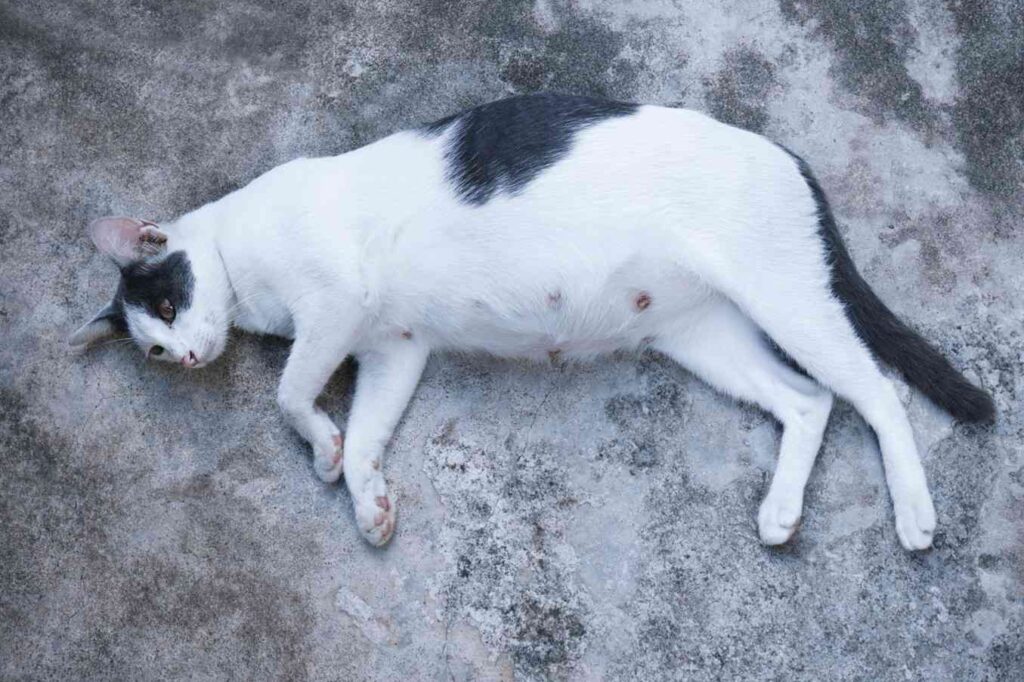
Infections that occur during a cat’s pregnancy can affect kittens in ways that may resemble Down syndrome symptoms. Unlike humans, cats don’t actually develop Down syndrome, but certain infections can cause neurological and physical abnormalities that appear similar. Infections during pregnancy can lead to Down syndrome-like symptoms in cats, causing physical and neurological abnormalities.
TORCH infections are particularly concerning for pregnant cats. TORCH stands for Toxoplasmosis, Other infections (like herpes), Rubella, Cytomegalovirus, and Hepatitis, though the specific pathogens vary slightly in cats.
Toxoplasmosis is one of the most common infections that can impact feline pregnancy. You may notice your cat’s kittens develop symptoms like unusual facial features, coordination problems, or intellectual disabilities that mimic genetic disorders.
When your pregnant cat contracts an infection, the developing kittens may experience stunted growth, neurological damage, and physical malformations. These symptoms can be mistakenly attributed to a chromosomal condition like Down syndrome.
Common symptoms in affected kittens include:
- Physical traits: Wide-set eyes, flat face, low muscle tone
- Behavioral signs: Poor coordination, slower learning, unusual vocalizations
- Neurological issues: Seizures, balance problems, vision impairments
Your veterinarian can help determine whether your cat’s unusual symptoms stem from an infection during pregnancy rather than a genetic condition. Early diagnosis is crucial for proper treatment and management.
To protect your pregnant cat, ensure she receives regular veterinary care, maintains a clean environment, and avoids exposure to potentially infected cats or contaminated food.
Physical and Behavioral Abnormalities in Cats
Cats with physical and behavioral abnormalities can exhibit a wide range of symptoms that might be mistaken for Down syndrome. These symptoms can include:
- Flat or Upturned Nose: Some cats may have a nose that appears flatter or more upturned than usual.
- Oddly Shaped Ears: Ears that are unusually shaped or positioned can be a sign of congenital issues.
- Short Stature: A smaller than average size or disproportionate body structure.
- Unusual Facial Structure: Features such as wide-set eyes or a broad nose bridge.
- Behavioral Changes: Increased anxiety, difficulty with learning, or unusual behaviors.
- Delayed Development: Slower physical or cognitive development compared to other cats.
- Neurological Problems: Symptoms like seizures, tremors, or poor coordination.
These abnormalities can stem from various causes, including genetic disorders, congenital conditions, infections, or acquired diseases. It’s essential to consult with a veterinarian to determine the underlying cause of these symptoms and to develop an appropriate care plan. Proper diagnosis and treatment can significantly improve the quality of life for cats with these conditions.
Practical Methods Cat Owners Can Use To Care For Cats With Physical and Behavioral Abnormalities
Cats with neurological or developmental disorders require special attention and care. With thoughtful accommodations, you can help your special needs cat live a comfortable, fulfilling life.
Create a Safe Environment Remove potential hazards from your cat’s living space. Block access to high ledges where they might fall, and consider using baby gates to restrict access to stairs. Keep cords, small objects, and toxic plants out of reach.
Provide Non-Slip Surfaces Cats with mobility issues benefit from textured surfaces that offer better grip. Place yoga mats or rubber-backed rugs in areas your cat frequents. This prevents slipping and gives your cat confidence while moving around.
Supportive Feeding Solutions
- Elevated food dishes to reduce neck strain
- Wide, shallow bowls for easier access
- Non-slip mats under food and water dishes
- Multiple feeding stations if mobility is limited
Litter Box Modifications Choose boxes with low entries for easier access. Place multiple litter boxes throughout your home so your cat doesn’t need to travel far. Some cats may benefit from larger boxes with higher sides to prevent messes while maintaining easy entry points.
Encourage Gentle Exercise Regular, moderate activity helps maintain muscle tone and joint health. Use interactive toys that don’t require jumping or quick movements. Feather wands and treat puzzles can provide mental stimulation while accommodating physical limitations.
Remember to maintain a consistent routine, as cats with disorders often thrive with predictability. Regular veterinary checkups are essential to monitor your cat’s condition and adjust care as needed.
Special Needs Cats
Caring for cats with physical and behavioral abnormalities requires extra attention and dedication. These special needs cats can thrive with the right support and environment. Here are some practical tips for providing the best care:
- Regular Veterinary Check-Ups: Frequent visits to the vet are crucial to monitor your cat’s condition and adjust their care plan as needed.
- Balanced Diet and Exercise: Ensure your cat receives a nutritious diet and regular exercise to maintain their physical health.
- Mental Stimulation: Engage your cat with interactive toys and positive reinforcement training to support their behavioral health.
- Safe and Nurturing Environment: Create a home environment that accommodates your cat’s unique needs. This might include non-slip surfaces, accessible litter boxes, and safe spaces for rest.
- Extra Support and Care: Be prepared to assist your cat with basic functions or navigating their surroundings. This might involve helping them eat, drink, or move around safely.
By providing special care and attention, you can help your cat with physical and behavioral abnormalities lead a happy, healthy life. Your commitment and understanding are key to their well-being, ensuring they receive the love and support they need to thrive.
Ultimate Advice: Always Consult A Vet
If your cat displays any symptoms that seem unusual or concerning, don’t hesitate to contact your veterinarian. Professional medical evaluation is essential for accurate diagnosis and proper treatment of any condition your cat may have.
Regular veterinary check-ups are crucial for cats showing developmental differences or neurological symptoms. Vets can provide specialized care plans and monitoring to ensure your cat maintains the best possible quality of life.
Remember that many symptoms that might appear similar to human conditions have completely different causes in cats. Only a qualified veterinarian can determine whether your cat’s symptoms stem from genetic conditions, infections, injuries, or other health issues.
Your veterinarian can recommend appropriate accommodations for cats with special needs. This might include dietary adjustments, environmental modifications, or specific handling techniques to support your cat’s unique requirements.
Take note: Even minor changes in behavior or physical appearance can indicate significant health concerns in cats. You should document any unusual symptoms to share with your vet, including:
- Changes in mobility or coordination
- Unusual facial features
- Behavioral shifts
- Vision or hearing problems
- Changes in eating or elimination habits
With proper veterinary guidance, cats with special needs can live happy, comfortable lives. Your commitment to professional care makes all the difference in your feline companion’s wellbeing.
Conclusion
Cats cannot have Down syndrome as it’s a uniquely human condition involving an extra copy of chromosome 21. What many people mistake for “Down syndrome” in cats are actually other genetic conditions or health issues with similar physical or behavioral manifestations.
When you notice unusual physical features or behaviors in your cat, don’t immediately assume it’s a Down syndrome-like condition. These symptoms could indicate other serious health issues that require proper medical attention.
Always consult your veterinarian if your cat displays unusual physical traits or behaviors. A professional diagnosis will ensure your feline friend receives appropriate care for their specific condition.
Remember that cats with genetic abnormalities or health challenges can still live happy, fulfilling lives with proper care. Your understanding and patience are crucial to providing the supportive environment these special cats need.

Position: Committee Member, Chinese Veterinary Medical Association (Small Animal Ophthalmology)
Managing Director, STARLiGHT Veterinary Medical Centre
A graduate of the National Taiwan University College of Veterinary Medicine, Dr. Anya Chiu specializes in veterinary ophthalmology, animal welfare, and medical communication. She is deeply committed to advancing specialist veterinary education and international collaboration across Asia.