
-

10 Essential Tips for Your Pet’s Overall Wellness
November 1, 2024



Pet surgery services are essential for maintaining the health and well-being of our beloved animal companions.
These surgical procedures encompass a wide range of procedures, from routine preventive measures like spaying and neutering to complex emergency interventions and veterinary medicine.
Veterinary surgeons perform operations to address various conditions, including removing tumors, repairing fractures, correcting orthopedic issues such as ACL tears, extracting damaged teeth, and treating internal organ problems.

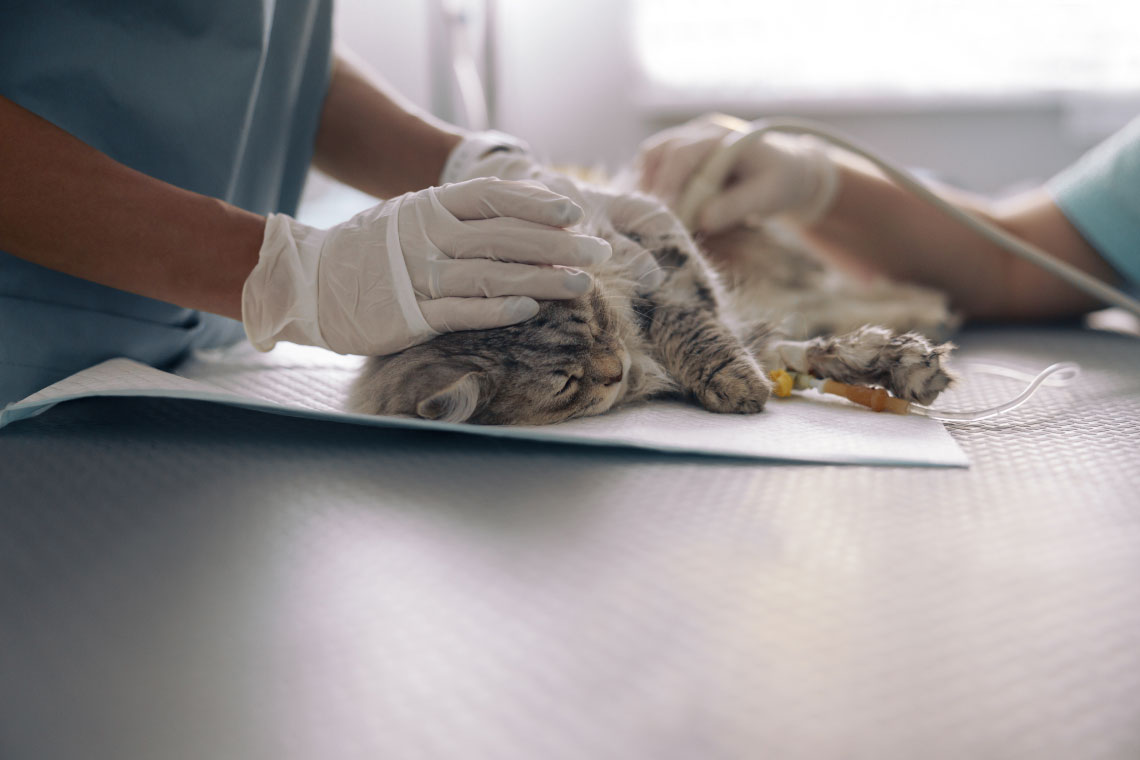
Soft tissue surgery is a vital aspect of veterinary care that addresses a wide range of pet health issues, from routine procedures to life-saving interventions. This surgery is commonly used for spaying and neutering, excising tumors or skin growths, repairing bladder stones, correcting breathing issues in brachycephalic breeds, and treating urogenital conditions and ensure proper healing.
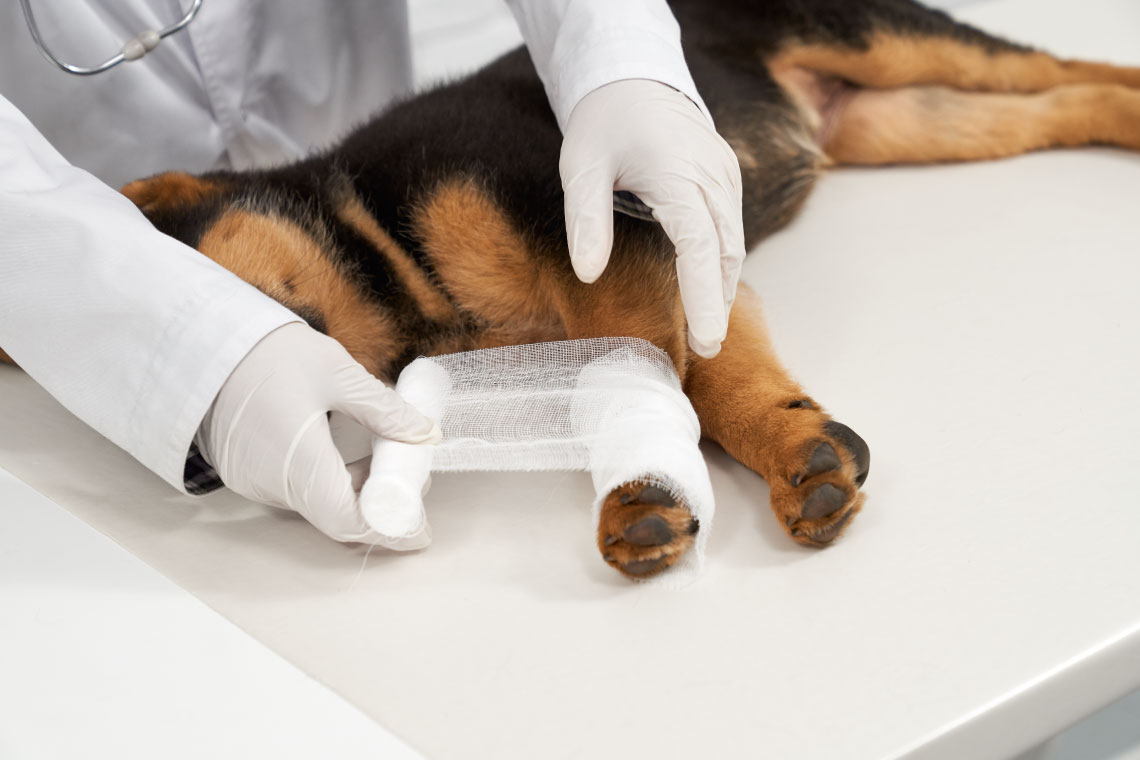
Pet orthopedic surgery is a vital veterinary service for our animal hospital that addresses a wide range of musculoskeletal issues in dogs and cats. These procedures are used to treat conditions such as cruciate ligament tears, hip and elbow dysplasia, patellar luxation, bone fractures, and spinal disorders.

Pet spaying and neutering are essential surgical procedures that offer numerous benefits for both pets and their owners. These procedures prevent unwanted pregnancies and prevent uterine infections for females. More than that, these surgeries can improve pet behavior by reducing roaming tendencies, aggression, and marking behaviors.
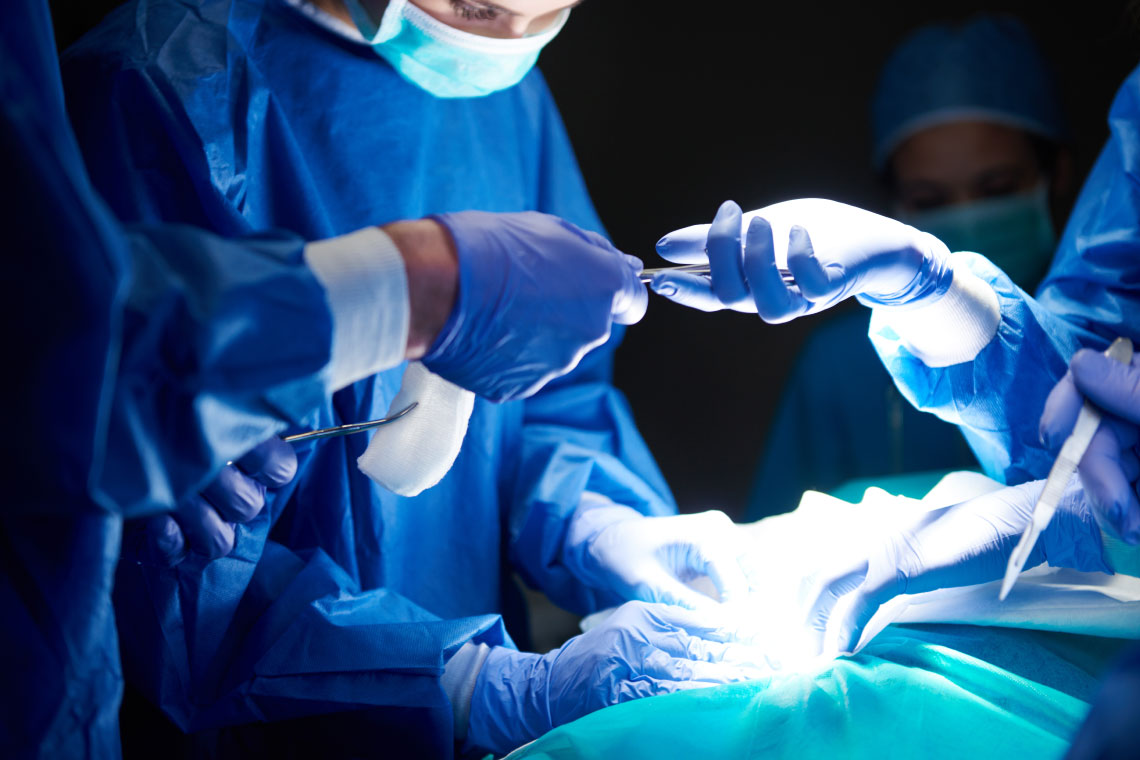
Pet emergency surgery is a critical, life-saving procedure for pets facing severe health crises. Performed by skilled veterinary surgeons, emergency procedures often involve advanced techniques to stabilize and treat injuries or illnesses promptly, ensuring the best possible outcome for our customers’ beloved pets.
Pet soft tissue surgery involves procedures on internal organs, skin, or other soft tissues to treat conditions like tumors, hernias, or injuries. Most surgeries are recommended for issues that cannot be resolved with medication alone, such as mass removals or gastrointestinal blockages.
Orthopedic surgery addresses musculoskeletal issues like fractures, ligament tears, or joint problems. It aims to restore your pet’s mobility and improve their quality of life by correcting bone, muscle, or joint abnormalities.
Most pets can be spayed or neutered around 6 months of age, though this may vary based on breed and size. Consult your veterinarian to determine the best time for your pet.
Spaying or neutering prevents unwanted litters and reduces the risk of certain health problems, such as reproductive cancers and infections. It also helps control overpopulation and improves your pet’s overall well-being.
If your pet experiences trauma, difficulty breathing, or severe symptoms like internal bleeding, contact an emergency veterinary clinic immediately. Emergency surgery can save your pet’s life in critical situations.
Your vet will provide specific instructions, but common physical exam preparations include fasting your pet for several hours before surgery and ensuring they are clean and healthy. Always follow pre-surgery guidelines carefully.
Pets are given anesthesia during surgery to ensure they feel no pain. Post-surgery, veterinarians provide pain management plans, including medications, to keep your pet comfortable during recovery.
Recovery varies by procedure but typically involves rest, limited activity, and follow-up care. Our vet will provide detailed post-operative instructions for pet owners to help their pet heal safely and quickly.
