




Why Is My Pet Not Eating? Common Causes in Cats and Dogs
It’s worrying when your pet suddenly refuses food, especially if they’re usually excited at mealtimes. A missed meal can happen for simple reasons (like stress or a change in routine), but loss of appetite can also be an early sign that something isn’t right.
Cats and dogs can stop eating for many different reasons. Some causes are temporary and resolve on their own, while others may indicate a health problem that needs veterinary attention. The key is to look at the full picture: how long it’s been since they last ate, whether they’re drinking water, and whether there are other symptoms such as vomiting, diarrhoea, lethargy, pain, or breathing changes.
Understanding the possible reasons behind appetite loss can help you decide whether to monitor your pet at home or seek veterinary advice.
Common Reasons Cats and Dogs Stop Eating
1. Stress or Changes at Home
Pets can be very sensitive to changes in their environment. A sudden shift in routine or surroundings can cause temporary appetite loss.
Common stress triggers include:
- Moving to a new home
- Boarding at a kennel or cattery
- Loud noises (construction, fireworks, thunderstorms)
- A new pet or family member
- Visitors staying in the house
- Changes in feeding schedules
Cats, in particular, tend to be routine-oriented and may skip meals if their environment feels unfamiliar or stressful. In many cases, appetite returns once they feel safe and settled again.
2. Food-Related Issues
Sometimes the problem is simply related to the food itself.
Pets may stop eating if:
- The food brand or flavour has changed
- The food has gone stale
- The texture is different from what they’re used to
- The diet was switched too quickly
- They are receiving too many treats or table scraps
Sudden diet changes can also cause stomach upset, making pets reluctant to eat. If you need to change your pet’s food, it’s best to transition gradually over several days by mixing the new food with their current diet.
3. Dental or Mouth Pain
Dental issues are a very common cause of appetite loss in both cats and dogs. If chewing causes discomfort, pets may show interest in food but avoid actually eating it.
Signs of dental pain may include:
- Sniffing food but walking away
- Chewing on one side of the mouth
- Dropping food while eating
- Pawing at the mouth
- Preferring soft food over dry kibble
- Bad breath
Dental disease can worsen over time, so a veterinary dental examination may be needed to identify issues such as gum disease, infected teeth, or oral injuries.
4. Stomach Upset or Nausea
Mild digestive problems can also reduce appetite. Pets experiencing nausea often appear uninterested in food even if they’re normally eager eaters.
Other signs of stomach upset may include:
- Lip licking or excessive swallowing
- Drooling
- Eating grass
- Vomiting or diarrhoea
- Reduced activity
In many cases, mild digestive issues resolve within a short period. However, persistent vomiting, dehydration, or weakness should always be assessed by a vet.
5. Fever or Infection
Just like people, pets often eat less when they feel unwell. A fever or infection can cause lethargy, discomfort, and reduced appetite.
Possible signs of infection include:
- Lethargy or weakness
- Warm ears or body
- Sneezing or coughing
- Nasal or eye discharge
- Changes in behaviour
These symptoms may indicate respiratory infections, viral illnesses, or other underlying conditions that require veterinary diagnosis and treatment.
6. Pain (Not Always Obvious)
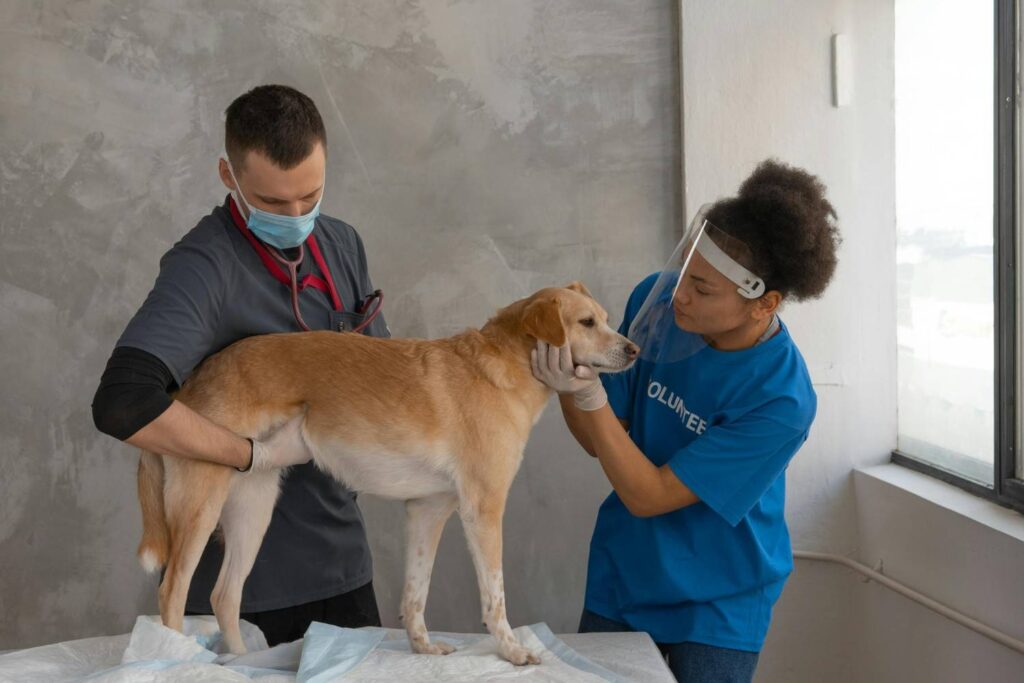
Pain can sometimes be subtle in animals. Unlike humans, pets often hide signs of discomfort, which means appetite loss may be one of the first noticeable symptoms.
Pain-related appetite loss may be linked to:
- Arthritis or joint pain
- Abdominal discomfort
- Injuries or muscle strain
- Internal conditions affecting organs
Pets experiencing pain may become quiet, hide more often, move less, or appear “not themselves”. A veterinary examination can help determine whether pain is contributing to the problem.
7. Digestive Blockages or Foreign Objects
Dogs, in particular, are known for swallowing objects they shouldn’t, but cats can also ingest foreign materials such as string, ribbon, or small toys.
A blockage in the digestive system can be serious and requires immediate veterinary attention.
Warning signs may include:
- Repeated vomiting
- Refusing food
- Excessive drooling
- Abdominal swelling
- Restlessness or discomfort
- Difficulty passing stool
If you suspect your pet has swallowed something unusual, it’s important to seek veterinary care quickly.
Diagnostic imaging, such as pet X-rays or other tests offered through pet diagnostic services, may be needed to confirm whether a blockage is present.
8. Chronic Health Conditions
Sometimes appetite loss is linked to longer-term medical conditions. If your pet repeatedly stops eating or shows gradual appetite changes over time, it may signal an underlying issue that requires medical assessment.
Potential causes may include:
- Kidney disease
- Liver problems
- Hormonal disorders
- Chronic infections
- Gastrointestinal conditions
These conditions often require diagnostic testing and ongoing management, which is why persistent appetite changes should not be ignored.
How Long Is “Too Long” for a Pet Not Eating?
The answer depends on the type of pet, their age, and their overall health.
A simple guideline is:
- If your pet skips one meal but seems otherwise normal: monitor closely and check for other symptoms.
- If your dog hasn’t eaten for 24 hours: it’s a good idea to call a vet, especially if they seem unwell.
- If your cat hasn’t eaten for 24 hours: veterinary advice is recommended sooner rather than later.
Cats, in particular, can develop serious complications if they stop eating for extended periods. Because of this risk, prolonged appetite loss in cats should always be taken seriously.
What You Can Do at Home (Safe, Practical Steps)
If your pet seems otherwise stable, like alert, breathing normally, and not experiencing repeated vomiting or severe diarrhoea, you can try a few gentle approaches at home.
Helpful steps include:
- Offer fresh water and make sure your pet is drinking.
- Warm the food slightly to enhance the smell, which can stimulate appetite (especially for cats).
- Provide small portions instead of a large bowl of food.
- Keep the feeding environment quiet and calm.
- Avoid sudden diet changes.
- Limit treats that may reduce hunger for regular meals.
It’s important not to force-feed your pet unless a veterinarian has specifically recommended it.
Also, avoid giving human medications, as many common drugs can be dangerous or toxic to animals.
When to See a Vet Urgently (Don’t Wait)
Seek veterinary care immediately if your pet is not eating and shows any of the following symptoms:
- Repeated vomiting or inability to keep water down
- Severe diarrhoea or blood in the stool
- Extreme lethargy, collapse, or weakness
- Difficulty breathing
- Signs of pain (crying, panting, hunched posture, swollen abdomen)
- Suspected poisoning or toxin exposure
- Possible ingestion of toys, bones, or foreign objects
- Your cat hasn’t eaten for 24 hours or is hiding and refusing food
If urgent symptoms appear, a 24-hour emergency vet can provide immediate care.
What a Vet Visit Usually Helps With
When a pet stops eating, a veterinary consultation can help identify the cause and prevent the problem from worsening.
A vet may:
- Check hydration levels and body temperature
- Examine the mouth, teeth, and gums
- Feel the abdomen for signs of pain or swelling
- Assess breathing and heart function
- Recommend tests such as pet X-rays or blood work
These steps help determine whether the issue is a mild temporary problem or something that requires treatment.
If you’re in Ampang Jaya and your cat or dog isn’t eating, at Starlight Veterinary Hospital, we can assess what’s going on and guide you on the next best step for your pet’s health.
Frequently Asked Questions
Can teething cause puppies to stop eating?
Yes, puppies can eat less during teething due to gum discomfort. Softening food can help, but if there are other symptoms (vomiting, diarrhoea, lethargy), speak to a vet.
Should I change my pet’s food if they won’t eat?
If the issue is sudden, changing food too quickly can make stomach upset worse. If appetite loss continues, a vet can advise the safest approach.
My cat is not eating but seems normal, should I worry?
Cats can deteriorate faster if they stop eating. If your cat hasn’t eaten for 24 hours or is eating significantly less than usual, it’s worth contacting a vet.
What are the signs of a blockage in dogs?
Repeated vomiting, drooling, bloating, restlessness, pain, and refusing food can be warning signs. If you suspect a blockage, seek urgent care.