



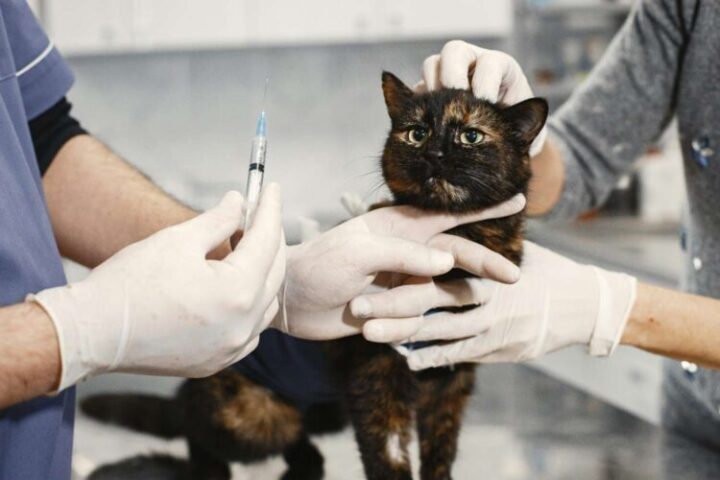
The Importance of Vaccinations for Your Pet
Vaccinations are one of the most effective ways to safeguard your pet’s health. They protect against contagious and potentially fatal diseases by stimulating your pet’s immune system to recognise and fight harmful organisms before they can cause illness. Pet vaccination doesn’t just offer protection, it also helps control the spread of diseases within the community and protects other animals, too.
For responsible pet owners, understanding the importance of timely vaccination is as vital as providing proper nutrition or regular exercise. Yet, many pet owners remain unsure of what vaccines are essential, how often they should be given, and whether boosters are truly necessary. This guide explains the science, schedules, and safety of vaccinations for dogs and cats, and why staying up to date makes a world of difference.
Why Vaccines Are Essential for Pets
In the same way that human vaccines prevent serious illnesses, pet vaccines protect against diseases that are difficult or impossible to treat once contracted. In dogs, vaccines guard against distemper, parvovirus, adenovirus, leptospirosis, and rabies. All of which can cause long-term suffering or death. For cats, essential vaccines protect against feline distemper (panleukopenia), calicivirus, herpesvirus, and rabies.
Even indoor pets benefit. Many of these viruses are airborne or can be carried into your home on shoes, clothing, or other animals. A single exposure can be enough to cause illness in an unvaccinated pet. Vaccination provides a safe and scientifically supported way to reduce the risk of infection.
Core vs. Non-Core Vaccines
Core vaccines are recommended for all pets because they protect against common, highly infectious diseases with severe consequences. For dogs, these are usually distemper, adenovirus, and parvovirus. For cats, they include Feline Panleukopenia (FBV), Feline Calicivirus, and Herpesvirus.
Non-core vaccines are optional and depend on lifestyle, geography, and risk factors. For instance:
- Dogs that swim or walk in wet areas may benefit from a leptospirosis vaccine.
- Cats that spend time outdoors or live in multi-cat households may need feline leukaemia virus (FeLV) vaccination.
- Pets that travel or board frequently may require additional protection against kennel cough (bordetella).
Your veterinarian will evaluate your pet’s environment, habits, and exposure risk to recommend a tailored vaccination plan. This approach ensures that your pet gets only the truly necessary vaccines.
How Vaccinations Work
Vaccines contain harmless forms of pathogens or their components, which “train” the immune system to recognise and fight the real disease if exposed later. When a vaccinated animal encounters the actual virus or bacteria, its immune system responds quickly, preventing illness or reducing its severity.
Some vaccines provide long-lasting protection, while others need periodic boosters to maintain strong immunity. That’s why it’s essential to stick to your veterinarian’s recommended schedule, missing a booster could leave your pet vulnerable to disease again.
Typical Vaccination Schedule
Here’s a general overview of how vaccines are usually scheduled:
Puppies and kittens:
- First vaccination: 6–8 weeks old
- Boosters: every 2–4 weeks until around 16 weeks old
- Rabies: typically given around 3 months old, but in West Malaysia, rabies vaccination is optional for pet owners unless required for travel or boarding.
Adult dogs and cats:
- Booster shots at 12 months after the primary series
- Repeat core vaccines every 1–3 years, depending on the product used
Your vet will issue a vaccination record, or you may also choose to purchase an official “pet passport” that documents which vaccines were given and when the next ones are due. This record is especially useful if your pet travels or stays in boarding facilities.
What to Expect After Vaccination

It’s normal for pets to experience mild side effects such as slight lethargy, reduced appetite or minor swelling at the injection site. These typically resolve within 24–48 hours. However, contact your vet immediately if you notice severe reactions such as vomiting, facial swelling, hives, or breathing difficulties.
Most pets recover quickly and show no lasting effects. Veterinarians monitor vaccine reactions carefully and select high-quality, approved vaccines to minimise risks.
Safety and Effectiveness of Modern Vaccines
Today’s vaccines are extensively tested for safety and efficacy. Veterinary organisations such as the World Small Animal Veterinary Association (WSAVA) regularly update global vaccination guidelines based on scientific evidence.
Vets tailor vaccination schedules based on:
- Age and breed
- Health status (for instance, pregnant or immunocompromised pets)
- Lifestyle (indoor, outdoor, or travelling)
- Local disease prevalence
This individualised approach ensures pets receive optimal protection with minimal unnecessary vaccination.
Vaccination and Public Health
Pet vaccinations, particularly against rabies, also protect humans. Rabies is fatal once symptoms appear and can spread through bites or scratches from infected animals. Malaysia continues to enforce strict rabies control policies, including mandatory vaccination in some regions such as East Malaysia, Sarawak.
When more pets are vaccinated, “herd immunity” reduces the spread of infectious diseases across animal populations, protecting strays, wildlife, and even people.
Annual Health Checks and Boosters
Vaccination appointments aren’t just about injections. They’re opportunities for your vet to perform a thorough health check, update parasite prevention, and detect early signs of illness. As your pet ages, their immune system and lifestyle may change, so your vet can adjust vaccine types or intervals accordingly.
Skipping boosters may not seem serious, but immunity can fade over time. A missed booster could mean restarting the vaccination series, which is costlier and less convenient.
Practical Tips for Pet Owners
- Keep your pet’s vaccination record in a safe place.
- Set reminders for upcoming boosters.
- Schedule vaccinations alongside regular check-ups to make visits more efficient.
- Avoid bathing or strenuous activity for 24 hours after vaccination.
- If travelling or boarding your pet, confirm vaccination requirements in advance.
Your vet can also help align vaccinations with parasite prevention and nutrition plans for complete wellness care.
Choosing the Right Vet for Your Pet’s Vaccines
Select a veterinary clinic with experienced staff, proper licensing, and modern facilities. Look for clinics that follow WSAVA guidelines and use approved vaccine brands. A good clinic will:
- Discuss your pet’s history and risk factors
- Explain the purpose of each vaccine
- Provide clear documentation and aftercare advice
At our Animal Hospital, pets receive personalised care in a safe, supportive environment. The team follows evidence-based vaccine schedules and ensures every pet gets gentle, professional handling.
Conclusion
Vaccinating your pet is one of the most important responsibilities of pet ownership. It protects not just your dog or cat, but the entire community of animals and humans around them. By staying consistent with your vet’s vaccination plan and attending annual health checks, you’re giving your pet the best possible chance at a long, healthy, and happy life.
If your pet is due for a vaccination or you’re unsure of their last booster, contact us to book an appointment today.
Frequently Asked Questions
What are the essential vaccines for dogs and cats in Malaysia?
Dogs: Distemper, parvovirus, and adenovirus.
Cats: Feline Panleukopenia (FBV), Feline Calicivirus, and Herpesvirus.
How often should pets get booster shots?
After the initial series, core vaccines are generally repeated every one to three years, depending on the vaccine type.
Are vaccines safe for older pets?
Yes. Vets tailor doses and schedules to suit senior pets’ health. In most cases, vaccination remains beneficial and safe.
What happens if I miss a booster?
If your pet misses a booster, protection may lapse. Your vet might recommend restarting the primary series to rebuild immunity.
Disclaimer: Information provided here is for general educational purposes. Each pet’s health needs may differ, so always follow your veterinarian’s professional advice.