



Parvo in Dogs: What Are the 8 Early Signs Every Paw Parent Should Watch For?
Parvo in Dogs is one of the most dangerous and highly contagious viral infections affecting puppies and unvaccinated pets. Without early treatment, parvo can rapidly lead to severe dehydration, life-threatening complications, and even death.
At Starlight Veterinary Hospital, we frequently see paw parents mistake early symptoms such as vomiting or loss of appetite as “just an upset stomach.” Unfortunately, waiting too long can significantly worsen the condition and delay potentially life-saving care.
Key Takeaways
- Parvo is highly contagious
- Puppies under 6 months are most at risk
- Bloody diarrhea and vomiting are common symptoms
- Early treatment improves survival rates
- Vaccination is the best prevention
What Is Parvovirus in Dogs?
Parvo in Dogs, also known as canine parvovirus (CPV), is a highly contagious DNA virus that attacks rapidly growing cells in a dog’s body. It primarily affects the digestive tract and immune system but can also damage the heart muscles in very young puppies. Common symptoms include vomiting, bloody diarrhea, lethargy, loss of appetite, and dehydration. Without treatment, parvo can become life-threatening within days.
What This Means
Parvo weakens your dog’s ability to fight infections while severely damaging the intestines. This makes affected dogs vulnerable to dehydration, bacterial infections, and shock.
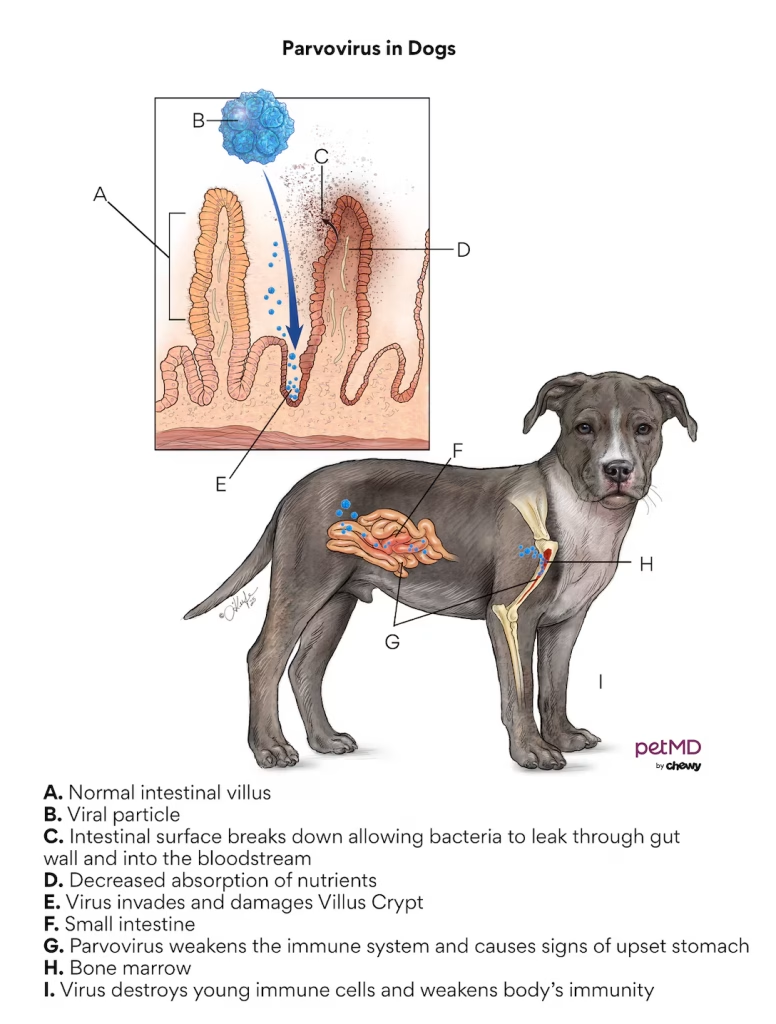
Credit: image from petMD
Why Is Parvovirus So Dangerous?
Parvovirus does not simply cause diarrhea or vomiting.
Parvo in dogs destroys white blood cells and damages the intestinal lining, making it difficult for dogs to absorb nutrients and fluids.
Why This Is Time-Sensitive?
Parvo symptoms can worsen within hours. Puppies have smaller body reserves and can become dangerously dehydrated very quickly.
Early treatment often improves survival chances significantly.
How Do Dogs And Puppies Get Parvo?
Parvovirus spreads through contact with infected feces or contaminated environments.
The dangerous part is: you do not need to see visible stool for infection to happen.
Dogs may become infected through:
- Sniffing contaminated ground
- Shared food and water bowls
- Dog parks
- Kennels
- Shoes, clothing, or human hands
- Contact with infected dogs
The virus can survive in the environment for months under certain conditions.
What This Means
Even indoor puppies may be exposed if contaminated objects are brought home unknowingly.
When Do Parvo Symptoms Usually Appear?
Parvo symptoms commonly appear between 3–7 days after exposure.
Even after recovery, infected dogs may continue shedding the virus in their stool for up to 10 days.
Why This Matters?
Parvo in dogs appear normal during the early stage but may already be contagious.
This increases the risk of spreading infection to other pets.
What Are The Early Symptoms Of Parvo In Dogs?
Parvo symptoms often start mildly before rapidly becoming severe.
Common warning signs include:
| Symptom | Common? | Emergency? |
|---|---|---|
| Vomiting | Yes | Yes |
| Bloody diarrhea | Yes | Yes |
| Lethargy | Yes | Yes |
| Loss of appetite | Yes | Yes |
| Dehydration | Yes | Yes |
| Fever | Sometimes | Yes |
What This Means?
Many paw parents assume vomiting alone is a stomach upset.
When vomiting appears together with lethargy, diarrhea, or refusal to eat, immediate veterinary assessment becomes important.
Can Dogs Survive Parvo?
Yes. Dogs can survive parvo with early treatment and aggressive supportive care.
Without treatment, parvovirus carries a high fatality risk, especially in puppies
Why Timing Matters
Early intervention often means:
- Better hydration support
- Faster stabilization
- Reduced complications
- Higher recovery chances
How Is Parvo Treated At Starlight Veterinary Hospital?
Currently, there is no medication that directly kills canine parvovirus.
Treatment focuses on supportive care while helping the body fight the infection.
At Starlight Veterinary Hospital, treatment for parvo may include:
- ✔ Hospitalization and close monitoring
- ✔ Intravenous (IV) fluid therapy
- ✔ Anti-vomiting medications
- ✔ Electrolyte correction
- ✔ Blood glucose support
- ✔ Nutritional support or feeding tubes if required
- ✔ Additional treatments recommended by our veterinary team
Some patients may also benefit from canine parvovirus monoclonal antibody (CPMA) treatment depending on suitability.
Our Clinical Experience
Parvo in dogs often deteriorate quickly. Early hospitalization allows continuous monitoring and rapid intervention if complications develop.
How Can Paw Parents Prevent Parvo in Dogs?
Early vaccination remains one of the best ways to reduce the risk of Parvo in Dogs. Puppies are especially vulnerable before completing their vaccine schedule, making prevention extremely important during their early months.
Other prevention tips include:
- Complete your puppy’s vaccination schedule on time
- Avoid high-risk areas before vaccination completion
- Disinfect contaminated surfaces properly
- Isolate infected pets from other animals
Recovery Timeline
| Stage | What Happens |
|---|---|
| Day 1-2 | Vomiting, lethargy |
| Day 2-4 | Diarrhea, dehydration |
| Day 3-5 | Highest risk period |
| Day 5-7 | Improvement with treatment |
| Week 2+ | Gradual recovery |
How Starlight Veterinary Hospital Can Help
At Starlight Veterinary Hospital, our veterinary team provides vaccination plans tailored to your pet’s age, lifestyle, and health needs. We help paw parents stay on track with core puppy vaccines and preventive care to reduce the risk of serious illnesses such as parvovirus.
Why This Matters
Missing or delaying vaccinations can leave puppies unprotected during their most vulnerable stage. Early vaccination helps build stronger protection before exposure happens.
Book an appointment with Starlight Veterinary Hospital to keep your pet protected through every stage of life.
Frequently Asked Questions
Yes, although vaccination greatly lowers the risk and severity.
No. Canine parvovirus does not infect humans.
Yes. The virus can be carried indoors through contaminated objects or shoes.
Not always. Some dogs develop vomiting and lethargy first.