



Pet ICU: 5 Critical Signs Your Dog or Cat May Need Life-Saving Intensive Care
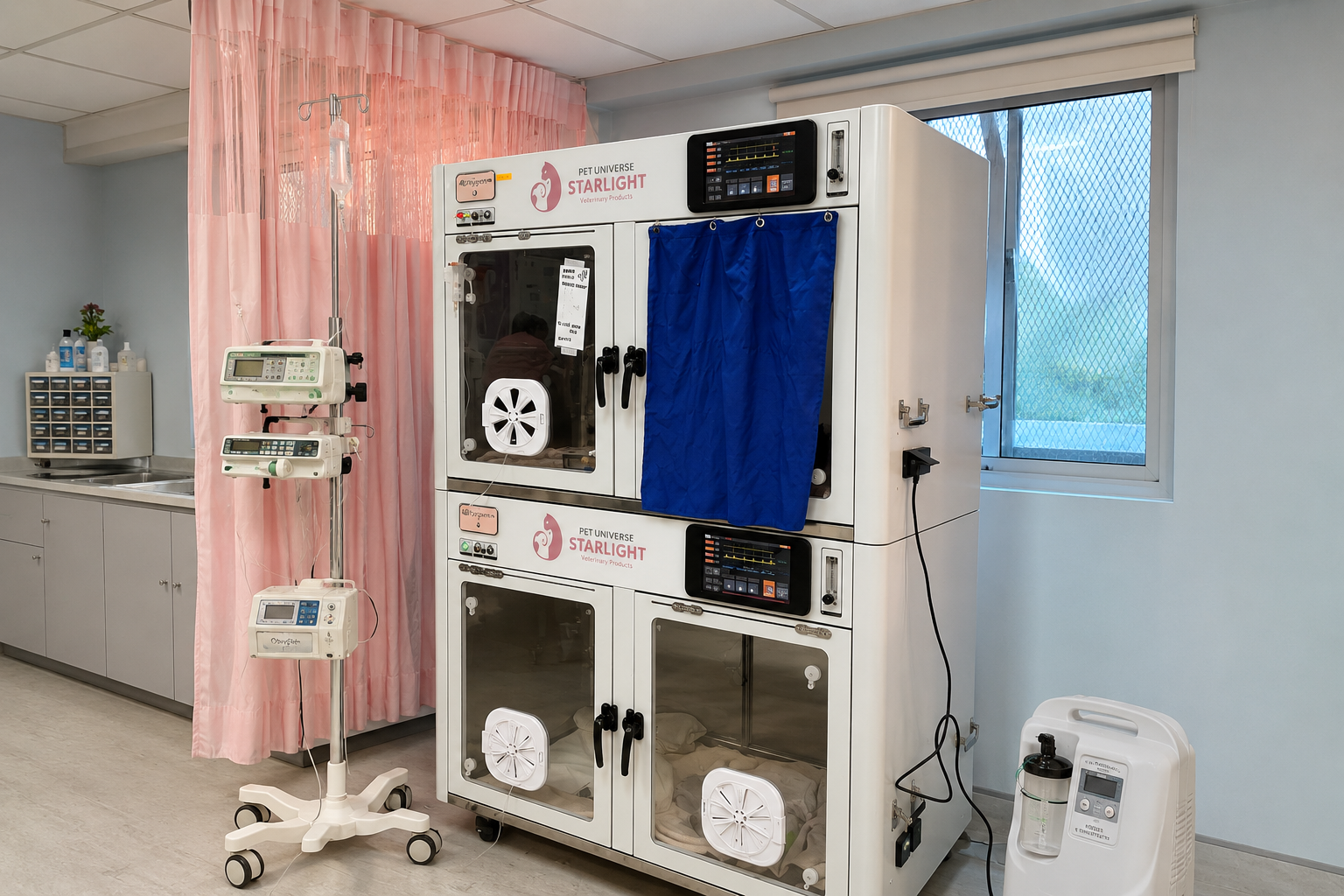
A Pet Intensive Care Unit (ICU) is designed for dogs and cats with life-threatening illnesses or injuries that require continuous monitoring, oxygen therapy, advanced medical equipment, and round-the-clock veterinary care. Pets experiencing breathing difficulties, severe trauma, poisoning, seizures, or complications after surgery may need Pet ICU treatment to improve their chances of recovery.
Key takeaways
- Pet ICU provide continuous monitoring for critically ill pets.
- ICU care is commonly needed for breathing problems, trauma, poisoning, severe infections, and seizures.
- Advanced equipment helps stabilise pets during medical emergencies.
- Early treatment improves recovery and survival.
- Starlight Veterinary Hospital provides 24-hour emergency and intensive care services
What is Pet ICU?
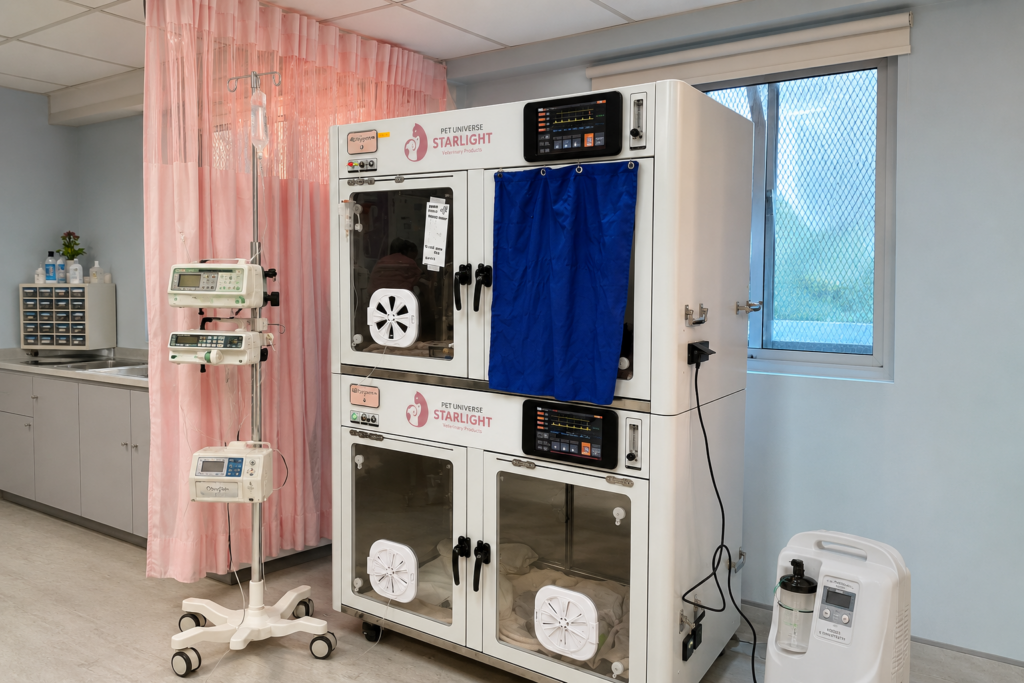
A Pet ICU is equipped with specialised technology designed to provide intensive care, continuous monitoring, and life-saving support for critically ill pets. These advanced systems allow veterinary teams to respond quickly to changes in a patient’s condition and deliver precise treatment when it matters most.
Temperature Control
Maintains a stable and comfortable environment for pets that are unable to regulate their body temperature due to illness, injury, or recovery from surgery.
Humidity Control
Helps prevent dehydration and keeps the respiratory tract moist, supporting pets with breathing difficulties or those requiring oxygen therapy.
Oxygen Chamber
Provides a controlled oxygen-rich environment for pets experiencing respiratory distress, pneumonia, pulmonary oedema, or other breathing-related conditions.
Ventilator
Assists pets that are unable to breathe adequately on their own, ensuring vital organs continue to receive sufficient oxygen.
Infusion Pumps
Deliver precise amounts of intravenous fluids, medications, and nutritional support to ensure accurate and consistent treatment.
Pulse Oximeter
Continuously monitors blood oxygen saturation levels, allowing the veterinary team to assess how effectively a pet is receiving oxygen.
Veterinary Anaesthesia Machine
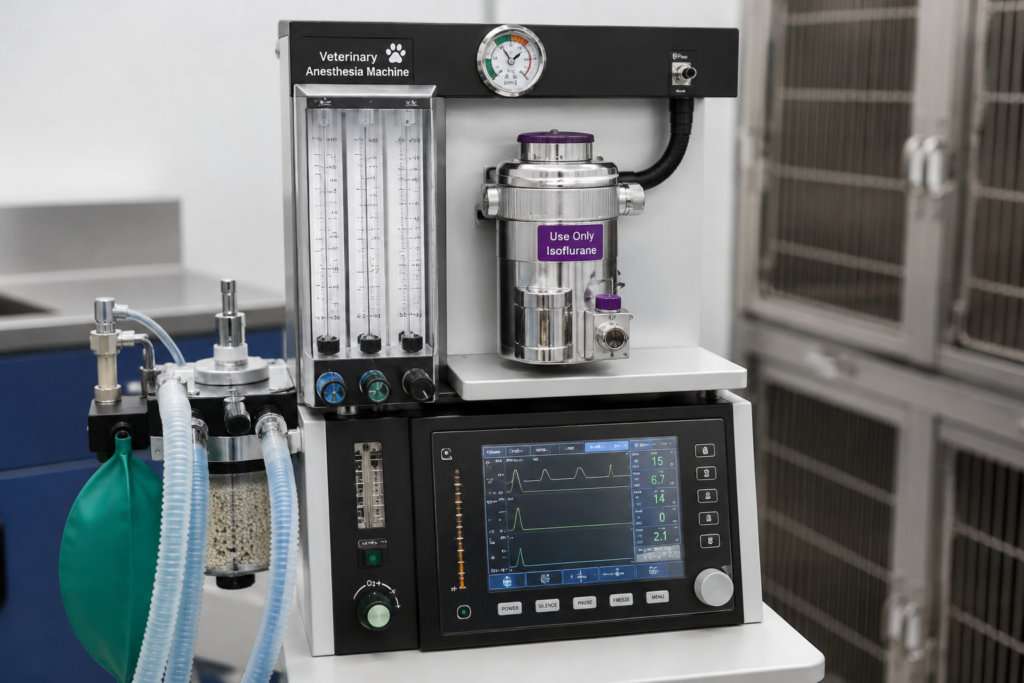
Provides safe anaesthetic support and monitoring for pets undergoing procedures or requiring sedation during critical care.
Advanced Patient Monitoring Devices
Track essential vital signs in real time, including heart rate, respiratory rate, blood pressure, body temperature, and oxygen levels. Continuous monitoring allows veterinary professionals to identify and address changes in a pet’s condition as early as possible.
Continuous Monitoring and Critical Care Support
Digital monitoring systems provide real-time information on both the pet’s vital signs and ICU environment, enabling round-the-clock observation and rapid intervention when needed.
This combination of advanced equipment and constant supervision helps provide critically ill pets with the highest level of veterinary care during emergencies, recovery, and intensive treatment.
What Are the Critical Signs Your Dog or Cat Needs Life-Saving Intensive Care?
- Difficulty breathing – Rapid, laboured, or open-mouth breathing.
- Collapse or unconsciousness – Sudden weakness, collapse, or unresponsiveness.
- Repeated seizures – Multiple seizures or a seizure lasting longer than five minutes.
- Pale or blue gums – A sign of poor oxygen levels or reduced blood circulation.
- Severe trauma or heavy bleeding – Injuries from accidents, falls, or bite wounds that require immediate medical attention.
How does a Pet ICU Help Critically Ill Pets?
- Stabilisation
- Oxygen support
- Continuous monitoring
- Emergency intervention
- Pain management
- Recovery support
What conditions commonly require Pet ICU Treatment?
| Condition | Why ICU Is Needed |
| Respiratory distress | Oxygen therapy and monitoring |
| Pulmonary oedema | Oxygen support and medications |
| Trauma | Stabilisation after accidents |
| Severe infections | Intensive monitoring |
| Sepsis | Blood pressure and organ support |
| Poisoning | Emergency treatment |
| Seizures | Continuous observation |
| Post-operative complications | Recovery monitoring |
What Should You Expect If Your Pet Requires Pet ICU Care?
A pet may be admitted to the Pet ICU if they arrive at the hospital with a life-threatening illness or injury, develop complications that require intensive monitoring, or have a complex medical condition needing advanced treatment and support.
During your pet’s stay in the ICU, you can expect the following:
Regular Updates and Communication
We understand that having a pet in intensive care can be stressful. Our veterinary team will provide regular updates on your pet’s condition, treatment progress, and any important developments throughout their stay.
Personalised Treatment Planning
Every pet’s condition is unique. Based on your pet’s diagnosis and response to treatment, our veterinarians will discuss recommended treatment options, expected outcomes, and estimated costs to help you make informed decisions regarding your pet’s care.
As critically ill patients can improve or deteriorate rapidly, treatment plans may be adjusted as your pet’s condition changes.
Time, Patience, and Recovery
Recovery from a critical illness often takes time. Some pets may stabilise within a few hours, while others may require several days or even weeks of intensive care before they are ready to continue recovery at home.
Throughout the process, our team remains available to answer questions and provide updates to keep you informed and reassured.
Follow-Up Care After ICU Discharge
Once your pet is stable and no longer requires intensive monitoring, they will move to the next stage of recovery. Depending on their condition, follow-up care may include:
- Scheduled recheck appointments
- Ongoing medications or supportive care
- Continued monitoring by your regular veterinarian
- Referral to a veterinary specialist if further treatment is required
- Home care recommendations, including dietary or lifestyle adjustments
Why Is Veterinary Critical Care Important?
Veterinary critical care plays a vital role in supporting pets facing serious illnesses, injuries, or medical emergencies. Through advanced monitoring equipment, specialised treatment, and round-the-clock care, ICU teams can respond quickly to changes in a pet’s condition and provide life-saving support when every minute matters.
At Starlight Veterinary Hospital, our ICU is equipped with advanced critical care technology and monitored by trained veterinary professionals to provide intensive support for pets during their most vulnerable moments.
Common Conditions we treat in our Pet ICU
- Respiratory distress
- Pulmonary oedema
- Pneumonia
- Severe dehydration
- Sepsis
- Trauma injuries
- Post-operative recovery
- Seizure disorders
Real ICU Case: Treating Pulmonary Oedema in a Dog
At Starlight Veterinary Hospital, we’ve cared for many critically ill pets requiring intensive monitoring and advanced medical treatment. One example is Chico, a dog who was admitted after developing severe breathing difficulties caused by pulmonary oedema.
Following emergency stabilisation, Chico received oxygen support, continuous monitoring, medication, and round-the-clock nursing care in our Pet ICU. With prompt treatment and close observation, his condition improved, and he was eventually well enough to continue his recovery at home.
When Should You Contact an Emergency Veterinarian?
If your pet is struggling to breathe, has collapsed, suffered major trauma, experienced repeated seizures, or appears critically ill, do not delay seeking veterinary care. Early treatment can make a significant difference in recovery outcomes.
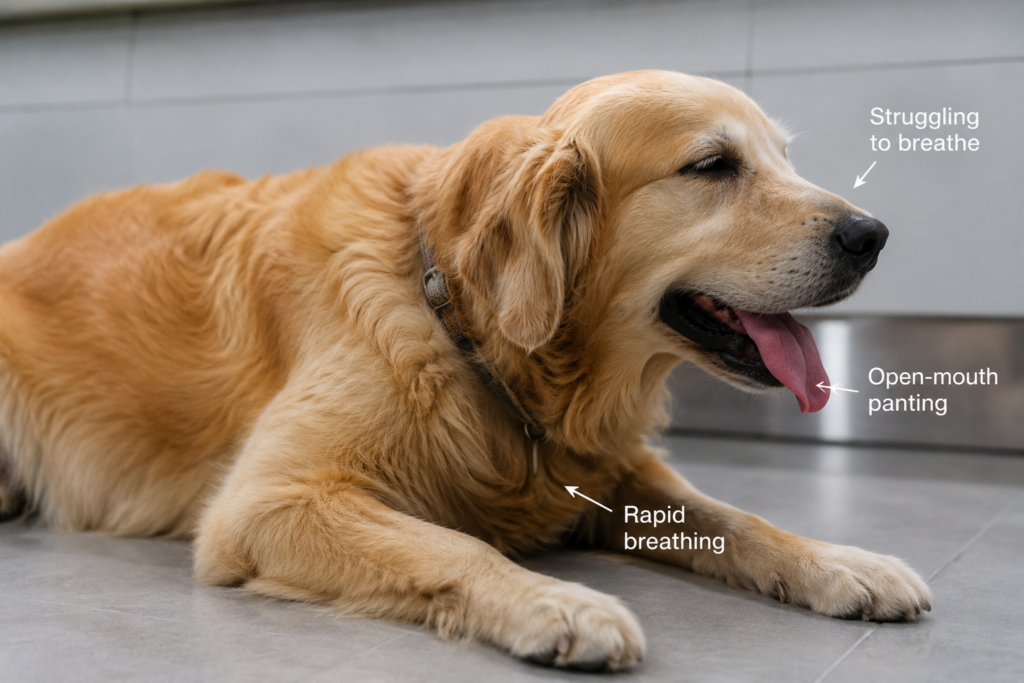
At Starlight Veterinary Hospital, our emergency and critical care team is available 24 hours a day with advanced Pet ICU facilities, continuous monitoring, and life-saving support when every minute counts.
FAQ
Dogs may require intensive care if they are suffering from a serious illness, injury, or medical emergency. Common reasons include difficulty breathing, severe infections, trauma from accidents, poisoning, heat stroke, seizures, heart disease, or complications following surgery. Intensive monitoring allows veterinary teams to respond quickly if a dog’s condition changes.
Cats may be admitted for intensive monitoring and treatment when they are critically ill or recovering from a major medical procedure. Conditions such as respiratory distress, urinary blockages, severe infections, trauma, poisoning, diabetic emergencies, or seizures may require a higher level of care and observation.
No. An oxygen chamber is designed specifically to provide supplemental oxygen for pets experiencing breathing difficulties. Intensive care involves much more than oxygen support and may include continuous monitoring, intravenous fluids, medication administration, nutritional support, and advanced life-support equipment. Some critically ill patients may require both intensive care and oxygen therapy during their treatment.
Veterinary teams closely monitor a patient’s vital signs, including heart rate, respiratory rate, oxygen levels, blood pressure, and body temperature. Advanced monitoring equipment provides real-time information, allowing veterinarians and nurses to quickly identify changes and adjust treatment as needed. Regular assessments are also performed throughout the day and night.
Once a patient is stable and no longer requires intensive monitoring, they may be discharged with a recovery plan tailored to their condition. This may include medications, follow-up appointments, dietary recommendations, activity restrictions, or continued care at home. Some patients may also require ongoing treatment with their regular veterinarian or a specialist.
Yes. Intensive care is designed to provide the highest level of medical support for critically ill patients. Veterinary professionals use specialised equipment, advanced monitoring systems, and evidence-based treatment protocols to ensure patients receive appropriate care while minimising risks. Every treatment plan is carefully tailored to the individual patient’s needs.
Many pets recover well after intensive care, especially when treatment begins early. Recovery depends on the underlying condition, its severity, and how your pet responds to treatment. Your veterinarian will provide updates and discuss the expected recovery plan.
The length of stay varies depending on your pet’s condition. Some pets may only need intensive monitoring for a few hours, while others may require several days or longer before they are stable enough to continue recovery at home.
Visitation policies vary between veterinary hospitals. In some cases, visits may be arranged when appropriate, while in others, they may be limited to reduce stress and allow uninterrupted treatment. Your veterinary team will keep you informed throughout your pet’s stay.
No. Many emergency cases can be treated without intensive care. ICU admission is only recommended for pets that require continuous monitoring, specialised equipment, or advanced treatment due to a life-threatening illness or injury.