




New Puppy Checklist: 12 Things Every New Puppy Owner Needs Before Bringing a Puppy Home
Looking for a New Puppy Checklist? Here’s What You Need to Know Before Bringing Home a New Puppy
Getting your first puppy is exciting, but preparation is essential. Before your puppy arrives, you’ll need the right supplies, a safe environment, a veterinary care plan, and a routine that helps your puppy adjust to their new home.
This guide covers everything first-time puppy owners need to prepare before bringing a puppy home.
What Do You Need Before Bringing Home a Puppy?
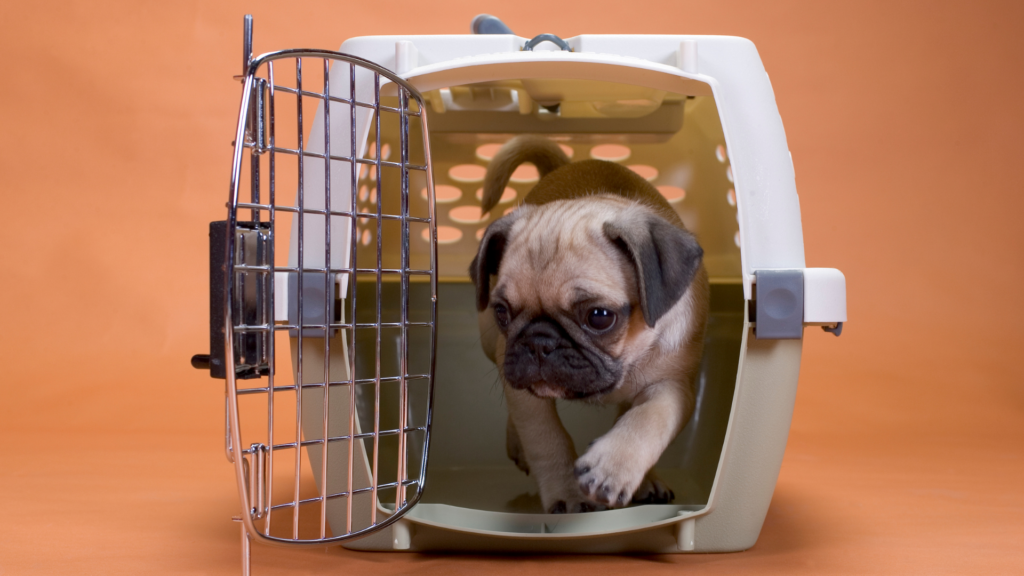
Before bringing home a puppy, prepare puppy food, food and water bowls, a collar and leash, flea and tick prevention, toys, a bed, a crate, identification tags, and cleaning supplies. You should also puppy-proof your home, schedule a veterinary check-up, establish a daily routine, and start socialisation early.
- Puppy food
- Treats
- Food and water bowls
- Flea and tick protection
- Collar and leash
- ID tag
- Toys
- Crate
- Bed
- Safety gate or pen
- Potty pads
- Poop bags
- Enzymatic cleaner
What Supplies Do You Need for a New Puppy?
Puppy Food
Choose a puppy-specific diet formulated for your puppy’s breed size and age. Puppies require different nutrients than adult dogs to support healthy growth and development.
Food and Water Bowls
Use sturdy bowls that are easy to clean. Stainless steel bowls are often recommended because they are durable and hygienic.
Collar and Leash
A properly fitted collar and leash are essential for identification, training, and safe walks.
Flea and Tick Protection
Parasites can affect puppies even at a young age. Speak with your veterinarian about age-appropriate flea and tick prevention.
How Do You Puppy-Proof Your Home?
Puppies are naturally curious and can easily get into trouble if hazards are left within reach.
Before bringing your puppy home:
- Remove electrical cords from accessible areas
- Store medications safely
- Keep household cleaners locked away
- Secure trash bins
- Remove toxic plants
- Keep small objects off the floor
- Block unsafe areas with baby gates
What It Means
Think of puppy-proofing your home the same way parents child-proof a house for a toddler.
Why Is Puppy-Proofing Time-Sensitive?
The first few days are when puppies are most likely to explore unfamiliar surroundings. Preventing accidents early can reduce the risk of injuries, poisoning, choking, or emergency veterinary visits.
Should You Create a Safe Space for Your Puppy?
Yes.
New environments can be overwhelming for puppies. Creating a designated safe area helps them settle in more comfortably.
Your puppy’s safe space should include:
- Bed
- Water bowl
- Toys
- Crate
- Puppy pads (if needed)
This area allows your puppy to rest, relax, and adapt to their new surroundings.
When Should You Take Your New Puppy to the Vet?
Schedule a veterinary examination as soon as possible after bringing your puppy home.
During the first visit, your veterinarian may:
- Perform a physical examination
- Check for congenital health issues
- Discuss vaccination schedules
- Recommend deworming
- Discuss flea and tick prevention
- Provide nutrition advice
- Answer questions about training and behaviour
Real-World Experience from Starlight Veterinary Hospital
At Starlight Veterinary Hospital, many first-time puppy owners visit us within the first week of bringing their puppy home. Early health checks can help identify potential issues before they become more serious and provide owners with guidance on vaccinations, parasite prevention, nutrition, and puppy care.
Why Is Your Puppy’s First Vet Visit Important?
Early veterinary care helps establish a preventive healthcare plan for your puppy.
Why This Is Time-Sensitive
Many puppy illnesses can progress quickly because puppies have developing immune systems. Early vaccinations, parasite control, and health screenings help protect your puppy during this critical stage of growth.
How Do You Socialise a Puppy Properly?
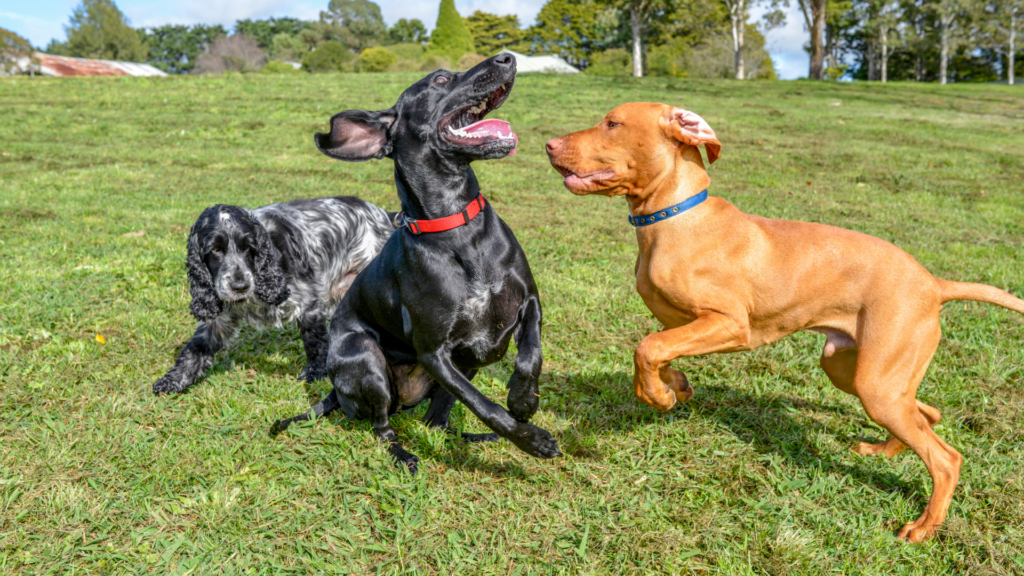
Socialisation means safely exposing your puppy to different people, sounds, environments, and experiences.
Examples include:
- Meeting friendly people
- Seeing other vaccinated dogs
- Visiting new environments
- Hearing household sounds
- Experiencing different surfaces and textures
Positive early experiences can help puppies grow into confident and well-adjusted adult dogs.
Why Is Puppy Socialisation Important?
The early months of a puppy’s life are considered an important learning period.
Puppies that are properly socialised are generally less likely to develop:
- Fear-based behaviours
- Anxiety
- Excessive barking
- Aggression toward unfamiliar situations
How Do You Establish a Routine for a New Puppy?
Dogs thrive on consistency.
Try to keep:
- Feeding times consistent
- Toilet breaks predictable
- Exercise scheduled
- Training sessions short and regular
- Bedtime routines stable
A predictable routine helps puppies understand expectations and adjust more quickly to their new home.
FAQ
What should I buy before bringing home a puppy?
You should prepare puppy food, bowls, a collar, leash, bed, crate, toys, flea and tick prevention, ID tags, and cleaning supplies before your puppy arrives.
When should a puppy have its first vet visit?
Ideally within the first few days after arriving at its new home.
Do puppies need flea and tick prevention?
Yes. Puppies can be affected by parasites, although the appropriate product depends on their age and weight.
How do I puppy-proof my house?
Remove hazards such as electrical cords, toxic plants, medications, chemicals, and small objects that could be swallowed.
Is crate training good for puppies?
When introduced properly, crate training can help puppies feel secure and support house training.
How often should puppies eat?
Most puppies require multiple small meals per day, although feeding frequency depends on age and breed size.
Do all puppies need vaccinations?
Yes. Vaccinations help protect puppies from potentially serious infectious diseases.