



Intact Cat vs Neutered Male Cat: What’s the Difference?
Intact Cat vs Neutered Male Cat: What’s the Difference?
If you’ve recently welcomed a male cat into your family, you’ve probably come across the terms “intact” and “neutered.” While they may sound like simple veterinary terms, understanding the difference can help you make informed decisions about your cat’s health, behaviour, and overall quality of life.
An intact male cat still has both testicles and can reproduce, while a neutered male cat has undergone a routine surgical procedure to remove the testicles, preventing reproduction and reducing the production of testosterone. Although this may seem like a small change, testosterone influences many aspects of a cat’s behaviour and physical health.
The comparison between an intact cat vs neutered male cat goes beyond fertility. Hormones can affect everything from territorial marking and roaming to aggression and the risk of developing certain health conditions. These differences also influence how easily a cat adapts to indoor living and interacts with other pets.
Whether you’re adopting a kitten, caring for an adult rescue cat, or deciding if neutering is the right choice, this guide explains everything you need to know. We’ll compare behaviour, health, lifestyle, and long-term wellbeing so you can choose what’s best for your feline companion.
Quick Answer
The biggest difference between an intact cat vs neutered male cat is the presence of testosterone. Intact male cats continue producing reproductive hormones, making them more likely to spray urine, roam in search of females, fight with other cats, and display mating behaviours. Neutered male cats usually become calmer over time, are less likely to mark territory or wander, and face lower risks of hormone-related health problems.
Although neutering does not completely change a cat’s personality, it often reduces behaviours that are driven by hormones, helping many cats live safer and more comfortable lives especially those kept indoors.
What Is an Intact Male Cat?
An intact male cat is a cat whose reproductive organs have not been surgically removed. He still has both testicles, continues producing testosterone, and remains capable of fathering kittens.
As male cats approach puberty, their hormone levels naturally rise. Testosterone plays an important role in physical development, reproductive function, and behaviour. While these instincts are completely natural, they can also lead to behaviours that many owners find challenging.
An intact male cat may begin to:
- Spray strong-smelling urine to mark territory
- Roam long distances searching for female cats
- Fight with rival males
- Vocalise more frequently
- Attempt to escape from the house
- Mount female cats or even other animals
These behaviours are not signs that your cat is “naughty” or poorly trained. Instead, they are instinctive responses influenced by hormones.
Many intact male cats are still affectionate, playful, and loving towards their owners. However, once sexual maturity begins usually between four and six months of age. Their natural breeding instincts become much stronger.
If an intact male cat spends time outdoors, he is also more likely to encounter other cats. This increases the chance of injuries, infections, and exposure to contagious diseases through fighting and mating.
What Is a Neutered Male Cat?
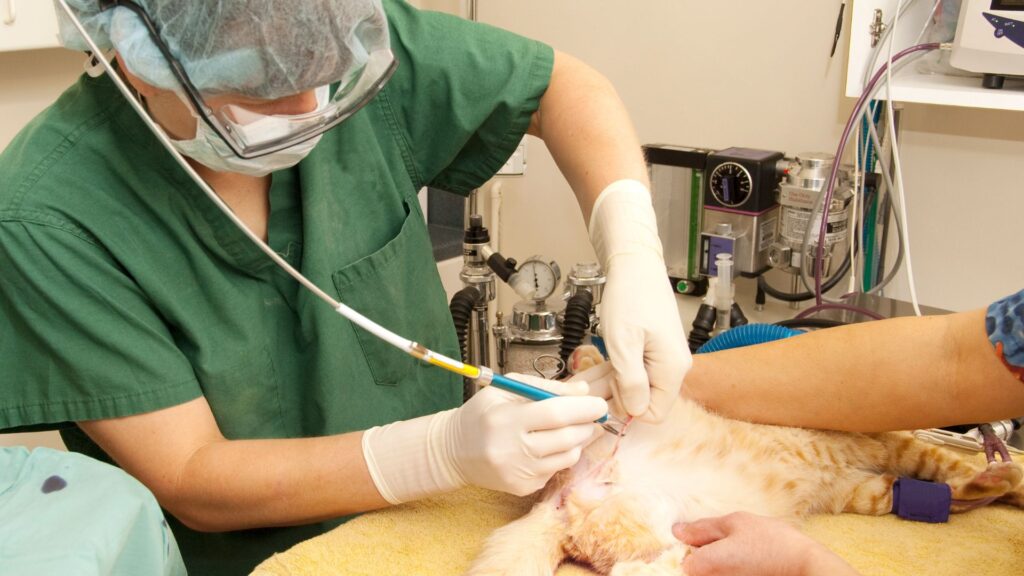
A neutered male cat has undergone a routine surgical procedure known as castration, where both testicles are removed under general anaesthesia. Once the procedure is completed, the body produces significantly less testosterone.
Without high levels of reproductive hormones, many behaviours associated with mating gradually decrease. However, these changes do not happen overnight. It usually takes several weeks for hormone levels to fall, and behaviours that have already become habits may take longer to disappear.
After neutering, many male cats become:
- Less likely to spray urine indoors
- Less interested in roaming outdoors
- Less aggressive towards other cats
- Less likely to fight
- Easier to manage in multi-cat households
Importantly, neutering does not change your cat’s unique personality. Cats generally remain just as affectionate, playful, curious, and bonded with their families as they were before surgery.
Neutering is one of the most commonly performed veterinary procedures worldwide and is recommended by many veterinarians as part of responsible pet ownership.
Intact Cat vs Neutered Male Cat: A Side-by-Side Comparison
Although both intact and neutered male cats can make wonderful companions, there are several noticeable differences in their behaviour, health, and lifestyle.
| Feature | Intact Male Cat | Neutered Male Cat |
|---|---|---|
| Can reproduce | Yes | No |
| Testosterone levels | High | Significantly reduced |
| Urine spraying | Very common | Usually much less common |
| Roaming | Frequent | Greatly reduced |
| Fighting | More likely | Less common |
| Territorial behaviour | Strong | Milder |
| Risk of accidental breeding | High | None |
| Risk of testicular disease | Present | Eliminated |
| Indoor lifestyle | More challenging | Easier |
| Population control | Contributes to unwanted litters | Helps prevent overpopulation |
While every cat has its own personality, testosterone is responsible for many behavioural differences seen between intact and neutered males.
Behaviour Differences Between an Intact Cat and a Neutered Male Cat
One of the biggest differences owners notice in an intact cat vs neutered male cat is behaviour. Hormones have a significant influence on how male cats respond to their surroundings, especially after reaching puberty.
Although every cat behaves differently, intact males are generally more driven by reproductive instincts, while neutered males are usually calmer and easier to manage.
Territorial Marking
Intact male cats often mark their territory by spraying small amounts of urine onto walls, furniture, doors, or outdoor objects. Unlike normal urination, spraying is a form of communication used to signal their presence to other cats.
Cat urine used for spraying contains pheromones and has a particularly strong smell because of hormonal influences.
Neutering greatly reduces the likelihood of urine spraying, especially if the procedure is performed before spraying becomes an established habit. However, some neutered cats may still spray due to stress, anxiety, medical conditions, or conflicts with other cats.
Roaming Behaviour
One of the most noticeable behaviours in intact male cats is roaming.
When female cats nearby are in heat, intact males may travel surprisingly long distances in search of a mate. They often attempt to escape through open doors, windows, or fences, putting themselves at risk of getting lost.
Roaming also increases exposure to:
- Road traffic
- Dog attacks
- Parasites
- Poisoning
- Physical injuries
- Infectious diseases
Neutered male cats are generally much less motivated to roam because they no longer seek out females for breeding.
Aggression Towards Other Cats
Competition between intact males is common, especially when territory or female cats are involved.
Fights can involve scratching, biting, chasing, and prolonged confrontations. These encounters often lead to painful wounds that may become infected if left untreated.
Cats that frequently fight also have a higher chance of contracting infectious diseases spread through bite wounds.
Neutered cats are not completely free from aggression, but they are generally less likely to engage in hormone-driven conflicts.
Mounting Behaviour
Hormonal instincts often cause intact male cats to mount female cats during breeding season. Occasionally, they may also mount blankets, toys, cushions, or even other pets.
While neutering usually reduces mounting behaviour, some cats continue the habit because it has become a learned behaviour rather than a hormonal one.
Vocalisation

Many intact male cats become more vocal once they reach sexual maturity.
You may notice loud yowling or persistent meowing, particularly if there are female cats nearby. These vocalisations are part of normal mating behaviour and are intended to attract females or communicate with rival males.
After neutering, excessive hormone-driven vocalisation usually becomes less frequent.
Indoor Living
Intact male cats often find indoor life more frustrating because their instincts encourage them to explore outside.
This can result in:
- Constant scratching at doors
- Escaping whenever possible
- Restlessness
- Increased pacing
- Window watching
- Attempts to climb fences
Neutered male cats generally adapt better to indoor environments and are often more content spending time with their families.
Health Differences Between an Intact Cat and a Neutered Male Cat
Beyond behaviour, there are also important health differences when comparing an intact cat vs neutered male cat.
While intact cats can certainly live healthy lives with proper veterinary care, their hormone-driven lifestyle often exposes them to additional health risks.
Increased Risk of Fighting Injuries
Because intact males are more territorial, they are much more likely to become involved in fights.
Bite wounds may look small on the surface but can develop into painful abscesses beneath the skin. Without treatment, these infections can become severe and require antibiotics or surgical drainage.
Greater Exposure to Infectious Diseases
Cats that roam and fight have a higher chance of encountering infectious diseases spread through saliva or close contact.
These include serious viral infections that can affect the immune system and overall health.
Reducing roaming behaviour through neutering can help lower exposure to these risks.
Higher Risk of Road Accidents
An intact male cat searching for females often pays less attention to his surroundings.
Crossing busy roads, climbing unfamiliar areas, and wandering into dangerous environments significantly increase the risk of trauma from vehicle accidents.
For outdoor cats, this is one of the most important reasons veterinarians recommend neutering.
Testicular Diseases
Because intact male cats retain their reproductive organs, they remain at risk of conditions affecting the testicles, including injuries, inflammation, and testicular tumours.
Neutering removes the testicles entirely, eliminating the possibility of diseases affecting these organs.
Stress and Hormonal Pressure
Living with constant reproductive instincts can be stressful for some intact male cats, especially if they are kept indoors without access to mate.
The repeated drive to search for females may contribute to frustration, restlessness, and persistent attempts to escape the home.
Neutered male cats are generally less influenced by these hormonal pressures, making them more relaxed in many household environments.
Does Neutering Change a Cat’s Personality?
One of the biggest concerns cat owners have before scheduling a neutering procedure is whether their pet will become a completely different cat afterwards. Fortunately, the answer is usually no.
Neutering does not change your cat’s core personality. If your cat is affectionate, playful, curious, or enjoys spending time with your family, those traits are likely to remain the same. Instead, neutering mainly reduces behaviours that are influenced by reproductive hormones.
Many owners notice positive changes after their cat has recovered from surgery, including:
- Becoming calmer and more relaxed
- Spending more time indoors
- Showing less interest in escaping the house
- Reduced territorial behaviours
- Fewer aggressive interactions with other cats
Every cat responds differently. Some behavioural changes become noticeable within a few weeks, while others may take several months, especially if hormone-driven habits were established before neutering.
Do Neutered Male Cats Still Spray?
Although neutering significantly lowers the chance of urine spraying, it does not guarantee that spraying will stop completely.
Cats may continue spraying for several reasons, including:
They Were Neutered Later in Life
Cats that begin spraying before being neutered may continue the behaviour because it has become a learned habit. Even after testosterone levels decrease, some cats may still mark certain areas.
Stress or Anxiety
Changes within the home can trigger spraying in both intact and neutered cats. Common stressors include:
- Moving to a new house
- Introducing another pet
- Changes to the family routine
- Renovations
- Conflicts with neighbouring cats
Medical Conditions
Spraying or urinating outside the litter box can sometimes be a sign of an underlying health problem rather than a behavioural issue. Conditions such as urinary tract infections, bladder inflammation, bladder stones, or other urinary diseases may cause similar symptoms.
If your neutered cat suddenly starts spraying or having accidents, it’s important to arrange a veterinary examination to rule out medical causes.
When Should You Neuter a Male Cat?
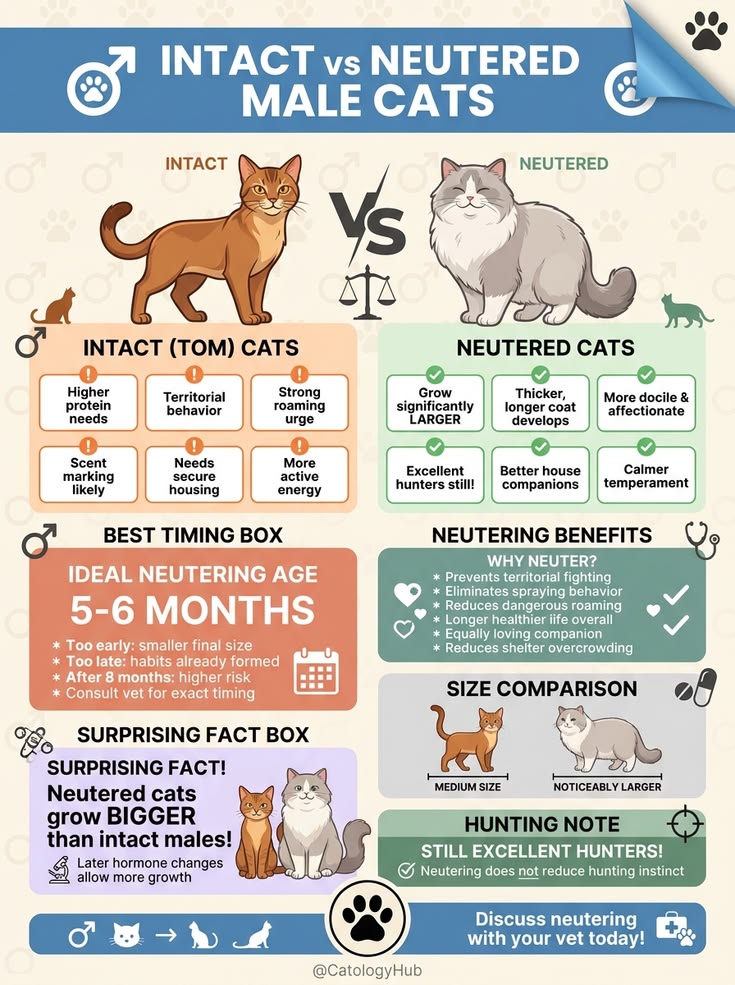
Many veterinarians recommend neutering male cats between four and six months of age, before they reach sexual maturity.
Neutering before puberty offers several advantages:
- Reduces the likelihood of urine spraying
- Decreases roaming behaviour
- Lowers the risk of fighting
- Prevents unwanted pregnancies
- Makes hormone-driven behaviours less likely to develop
However, there is no single age that is suitable for every cat.
Adult and even senior cats can often be neutered safely after a thorough health assessment. If your cat has an underlying medical condition, your veterinarian may recommend blood tests or additional examinations before surgery to ensure it is safe to proceed.
The best timing depends on your cat’s age, overall health, lifestyle, and individual needs.
Benefits of Neutering a Male Cat
When comparing an intact cat vs neutered male cat, neutering offers several benefits for both the cat and the owner.
Reduces Territorial Spraying
One of the most noticeable benefits is a reduction in urine marking. Cats that are neutered before spraying begins are much less likely to develop this behaviour.
Decreases Roaming
Without the drive to search for females, neutered cats usually stay closer to home, lowering the risk of getting lost or injured.
Less Fighting
Reduced testosterone often leads to fewer aggressive encounters with other cats, helping prevent bite wounds, abscesses, and other injuries.
Helps Prevent Unwanted Litters
Neutering prevents accidental breeding and plays an important role in reducing the number of unwanted kittens entering shelters or living as strays.
Lower Risk of Certain Diseases
Removing the testicles eliminates the risk of testicular diseases and may reduce some hormone-related health issues later in life.
Better Quality of Life Indoors
Many neutered cats adapt well to indoor living because they are less likely to roam or constantly attempt to escape.
Are There Any Downsides to Neutering?
Neutering is generally considered a safe and routine procedure, but like any surgery, there are some considerations.
Temporary Surgical Recovery
Most cats recover quickly, although they may feel sleepy or less active for the first day after anaesthesia.
Weight Gain
After neutering, a cat’s energy requirements may decrease slightly. If food intake remains the same while activity levels drop, weight gain can occur over time.
Fortunately, this can usually be prevented by:
- Feeding measured portions
- Choosing an appropriate diet
- Encouraging regular play and exercise
- Monitoring body weight during routine veterinary visits
Surgical Risks
Complications from neutering are uncommon, particularly when performed by experienced veterinarians. As with any procedure involving general anaesthesia, there is a small risk, but pre-operative health assessments and careful monitoring help minimise these risks.
Overall, for most healthy cats, the benefits of neutering outweigh the potential drawbacks.
How Long Does It Take for Behaviour to Change?
Many owners expect immediate behavioural changes after surgery, but testosterone does not disappear overnight.
In most cats:
- Hormone levels gradually decline over several weeks.
- Roaming often decreases within the first month.
- Aggression may reduce gradually.
- Spraying may stop quickly or take several months, depending on whether it has become a learned habit.
Patience is important. Behavioural improvements usually occur gradually rather than immediately.
How to Care for Your Cat After Neutering
Proper aftercare helps ensure a smooth recovery and reduces the risk of complications.
Limit Activity
Keep your cat indoors and discourage jumping, running, or rough play for several days following surgery.
Prevent Licking
Excessive licking can delay healing and increase the risk of infection. Your veterinarian may recommend an Elizabethan collar (cone) or a recovery suit if needed.
Monitor the Surgical Site
Check the incision daily for:
- Redness
- Swelling
- Bleeding
- Discharge
- An unpleasant smell
Contact your veterinarian if you notice any of these signs.
Follow Medication Instructions
If pain relief or other medications are prescribed, administer them exactly as directed. Never give human painkillers unless specifically instructed by your veterinarian, as many are toxic to cats.
Encourage Eating and Drinking
Most cats regain their appetite within a day after surgery. If your cat refuses food for more than 24 hours or seems unusually lethargic, seek veterinary advice promptly.
When Should You Visit a Veterinarian?
Whether your cat is intact or neutered, some symptoms should never be ignored.
Seek veterinary attention if your cat experiences:
- Difficulty urinating
- Repeated vomiting
- Loss of appetite lasting more than 24 hours
- Severe swelling around the surgical site
- Bleeding or discharge from the incision
- Persistent lethargy
- High fever
- Trouble breathing
- Ongoing urine spraying accompanied by signs of illness
Early treatment can prevent minor problems from becoming more serious and improve your cat’s chances of a smooth recovery.
How Starlight Veterinary Hospital Can Help
If you’re deciding between keeping your cat intact or scheduling neutering, discussing your concerns with a veterinarian is the best place to start. We offer spay and neuter services in Ampang for cat owners looking for a straightforward, low-stress procedure close to home.
At Starlight Veterinary Hospital, our veterinary team provides personalised advice based on your cat’s age, health, and lifestyle. Before surgery, every patient undergoes a thorough health assessment to ensure they are suitable for anaesthesia.
During the neutering procedure, your cat is closely monitored using advanced anaesthetic and patient monitoring equipment to maximise safety throughout surgery. Pain management protocols are also tailored to help keep your cat comfortable during recovery.
After the procedure, our team will provide detailed post-operative care instructions, including guidance on feeding, activity restriction, wound care, and follow-up appointments. If you have any concerns after your cat returns home, we’re here to answer your questions and support your pet’s recovery.
Whether you’ve recently adopted a kitten or are considering neutering an adult male cat, we’re happy to help you make an informed decision that’s best for your feline companion.
FAQ
The main difference between an intact cat and a neutered male cat is the presence of reproductive hormones. An intact cat still has both testicles and produces testosterone, allowing him to reproduce. A neutered male cat has undergone surgery to remove the testicles, resulting in lower testosterone levels and fewer hormone-driven behaviours such as spraying, roaming, and fighting.
An intact cat is not necessarily healthier than a neutered male cat. While both can live long, healthy lives with proper veterinary care, intact cats are generally at a higher risk of roaming, fighting, and developing injuries or certain reproductive health problems. Neutering helps reduce these risks and can improve long-term wellbeing.
An intact cat sprays urine to mark territory and communicate with other cats, particularly during sexual maturity. The strong-smelling urine contains pheromones that signal his presence and reproductive status. Neutering often reduces or eliminates this behaviour, especially if performed before spraying becomes a habit.
Most veterinarians recommend neutering an intact cat between four and six months of age, before puberty begins. Early neutering can help prevent spraying, roaming, and aggression from developing. However, adult intact cats can also be neutered safely after a veterinary assessment.
Yes, an intact cat can live indoors, but it may be more challenging. Hormonal instincts can cause an intact cat to become restless, vocal, or eager to escape in search of a mate. Providing plenty of enrichment, playtime, and mental stimulation can help, but neutering often makes indoor living easier.
An intact cat is naturally driven to search for female cats in heat. This instinct can lead him to travel long distances, increasing the risk of road accidents, getting lost, fighting with other cats, or contracting infectious diseases. Neutering usually reduces the desire to roam.
An intact cat is generally more likely to display aggression toward other male cats due to territorial and mating instincts. However, aggression can also be influenced by personality, socialisation, and the environment. Neutering often helps reduce hormone-related aggression, although it may not eliminate all aggressive behaviours.
Yes, an intact cat can live with other cats, but conflicts are more common, especially with other intact males. Competition over territory or female cats can lead to fighting. Introducing cats gradually and providing enough resources, such as food bowls and litter boxes, can help reduce tension.
An intact cat may have a shorter average lifespan if he frequently roams outdoors or gets into fights. These behaviours increase the risk of injuries, infections, and road traffic accidents. A neutered male cat often has a lower risk of these dangers, which may contribute to a longer life.
Yes. An intact cat can usually be neutered at any age, provided he is healthy enough for anaesthesia. While early neutering is often recommended, adult cats can still benefit from the procedure by reducing hormone-driven behaviours and lowering certain health risks.