


Hyperthyroidism in Cats: Warning Signs & Effective Treatments
What Is Hyperthyroidism in Cats?
Hyperthyroidism is one of the most common endocrine disorders affecting older cats. The condition develops when the thyroid glands produce more thyroid hormones than the body requires, causing the metabolism to speed up significantly. As a result, many essential organs including the heart, kidneys, digestive tract, and nervous system are placed under increased strain.
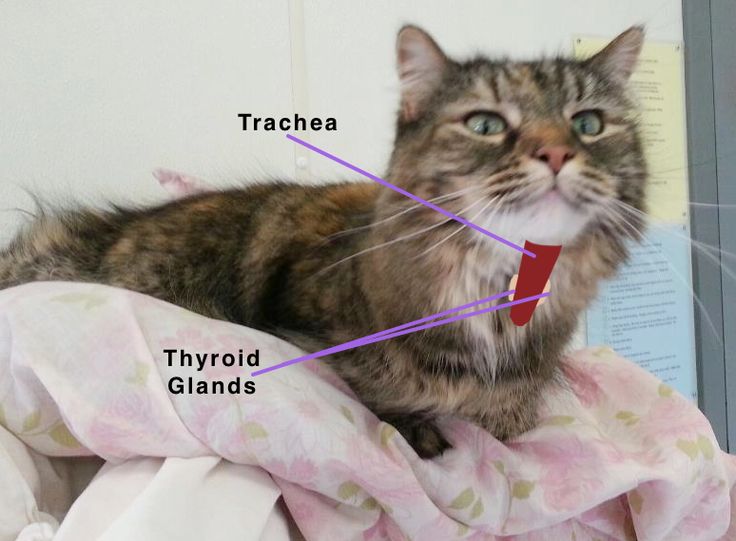
The thyroid glands are two small glands located on either side of the windpipe. Although they are small, they play a vital role in controlling your cat’s metabolism, heart rate, body temperature, and energy production. Healthy thyroid hormone levels help keep these body functions balanced. When too much hormone is released, the body’s systems begin working faster than they should.
Hyperthyroidism is a progressive disease that usually becomes more severe over time if left untreated. Fortunately, modern veterinary medicine offers several effective treatment options, and many cats enjoy an excellent quality of life with early diagnosis and appropriate care.
What It Means
https://www.catster.com/cat-health-care/when-to-euthanize-a-cat-with-hyperthyroidism/?utm_source=Pinterest&utm_medium=organic&utm_source=Pinterest&utm_medium=organic
The thyroid glands act like your cat’s internal metabolic regulator. Their role is to determine how quickly the body uses energy and carries out everyday functions.
When hyperthyroidism develops, that regulator becomes overactive. The body starts burning calories at an unusually fast rate, causing your cat to lose weight even though they may be eating more than ever. The increased hormone levels also speed up the heart, raise blood pressure, and increase overall activity, placing extra demands on multiple organs.
Which Cats Are Most at Risk?
Hyperthyroidism is most frequently diagnosed in middle-aged and senior cats, particularly those over 10 years of age. Although younger cats can occasionally develop the condition, it is far less common.
Current research shows that both male and female cats are equally affected, and there is no consistent evidence that a specific breed is significantly more susceptible than others.
The condition develops gradually over time, making it easy to overlook during its early stages. Many pet owners initially assume that changes such as weight loss, increased appetite, or unusual behaviour are simply part of the normal ageing process.
Why Regular Health Checks Are Important
As cats grow older, routine veterinary examinations become increasingly important. Wellness screenings and blood tests can often detect thyroid abnormalities before serious complications occur.
Early diagnosis allows treatment to begin sooner, helping reduce the risk of secondary conditions while improving long-term health and quality of life.
What Causes Hyperthyroidism in Cats?
Most cats develop hyperthyroidism after one or both thyroid glands become enlarged due to a benign (non-cancerous) tumour known as a thyroid adenoma. These abnormal cells continue producing thyroid hormones even when the body no longer needs them.
A much smaller number of cases are associated with malignant thyroid tumours (thyroid carcinoma).
The exact cause of hyperthyroidism remains uncertain. Researchers believe several factors may contribute to its development, including:
- Age-related changes
- Long-term exposure to environmental chemicals
- Dietary influences
- Genetic factors that are still being studied
No single factor has been proven to directly cause hyperthyroidism, and there is currently no guaranteed way to prevent the disease.
What Happens Inside the Body?
Thyroid hormones regulate how quickly cells convert nutrients into energy. Excess hormone production accelerates this process, forcing nearly every organ system to work harder than normal.
Common effects include:
- Faster metabolism
- Increased heart rate
- Elevated blood pressure
- Higher calorie consumption
- Increased oxygen requirements
- Greater workload on the heart, kidneys, liver, muscles, and digestive tract
Without treatment, prolonged exposure to high thyroid hormone levels can eventually damage multiple organs and lead to additional health complications.
Early Signs of Hyperthyroidism in Cats
The symptoms of hyperthyroidism usually develop slowly and become more obvious as the disease progresses.
Some of the earliest signs include:
- Weight loss despite eating normally or more than usual
- Increased appetite
- Drinking more water
- Frequent urination
- Hyperactivity
- Restlessness
- Increased vocalisation
- Poor grooming habits
- An oily or untidy coat
Many owners notice that their older cat suddenly seems unusually energetic or behaves like a much younger cat.
Advanced Symptoms
As hyperthyroidism progresses, more severe clinical signs may develop, including:
- Vomiting
- Diarrhoea
- Muscle weakness
- Rapid breathing
- Panting
- Poor heat tolerance
- Enlargement of the thyroid gland
- Fast heart rate
- Heart murmurs
- High blood pressure
These symptoms generally worsen over time without appropriate treatment.
Why Do Cats with Hyperthyroidism Lose Weight Even Though They Eat More?
increased appetite.
The overactive thyroid speeds up the body’s metabolism so significantly that calories are burned faster than they can be replaced through food. As energy demands continue to rise, the body begins breaking down stored fat and muscle tissue, resulting in progressive weight loss.
This unusual combination of eating more while becoming thinner is often one of the first clues that prompts veterinarians to investigate thyroid disease.
Can Hyperthyroidism Affect Other Organs?
Yes. Elevated thyroid hormone levels influence almost every organ system, making secondary complications relatively common if the disease is not properly managed.
Heart Disease
Excess thyroid hormones increase both heart rate and cardiac workload.
Over time, the heart muscle may become enlarged, increasing the risk of heart disease and, in severe cases, heart failure. Many of these changes improve once thyroid hormone levels are successfully controlled.
High Blood Pressure (Hypertension)
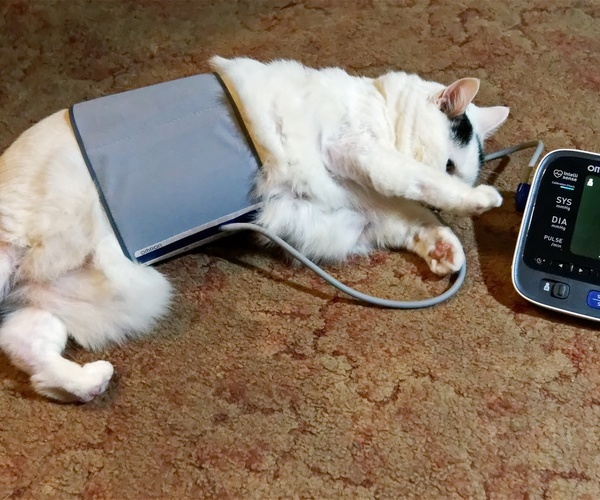
High blood pressure frequently occurs alongside hyperthyroidism.
Persistent hypertension can damage several organs, including:
- Eyes
- Kidneys
- Brain
- Heart
Blood pressure medication may be required for some cats while their thyroid condition is being stabilised.
Kidney Disease
Hyperthyroidism can temporarily conceal underlying kidney disease.
Higher thyroid hormone levels increase blood flow to the kidneys, making kidney function appear better during initial blood tests. Once treatment restores normal thyroid hormone levels, previously hidden kidney disease may become apparent.
For this reason, veterinarians routinely monitor kidney function before treatment begins and throughout the treatment process.
How Is Hyperthyroidism Diagnosed?
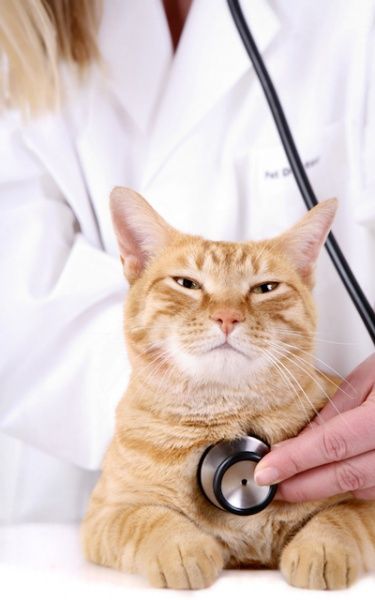
Diagnosing hyperthyroidism starts with a complete physical examination and a detailed medical history.
During the examination, your veterinarian may identify:
- Weight loss
- Rapid heart rate
- Enlarged thyroid gland
- High blood pressure
Blood tests are then performed to measure thyroid hormone levels, with Total T4 being the most commonly used screening test.
If the results are inconclusive, additional diagnostic tests may include:
- Free T4 testing
- T3 testing
- Comprehensive thyroid panels
- Thyroid scintigraphy (nuclear imaging) when appropriate
Additional laboratory testing is also recommended to evaluate kidney function, liver health, and other medical conditions before selecting the most suitable treatment option.
Treatment Options for Hyperthyroidism in Cats
Several effective treatments are available, and the best option depends on your cat’s overall health, lifestyle, and the severity of the disease.
1. Anti-Thyroid Medication
Anti-thyroid medications reduce the production of thyroid hormones and help keep hormone levels within a healthy range.
Although medication effectively manages the disease, it does not eliminate the underlying condition. Most cats require lifelong treatment together with regular blood tests to monitor thyroid levels and kidney function.
2. Radioactive Iodine Therapy (I-131)
Radioactive iodine therapy is widely recognised as the gold standard for treating feline hyperthyroidism.
A single injection selectively destroys abnormal thyroid tissue while preserving healthy thyroid cells. Many cats achieve a permanent cure after treatment.
This procedure is only available at specialised facilities and requires temporary hospitalisation to meet radiation safety guidelines.
3. Surgical Thyroidectomy
Surgery involves removing the affected thyroid gland and may offer a permanent solution for suitable patients.
Cats are usually stabilised with medication before surgery to reduce anaesthetic risks. Surgical treatment may not be appropriate for cats with certain heart conditions or other significant health concerns.
4. Prescription Low-Iodine Diet
A veterinary prescription low-iodine diet can help manage hyperthyroidism by reducing the amount of iodine available for thyroid hormone production.
Success depends on strict dietary compliance. Cats must consume only the prescribed food and avoid treats, table scraps, or other pet foods.
Can Hyperthyroidism Be Cured?
The possibility of a cure depends on the treatment chosen.
Anti-thyroid medication effectively controls the disease but usually requires lifelong administration. Radioactive iodine therapy and surgery can permanently resolve hyperthyroidism in many cats. Prescription low-iodine diets successfully manage the condition when followed exclusively and consistently.
What Is the Prognosis for Cats with Hyperthyroidism?
Most cats respond well to treatment, particularly when the disease is diagnosed before significant complications develop.
With appropriate medical care and regular monitoring, many cats continue to live comfortably for several years after diagnosis.
The long-term outlook depends on several factors, including kidney function, heart health, blood pressure, and any other underlying medical conditions. Early veterinary intervention remains the most effective way to achieve the best possible outcome.
How Starlight Veterinary Hospital Can Help
At Starlight Veterinary Hospital, we understand that subtle changes in your cat’s appetite, weight, or behaviour can sometimes indicate an underlying medical condition such as hyperthyroidism. Our experienced veterinary team provides comprehensive health assessments to identify the cause of these changes and recommend the most appropriate treatment plan.
We offer a range of diagnostic services, including comprehensive physical examinations, in-house laboratory testing, blood pressure monitoring, digital X-ray, ultrasound, and advanced CT imaging when clinically indicated. These facilities allow us to assess not only thyroid disease but also potential complications affecting the heart, kidneys, and other organs.
Managing hyperthyroidism often requires ongoing monitoring rather than a single visit. Our veterinarians will work closely with you to monitor your cat’s thyroid hormone levels, evaluate kidney function, adjust medications when necessary, and provide long-term support throughout treatment.
If your cat has been losing weight, eating excessively, becoming unusually active, or showing other signs of hyperthyroidism, don’t wait for the symptoms to worsen. Early diagnosis can make a significant difference in your cat’s health, comfort, and quality of life.
Book an appointment at Starlight Veterinary Hospital via Pet Universe App to schedule a consultation and let us give your feline companion the expert care they deserve.
FAQ
Unfortunately, Hyperthyroidism in Cats cannot be completely prevented because the exact cause is still unknown. However, regular health check-ups, routine blood tests for senior cats, and monitoring changes in appetite, weight, or behaviour can help detect the condition early and improve treatment outcomes.
No. Hyperthyroidism in Cats is not contagious and cannot spread to other cats, dogs, or people. The condition develops due to changes within the thyroid gland and is not caused by bacteria, viruses, or parasites.
Yes. Hyperthyroidism in Cats can lead to noticeable behavioural changes. Some cats become more active, restless, vocal, or irritable than usual, while others may seem anxious or have trouble relaxing. These changes often improve once thyroid hormone levels are properly managed.
Yes. Hyperthyroidism in Cats can develop in both indoor and outdoor cats. Living indoors does not eliminate the risk, although researchers continue to study whether environmental and dietary factors may contribute to the disease.
Hyperthyroidism in Cats is not generally considered a painful condition. However, the excessive thyroid hormones can make affected cats feel restless, uncomfortable, and constantly hungry. If left untreated, complications involving the heart, kidneys, or blood pressure may reduce your cat’s quality of life.
Yes. Hyperthyroidism in Cats commonly causes increased vocalisation. Many owners notice their cat meowing more frequently, especially at night. This happens because elevated thyroid hormone levels increase activity and stimulate the nervous system.
Yes, in some cases. Hyperthyroidism in Cats may lead to high blood pressure, which can damage the delicate blood vessels inside the eyes. Severe hypertension can cause retinal detachment and sudden blindness if left untreated. Prompt diagnosis and treatment help reduce this risk.
Yes. Hyperthyroidism in Cats can affect kidney function and may temporarily hide underlying kidney disease. Once thyroid hormone levels return to normal after treatment, previously undetected kidney disease may become more apparent. This is why veterinarians routinely monitor kidney values throughout treatment.
Hyperthyroidism in Cats can shorten a cat’s lifespan if left untreated, especially if complications such as heart disease or high blood pressure develop. With early diagnosis, appropriate treatment, and regular monitoring, many cats continue to live comfortably for several years.
Yes. Hyperthyroidism in Cats can sometimes be permanently treated with radioactive iodine therapy, which does not involve surgery. Medication and prescription diets can also successfully manage the condition, although these options usually require lifelong commitment.