



Why Is My Dog Not Eating? 12 Common Causes & When to Worry
Quick Answer
Dog not eating is one of the most common reasons pet owners seek veterinary advice. While some dogs may skip a meal occasionally, a sudden loss of appetite can also be an early sign of illness, pain, fever (pyrexia), or an underlying medical condition. Understanding why your dog not eating can help you decide when home monitoring is appropriate and when veterinary care is needed.
What Does It Mean When Your Dog Not Eating?
Dogs are usually enthusiastic eaters, so a sudden loss of appetite is often one of the first signs that something isn’t right.
Veterinarians refer to a reduced or complete loss of appetite as anorexia. Unlike the eating disorder in humans, anorexia in dogs simply means they are unwilling or unable to eat.
Loss of appetite isn’t a disease by itself. Instead, it’s a symptom that may indicate pain, illness, stress, infection, digestive problems, or other underlying medical conditions.
If your dog is also lethargic, vomiting, has diarrhea, or develops a fever (pyrexia), veterinary attention should be sought promptly.
What is Pyrexia in Dogs?

One common reason for a dog not eating is pyrexia, also known as fever. Dogs with a fever often feel tired, weak, and uncomfortable, making them less interested in food. If your dog not eating and also has a high temperature, lethargy, or shivering, prompt veterinary attention is recommended to identify the underlying cause.
A dog’s normal body temperature ranges from 38.3°C to 39.2°C (101°F–102.5°F). Temperatures above this range generally indicate fever.
Fever itself isn’t a disease, it is the body’s response to inflammation, infection, immune disorders, or certain cancers.
When dogs have a fever, they commonly lose interest in food because:
- They feel weak
- Their metabolism changes
- Nausea develops
- Body aches reduce appetite
- Infections make eating uncomfortable
Many dogs with pyrexia also become sleepy, less active, and seek quiet places to rest.
12 Common Reasons Your Dog Is Not Eating
1. Fever (Pyrexia)
Fever is among the most common medical reasons dogs stop eating.
It may develop because of:
- Bacterial infections
- Viral infections
- Tick-borne diseases
- Inflammation
- Immune-mediated disease
Other signs
- Warm ears
- Shivering
- Lethargy
- Panting
- Sleeping more
- Drinking more or less than usual
Veterinarians will investigate the underlying cause rather than simply treating the fever.
2. Gastrointestinal Upset
A simple upset stomach can temporarily reduce appetite.
Common causes include:
- Eating spoiled food
- Sudden diet changes
- Garbage ingestion
- Mild gastroenteritis
Dogs may also experience:
- Vomiting
- Diarrhea
- Nausea
- Lip licking
- Grass eating
Many mild cases improve with supportive care, but persistent vomiting requires veterinary assessment.
3. Dental Disease
A dog may want to eat but find chewing painful.
Dental problems include:
- Broken teeth
- Gum disease
- Tooth root abscesses
- Oral ulcers
Signs include:
- Bad breath
- Drooling
- Pawing at the mouth
- Chewing on one side
Dental disease becomes increasingly common with age.
4. Pain Anywhere in the Body
Pain reduces appetite.
Dogs experiencing arthritis, injuries, spinal problems, or abdominal pain may simply refuse food.
Some dogs appear hungry but walk away from the bowl after sniffing it.
5. Stress or Anxiety
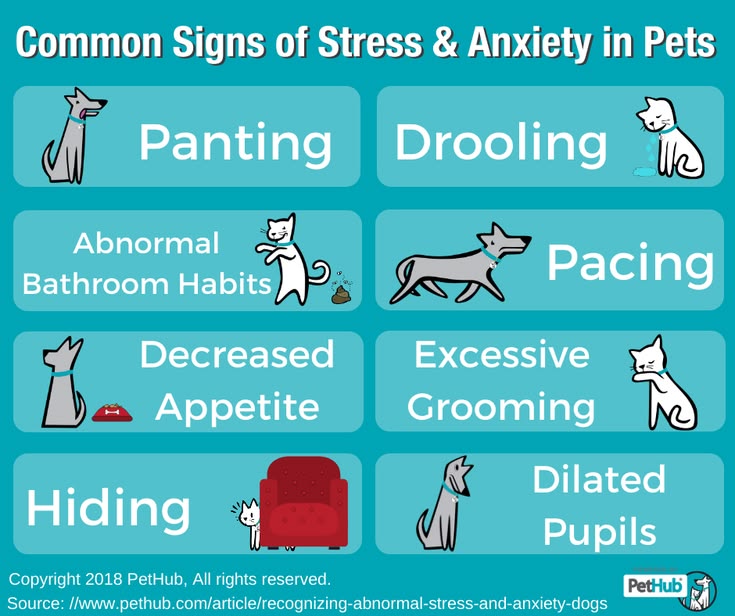
Dogs can temporarily stop eating after:
- Moving house
- Boarding
- Fireworks
- Thunderstorms
- New family members
- Travel
Stress-related anorexia is usually short-lived, but prolonged appetite loss should still be investigated.
6. Intestinal Blockage
Foreign objects such as:
- Toys
- Socks
- Bones
- Corn cobs
can become lodged in the digestive tract.
Symptoms include:
- Vomiting
- Abdominal pain
- Refusing food
- Restlessness
- Weakness
This is a true emergency.
7. Pancreatitis
Pancreatitis causes severe inflammation of the pancreas.
Dogs often develop:
- Sudden anorexia
- Vomiting
- Hunched posture
- Painful abdomen
- Fever
High-fat meals are one possible trigger.
8. Kidney Disease
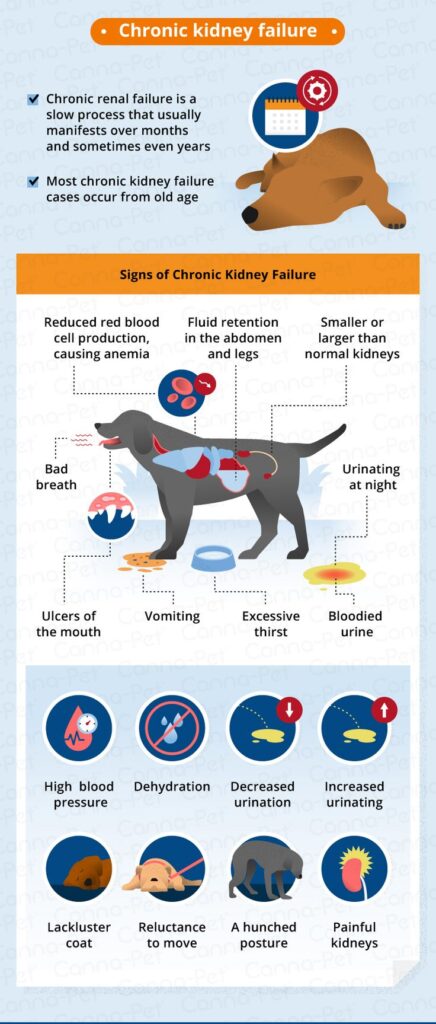
Kidney disease commonly causes:
- Nausea
- Weight loss
- Increased drinking
- Bad breath
- Vomiting
As toxins build up in the bloodstream, dogs gradually lose interest in eating.
9. Liver Disease
The liver performs hundreds of essential functions.
When it becomes diseased, dogs may develop:
- Poor appetite
- Vomiting
- Yellow gums
- Weight loss
- Lethargy
Blood testing is usually needed for diagnosis.
10. Poisoning
Many toxins reduce appetite rapidly.
Examples include:
- Chocolate
- Grapes
- Xylitol
- Human medications
- Toxic plants
- Household chemicals
Emergency treatment greatly improves outcomes.
11. Cancer
Some cancers produce inflammatory chemicals that suppress appetite.
Dogs may also experience:
- Weight loss
- Fatigue
- Persistent fever
- Lumps
- Difficulty breathing
Early diagnosis improves treatment options.
12. Serious Infectious Diseases
Diseases such as:
- Parvovirus
- Leptospirosis
- Tick fever
- Distemper
often begin with reduced appetite.
These illnesses frequently progress quickly and require immediate veterinary care.
Symptoms That Should Never Be Ignored
Seek veterinary attention immediately if your dog refuses food and also has:
- Fever
- Vomiting repeatedly
- Bloody diarrhea
- Collapse
- Difficulty breathing
- Pale gums
- Abdominal swelling
- Seizures
- Inability to stand
- Suspected poisoning
- Persistent pain
These signs may indicate a life-threatening emergency.
How Veterinarians Diagnose Loss of Appetite
Your veterinarian may recommend:
Physical examination
Checking temperature, hydration, pain, mouth, abdomen, and heart.
Blood tests
These help identify:
- Infection
- Kidney disease
- Liver disease
- Diabetes
- Inflammation
Urine testing
Useful for evaluating kidney function and urinary infections.
Imaging
Depending on the case, your veterinarian may recommend:
- X-rays
- Ultrasound
- CT scan
These help identify foreign bodies, tumors, internal injuries, or abdominal disease.
Treatment Depends on the Underlying Cause
Treatment varies depending on diagnosis.
It may include:
- Intravenous fluids
- Antibiotics
- Pain relief
- Anti-nausea medication
- Appetite stimulants
- Dental treatment
- Surgery
- Hospitalization
- Nutritional support
Simply encouraging a dog to eat without treating the cause often delays recovery.
What Can You Do at Home?
If your dog has skipped one meal but otherwise seems bright and active:
- Ensure fresh water is always available.
- Offer their regular food rather than constantly switching diets.
- Warm wet food slightly to enhance aroma.
- Avoid feeding large amounts of treats.
- Monitor for vomiting, diarrhea, lethargy, or pain.
- Keep your dog in a calm, quiet environment.
Never give human medications unless specifically instructed by your veterinarian.
When Should You Worry?
Contact a veterinarian immediately if:
- Your puppy refuses food for more than 12 hours.
- An adult dog hasn’t eaten for over 24 hours.
- Appetite loss is accompanied by vomiting or diarrhea.
- Your dog has a fever.
- They appear weak or collapse.
- They have swallowed something unusual.
- You suspect poisoning.
- Weight loss develops.
- Appetite repeatedly comes and goes.
The earlier the underlying problem is diagnosed, the better the chances of a successful recovery.
How to Prevent Appetite Loss
While not every cause is preventable, you can reduce the risk by:
- Keeping vaccinations current.
- Using year-round parasite prevention.
- Feeding a balanced diet.
- Scheduling routine health checks.
- Providing regular dental care.
- Preventing access to toxins.
- Supervising dogs around toys and bones.
- Avoiding sudden food changes.
Why Early Veterinary Care Matters
Loss of appetite is one of the earliest warning signs of many diseases.
Conditions such as pancreatitis, intestinal obstruction, severe infections, kidney disease, and poisoning often respond much better when diagnosed early.
Rather than waiting several days, seeking veterinary attention promptly can prevent complications and improve your dog’s chances of recovery.
Why Choose Starlight Veterinary Hospital?
At Starlight Veterinary Hospital, our veterinarians understand that appetite loss can signal anything from a mild illness to a life-threatening emergency.
We provide comprehensive diagnostic services to identify the cause quickly, including:
- Complete physical examinations
- In-house blood testing
- Digital X-rays
- Ultrasound
- CT Scan for complex cases
- 24-hour emergency and critical care
- Hospitalization with intensive monitoring
- Experienced veterinary team available around the clock
If your dog has stopped eating, especially when accompanied by fever, vomiting, weakness, or lethargy, early assessment can make a significant difference.
FAQ
A dog may skip a meal due to stress, a recent diet change, hot weather, or mild stomach upset. However, if your dog continues not eating for more than 24 hours or develops other symptoms, it’s best to see a veterinarian.
If your dog is drinking water but not eating, it could indicate nausea, dental pain, fever, digestive issues, kidney disease, or another underlying illness. Persistent appetite loss should be evaluated by a veterinarian.
Healthy adult dogs may tolerate 24–48 hours without food, but this is not recommended. Puppies, senior dogs, and dogs with medical conditions should be examined much sooner if they refuse food.
You should seek veterinary care if your dog has not eaten for more than 24 hours or is also showing vomiting, diarrhea, lethargy, fever, difficulty breathing, or signs of pain.
Yes. Dogs with pyrexia (fever) often lose their appetite because they feel weak, uncomfortable, and nauseous. Treating the underlying cause of the fever is essential.
Yes. Stress from moving, boarding, loud noises, travel, or changes in routine can temporarily reduce your dog’s appetite. If the loss of appetite persists, veterinary evaluation is recommended.
Puppies have higher energy needs than adult dogs. Refusing food can quickly lead to low blood sugar and dehydration, so a puppy that isn’t eating should be examined promptly.
Yes. Tooth fractures, gum disease, oral infections, and painful teeth can make chewing uncomfortable, causing your dog to avoid food.
It can be. Loss of appetite accompanied by repeated vomiting, bloody diarrhea, collapse, seizures, abdominal swelling, or suspected poisoning requires immediate veterinary attention.
10. What should I feed a dog not eating?
Offer your dog’s usual food first and ensure fresh water is available. Avoid constantly changing foods or giving excessive treats. If your dog continues refusing food, consult your veterinarian.
Yes. Intestinal parasites may cause reduced appetite, weight loss, vomiting, diarrhea, and poor body condition, especially in puppies.
Older dogs may stop eating due to dental disease, arthritis, kidney disease, liver disease, cancer, or other age-related illnesses. A veterinary examination is recommended.
Yes. Toxic foods, household chemicals, medications, and poisonous plants can cause sudden loss of appetite along with vomiting, drooling, tremors, or weakness. Seek emergency veterinary care immediately.
No. Force-feeding can increase stress and may cause choking or aspiration. It’s more important to identify and treat the underlying cause of the appetite loss.
Many dogs have a reduced appetite for 24–48 hours after surgery due to anesthesia, pain medication, or discomfort. If your dog refuses food longer than expected or appears unwell, contact your veterinarian.
Some dogs experience mild appetite loss for a day or two after vaccination. If the loss of appetite is severe or lasts longer than 48 hours, veterinary advice is recommended.
Some dogs may still appear happy despite feeling unwell. A wagging tail doesn’t always mean your dog is healthy, so monitor for other signs and seek veterinary care if appetite loss continues.
Yes. Dogs with pancreatitis often have a sudden loss of appetite along with vomiting, abdominal pain, lethargy, and sometimes fever. This condition requires prompt veterinary treatment.
A sudden loss of appetite may result from stomach upset, pain, infection, fever, intestinal blockage, poisoning, or other medical conditions. Sudden appetite loss should never be ignored, especially if accompanied by other symptoms.
Some mild cases caused by temporary stress or minor digestive upset may improve within a day. However, if your dog refuses food for more than 24 hours or shows additional signs of illness, veterinary care is necessary.