



Why Is My Cat Breathing Through Its Mouth? Causes & Emergency Signs
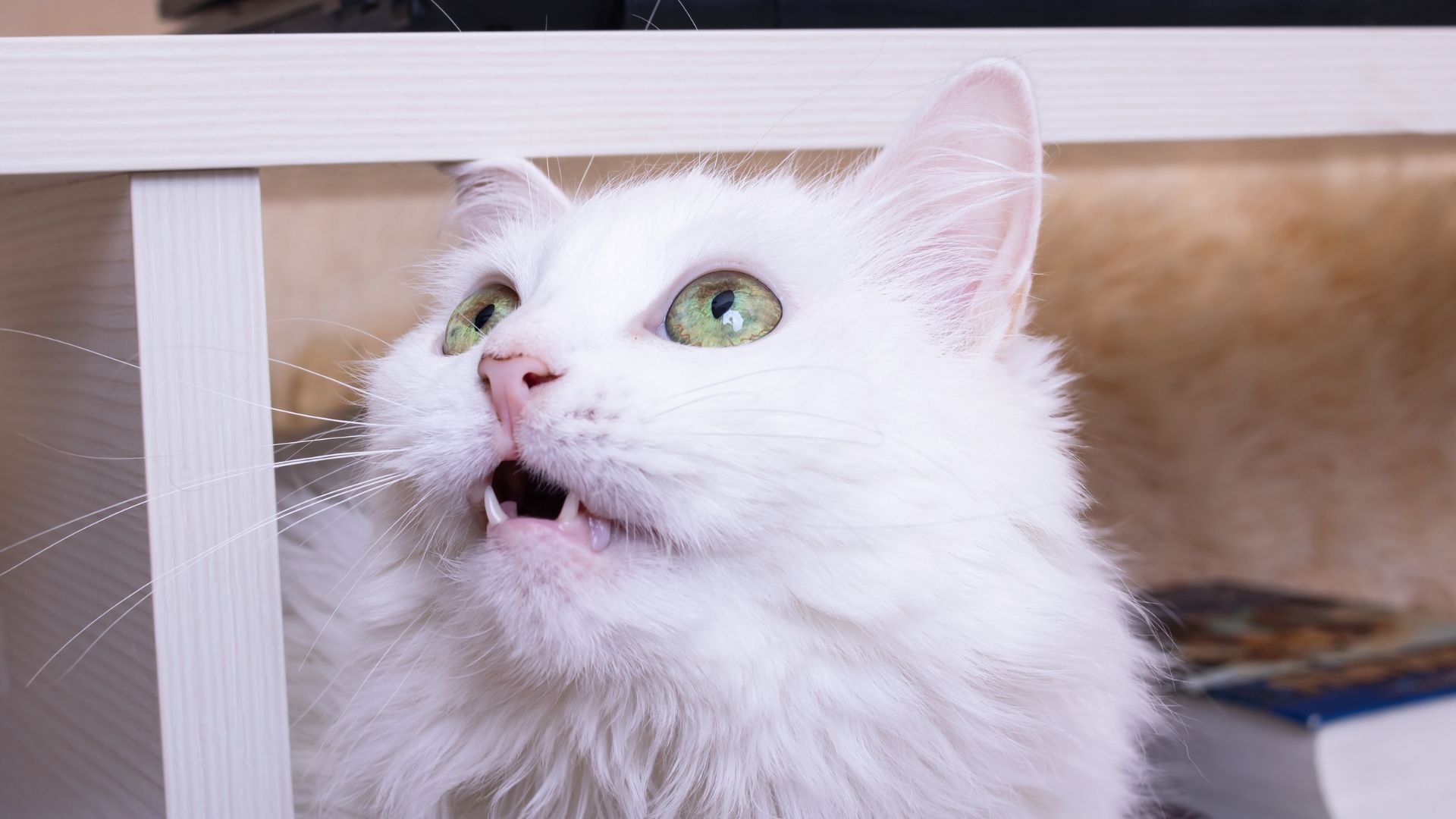
Cat breathing through mouth is almost never normal. Unlike dogs, healthy cats rarey pant or breathe with their mouths open. If your cat is breathing through its mouth, especially while resting, it may indicate difficulty getting enough oxygen due to respiratory disease, heart disease, overheating, stress, airway obstruction or another medical emergency. Prompt veterinary attention is essential, particularly if the episode lasts more than a few minutes or accompanied by blue gums, collapse or laboured breathing.
Key Takeaways
- Healthy cats usually breathe thrugh their noses, not their mouths.
- Open-mouth breathing is often a sign that your cat is struggling to breathe.
- Heatstroke, asthma, heart disease, pneumonia and airway blockages are among the most common causes.
- Blue or pale gums, rapid breathing, collapse or noisy breathing require immediate emergency care.
- Early diagnoses and treatment greatly improve your cat’s chances of recovery.
Why Is My Cat Breathing Through Its Mouth
If you have notcies your cat breathing through it’s mouth, it is understandable to feel worried. While dogs commonly pant to regulate their body temperayure, cats are not built to cool themselves this way. In most situations, open-mouth breathing means your cat is finding it difficult to breathe normally.
Is It Ever Normal for a Cat to Breathe Through Its Mouth?
Although uncommon, there are a few situations where temporary open-mouth breathing may be harmless.
These include:
- After very vigorous exercise
- During extremely stressful situations, such as a car journey
- Following intense play sessions
- Briefly after a frightening experience
In these cases, your cat should return to normal breathing within a few minutes once they have calmed down.
However, if mouth breathing continues, occurs while resting, or keeps happening repeatedly, it should never be ignored.
Signs That Your Cat Is Having Difficulty Breathing
Cats are masters at hiding illness, so breathing problems may become noticeable only when the condition has progressed.
Watch for signs such as:
- Breathing through an open mouth
- Fast or shallow breathing
- Laboured breathing with exaggerated chest or belly movement
- Noisy breathing (wheezing, rasping or snoring sounds)
- Neck stretched forward while breathing
- Elbows held away from the body
- Blue, grey, or pale gums
- Reluctance to move
- Weakness or collapse
- Restlessness or inability to settle
- Loss of appetite
What It Means
These signs indicate your cat may not be getting enough oxygen. Even if your cat seems alert, breathing difficulties can worsen rapidly and require urgent veterinary assessment.
10 Possible Causes of Cat Breathing Through Mouth
Feline Asthma
Feline asthma is one of the most common respiratory conditions in cats. It occurs when the airways become inflamed and narrowed, making it difficult for air to move in and out of the lungs.
Common signs include:
- Open-mouth breathing
- Wheezing
- Coughing
- Rapid breathing
- Episodes of respiratory distress
Asthma attacks can range from mild to life-threatening, depending on how severely the airways are affected.
Heart Disease
Heart disease can reduce the heart’s ability to pump blood effectively, causing fluid to accumulate around or inside the lungs.
When this happens, oxygen exchange becomes more difficult, forcing your cat to work harder to breathe.
Other symptoms may include:
- Tiring easily
- Weakness
- Lost of appetite
- Cold limbs
- Sudden collapse
- Rapid breathing while resting
Heart disease often develops gradually, and breathing problems may be one of the first noticeable signs. Immediate veterinary care is needed if breathing suddenly becomes difficult.
Pneumonia
Pneumonia is an infection or inflammation of the lungs that prevents normal oxygen exchange.
Possible causes include:
- Bacterial infections
- Viral infections
- Fungal infections
- Aspiration of food or liquid
Cats with pneumonia often develop:
- Heavy breathing
- Fever
- Lethargy
- Reduced appetite
- Nasal discharge
- Coughing
Severe cases may require hospitalization and oxygen therapy.
Pleural Effusion
Pleural effusion refers to fluid building up around the lungs rather than inside them.
As the fluid increases, the lungs cannot fully expand, making every breath more difficult.
Causes include:
- Heart disease
- Cancer
- Infection
- Trauma
- Chylothorax
Cats with pleural effusion often sit upright with their neck extended because lying down becomes uncomfortable.
Upper Airway Obstruction
Anything that blocks airflow through the nose, throat or windpipe can cause open-mouth breathing.
Examples include:
- Foreign objects
- Severe swelling
- Polyps
- Tumours
- Trauma
- Allergic reactions
Some cats may also produce loud breathing noises or appear to choke.
Heatstroke
Cats are less likely than dogs to overheat but heatstroke can still occur especially in hot, poorly ventilated environments.
Signs include:
- Panting or mouth breathing
- Bright red gums
- Drooling
- Weakness
- Vomiting
- Collapse
Heatstroke is an emergency that can quickly damage multiple organs.
Stress and Anxiety
A stressful event may occasionally cause temporary panting.
Example include:
- Travelling
- Veterinary visits
- Loud noises
- Introduction to unfamiliar pets
If stress is the only cause, breathing should return to normal shortly after your cat relaxes.
Persistent mouth breathing should always be invetigated to rule out an underlying medical condition.
Pain
Cats experiencing severe pain may breathe faster or through their mouths.
Pain may result from:
- Injuries
- Broken bones
- Surgery
- Internal disease
- Trauma
Because cats naturally hide pain, changes in breathing may be one of the few visible signs.
Anaemia
Anaemia reduces the number of red blood cells available to carry oxygen around the body.
To compensate, your cat breathes faster in an attempt to deliver more oxygen to vital organs.
Other signs include:
- Pale gums
- Weakness
- Tiredness
- Reduced appetite
Cancer
Certain cancers affecting the ungs or chest cavity can interfere with breathing.
Tumours may:
- Occupy space within the lungs
- Compress the airways
- Cause fluid accumulation around the lungs
Although cancer is less common than infections or asthma, it remains an important possibility, especially in older cats.
When Is Cat Breathing Through Mouth an Emergency?
Some situations require immediate veterinary attention.
Seek emergency care immediately if your cat:
- Is breathing through its mouth while resting
- Has blue, purple, white, or grey gums
- Is breathing rapidly even when sleeping
- Cannot settle comfortably
- Makes loud wheezing or gasping sounds
- Collapses
- Becomes unconscious
- Stops eating and becomes weak
- Has suffered trauma, such as being hit by a car
- Shows worsening breathing despite resting
What It Means
Breathing emergencies can deteriorate within minutes. Delaying treatment may reduce oxygen delivery to the brain and other vital organs, increasing the risk of permanent damage or death.
What Should You Do If Your Cat Is Breathing Through Its Mouth?
If you notice your cat breathing through its mouth:
- Stay calm and avoid causing additional stress.
- Move your cat to a cool, quiet and well-ventilated room.
- Do not force food or water.
- Avoid excessive handling, as struggling increases oxygen demand.
- Contact your veterinarian immediately.
- Transport your cat carefully in a secure carrier.
Never assume your cat is simply panting like a dog. In most cases, open-mouth breathing in cats should be treated as an urgent medical problem.
How Do Veterinarians Diagnose the Cause of Cat Breathing Through Mouth?
When a cat arrives at the veterinary hospital with breathing difficulties, stabilising the patient is always the first priority. As breathing problems can worsen quickly, your veterinarian may provide oxygen before performing extensive examinations.
Once your cat is stable, several tests may be recommended to identify the underlying cause.
Physical Examination
Your veterinarian will first assess your cat’s overall condition by checking:
- Breathing rate and effort
- Heart rate and rhythm
- Gum colour
- Body temperature
- Lung and heart sounds using a stethoscope
- Signs of pain, injury or dehydration
These findings help determine whether the problem is more likely related to the lungs, heart, upper airway or another body system.
Blood Tests
Blood tests provide valuable information about your cat’s overall health and can help identify conditions contributing to breathing difficulties.
Your veterinarian may recommend tests to evaluate:
- Red and white blood cell counts
- Infection or inflammation
- Anaemia
- Organ function
- Electrolyte imbalances
If an infection is suspected, additional laboratory testing may be performed to determine the most appropriate treatment.
Chest X-rays
Chest radiographs are one of the most important diagnostic tools for cats with breathing problems.
They allow veterinarians to assess:
- Lung disease
- Pneumonia
- Fluid around the lungs
- Enlarged heart
- Tumours
- Broken ribs following trauma
X-rays provide a clear picture of what is happening inside the chest and often help narrow down the cause.
Ultrasound
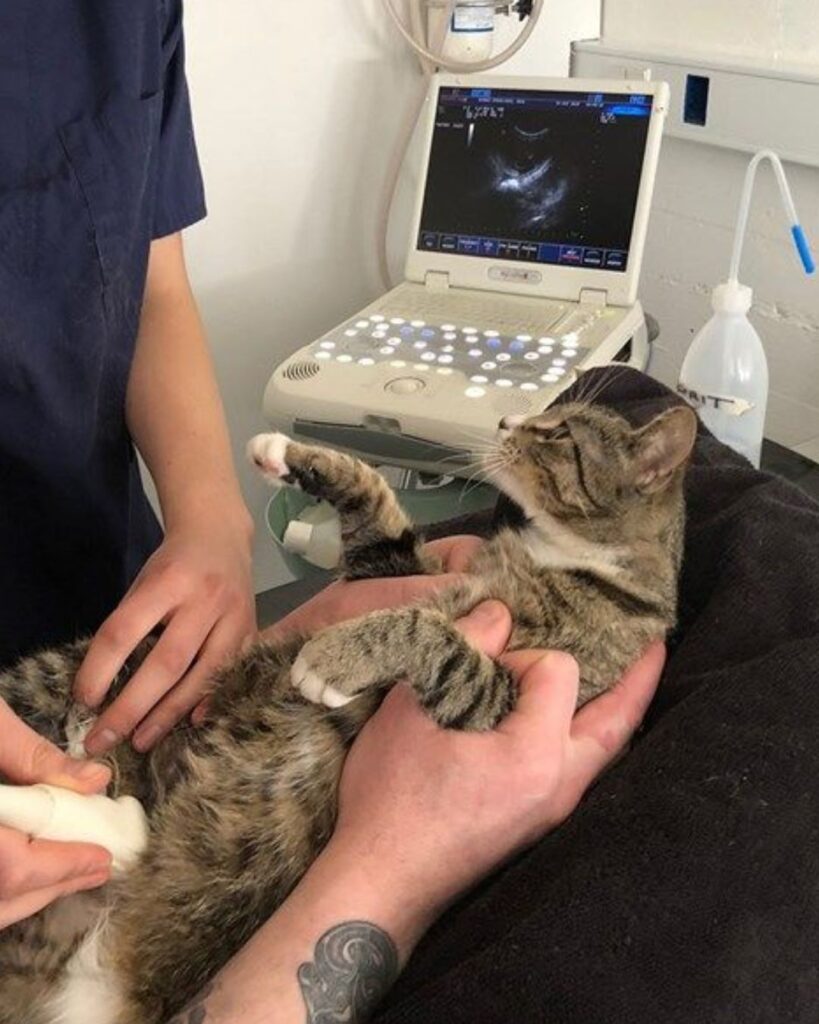
An ultrasound may be recommended to evaluate the heart or detect fluid within the chest cavity.
This test is especially useful for diagnosing:
- Heart disease
- Pleural effusion
- Certain masses or tumours
Because ultrasound produces real-time images, it can often identify problems that may not be fully visible on X-rays alone.
Advanced Imaging
For more complex cases, advanced imaging such as a CT scan may be recommended.
CT imaging provides detailed three-dimensional views of the chest, airways, and surrounding structures. It can help detect:
- Airway obstructions
- Lung masses
- Nasal disease
- Chest abnormalities
- Trauma-related injuries
This level of detail is particularly helpful when planning treatment or surgery.
How Is Cat Breathing Through Mouth Treated?
Treatment depends entirely on the underlying cause. Since open-mouth breathing is a symptom rather than a disease, identifying the reason behind it is essential for successful management.
Oxygen Therapy
Many cats with breathing difficulties benefit from oxygen supplementation while diagnostic tests are being performed.
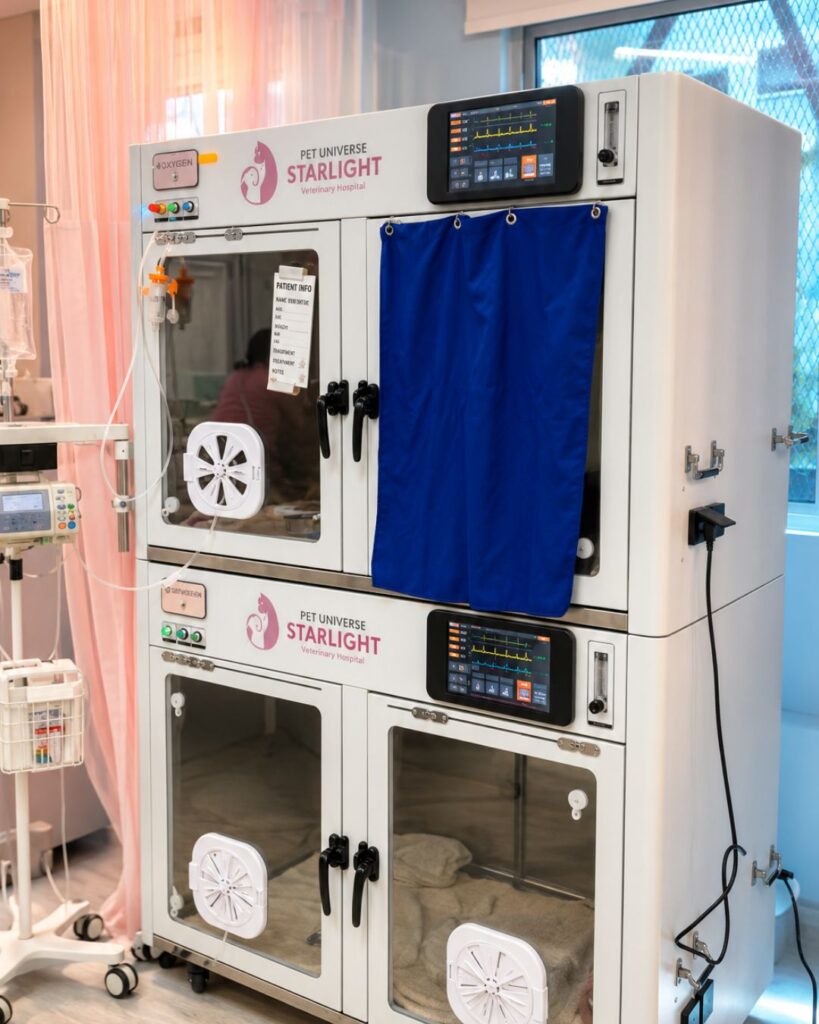
Oxygen therapy helps by:
- Increasing oxygen levels in the blood
- Reducing the effort required to breathe
- Improving comfort
- Stabilising critically ill patients
Some cats may only require oxygen for a short period, while others need prolonged intensive care.
Medications
Different medications may be prescribed depending on the diagnosis.
Examples include:
| Condition | Possible Treatment |
| Feline asthma | Bronchodilators and anti-inflammatory medications |
| Pneumonia | Antibiotics or antifungal medications, depending on the cause |
| Heart disease | Heart medications and diuretics |
| Allergic reactions | Anti-inflammatory medication and supportive care |
| Pain | Appropriate pain relief |
Your veterinarian will tailor the treatment plan based on your cat’s specific condition and overall health.
Removing Fluid Around the Lungs
If fluid has accumulated around the lungs (pleural effusion), your veterinarian may recommend a procedure called thoracocentesis.
This involves carefully removing excess fluid from the chest cavity using a sterile needle.
Removing the fluid allows the lungs to expand more normally and often provides rapid relief from breathing distress.
Surgery
Some conditions require surgical treatment.
Examples include:
- Removing foreign objects
- Correcting airway obstructions
- Removing certain tumours
- Repairing traumatic injuries
The need for surgery depends on the underlying diagnosis and your cat’s overall stability.
Can You Treat Cat Breathing Through Mouth at Home?
No.
Open-mouth breathing should never be treated at home without veterinary assessment.
While you can help keep your cat calm during transport, home remedies cannot correct problems such as:
- Pneumonia
- Heart failure
- Severe asthma attacks
- Airway obstruction
- Fluid around the lungs
- Heatstroke
Delaying treatment may allow the condition to worsen rapidly.
What You Can Do Before Reaching the Vet
While arranging veterinary care:
- Keep your cat as calm as possible.
- Place them in a quiet, well-ventilated area.
- Minimise handling, as stress can increase oxygen demand.
- Transport them in a secure carrier.
- Avoid forcing food, water, or medication unless instructed by your veterinarian.
Can Cat Breathing Through Mouth Be Prevented?
Not every case can be prevented, but there are steps you can take to reduce your cat’s risk of developing serious breathing problems.
Schedule Regular Health Checks
Routine veterinary examinations can detect heart disease, respiratory conditions, and other illnesses before they become severe.
Keep Vaccinations Up to Date
Vaccinations help protect against infectious diseases that can affect your cat’s respiratory system.
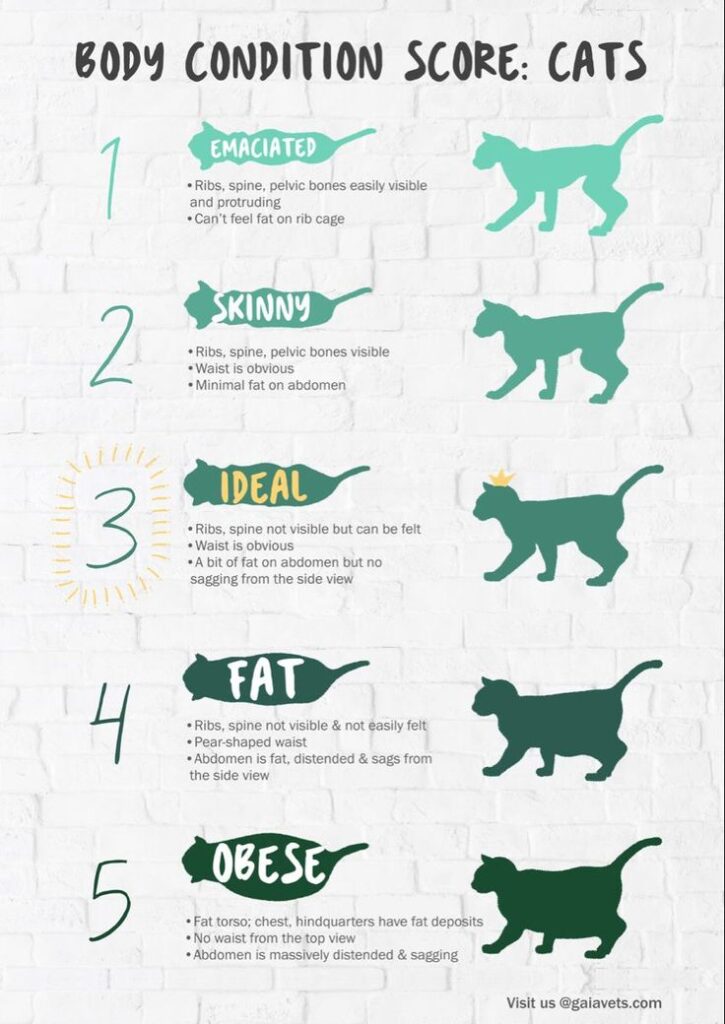
Maintain a Healthy Weight
Obesity places extra strain on the heart and lungs, making breathing more difficult if illness develops.
Reduce Environmental Irritants
Strong fragrances and airborne irritants may worsen respiratory disease.
Try to minimise exposure to:
- Cigarette smoke
- Aerosol sprays
- Dust
- Strong cleaning chemicals
- Scented candles
Keep Your Cat Indoors During Extreme Heat
Although cats tolerate heat better than dogs, they can still suffer from overheating.
Provide:
- Fresh drinking water
- Shade
- Good ventilation
- A cool indoor environment during hot weather
When Should You Visit an Emergency Vet?
Breathing difficulties should never be ignored.
Seek immediate veterinary care if your cat:
- Is breathing through an open mouth
- Breathes rapidly while resting
- Shows blue, grey, or pale gums
- Collapses or becomes extremely weak
- Appears distressed or panicked
- Has suffered trauma
- Suddenly develops breathing problems
- Is unable to lie comfortably
- Stops eating while breathing heavily
The earlier treatment begins, the better the chances of a successful recovery.
Why Choose Starlight Veterinary Hospital?
Breathing emergencies require rapid assessment and immediate treatment.
At Starlight Veterinary Hospital, our team is equipped to manage cats experiencing respiratory distress with comprehensive emergency and critical care services.
Our facilities include:
- 24/7 Emergency Veterinary Care
- Intensive Care Unit (ICU)
- Oxygen Chamber Therapy
- Digital X-ray
- Ultrasound
- CT Scan
- Advanced Laboratory Diagnostics
- Continuous Patient Monitoring
- Experienced Emergency Veterinarians and Veterinary Nurses
If your cat is breathing through its mouth, our emergency team can quickly stabilise your pet, identify the underlying cause and provide the appropriate treatment without delay.
No. Cat breathing through mouth is usually not normal. Unlike dogs, healthy cats rarely breathe through their mouths. If your cat is doing this while resting or for more than a few minutes, it should be examined by a veterinarian.
Cat breathing through mouth while resting may indicate a serious medical condition such as asthma, heart disease, pneumonia, fluid around the lungs, or an airway obstruction. This is considered an emergency and should be assessed as soon as possible.
There are many possible causes of cat breathing through mouth, including feline asthma, heart disease, respiratory infections, pneumonia, heatstroke, severe stress, pain, anaemia, airway blockages, and chest trauma.
In most cases, yes. Cat breathing through mouth is often a sign that your cat is struggling to get enough oxygen. Immediate veterinary attention is recommended, especially if your cat also has blue gums, rapid breathing, or weakness.
Yes, temporary cat breathing through mouth can occur after a stressful event such as travelling or a veterinary visit. However, breathing should return to normal within a few minutes. If it continues, your cat should be examined by a veterinarian.
Yes. During an asthma attack, inflammation narrows the airways, making it difficult for air to pass through the lungs. This can result in cat breathing through mouth, coughing, wheezing, and laboured breathing.
If you notice cat breathing through mouth, keep your cat calm, minimise handling, and contact your veterinarian immediately. Do not wait to see if the problem improves on its own.
Yes. Heart disease can lead to fluid buildup in or around the lungs, making breathing difficult. Cat breathing through mouth may be one of the first signs that emergency treatment is needed.
To determine the cause of cat breathing through mouth, your veterinarian may perform a physical examination, blood tests, chest X-rays, ultrasound, CT scan, and other diagnostic tests depending on your cat’s condition.
Yes. Treatment for cat breathing through mouth depends on the underlying cause. Options may include oxygen therapy, medications, fluid removal from the chest, surgery, or intensive care for severe cases.
No. Cat breathing through mouth should never be treated at home without veterinary advice. Because it often indicates a serious medical problem, delaying treatment may put your cat’s life at risk.
If cat breathing through mouth occurs briefly after intense exercise or stress, it may resolve once your cat has calmed down. However, persistent or recurring episodes should always be evaluated by a veterinarian.
While not all causes can be prevented, regular veterinary check-ups, maintaining a healthy weight, keeping vaccinations up to date, and reducing exposure to respiratory irritants may lower the risk of conditions that lead to cat breathing through mouth.