



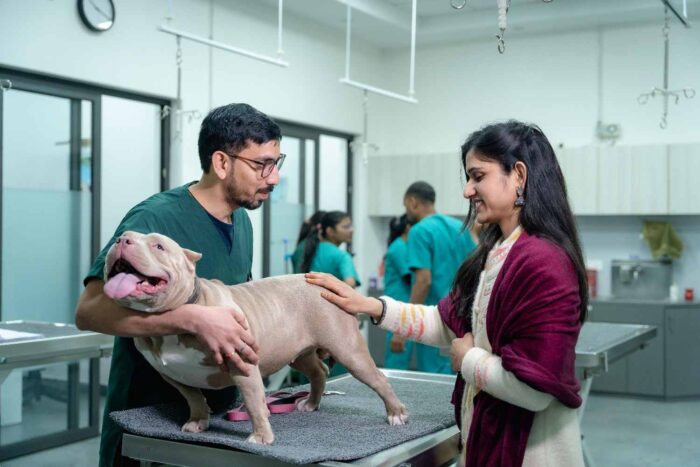
Rabies Vaccination for Cats and Dogs: Timing, Boosters and Records
Rabies vaccination helps protect dogs and cats against a serious and fatal viral disease. Whether vaccination is legally required or clinically recommended may depend on the pet’s location, local authority requirements, current rabies-control orders and travel plans.
This guide explains when rabies vaccination may be given, how booster timing is determined and which records pet owners should retain.
The Legal Position on Rabies Vaccination in Malaysia
Rabies vaccination requirements may differ according to the state, local authority, current rabies-control measures and whether an animal is travelling or being moved between areas. Pet owners should not assume that the same requirements apply throughout Malaysia.
Dogs may also be subject to local licensing requirements, while separate conditions may apply to animals travelling domestically or internationally. Owners should confirm current legal and licensing requirements with the relevant government or local authority.
From a clinical perspective, our veterinarians can assess whether rabies vaccination is appropriate based on the pet’s health, location, lifestyle and potential exposure risk. Vaccinations administered at STARLiGHT Veterinary Hospital are recorded in the patient’s medical record.
Vaccination Schedule and Boosters for Dogs and Cats
The exact timing of a rabies dose depends on your pet’s age, species, and vaccination history, and our veterinarians will confirm the schedule that fits your individual pet after an examination. In general terms, the schedule looks like this:
General Timing Guide for Puppies, Kittens, and Adult Pets
- A first rabies dose is commonly given from around 12 weeks of age, although the exact timing depends on the vaccine used, the pet’s health and any applicable requirements.
- The timing of subsequent boosters depends on the vaccine’s approved duration of immunity, product instructions and any applicable legal or travel requirements.
- If a rabies vaccination has become overdue, bring your pet’s previous vaccination records for review. The veterinarian will determine the appropriate next dose based on the vaccine history and product used. Additional rules or waiting periods may apply when vaccination validity has lapsed for travel or regulatory purposes.
- Vaccinations administered at STARLiGHT are recorded in the patient’s medical record. Owners should retain their pet’s vaccination booklet or certificate and check the recorded due date for the next vaccination.
- Vaccination and documentation requirements vary between countries, transport providers and boarding facilities. Some may require a valid rabies vaccination certificate, microchip, rabies antibody test or other official documentation within a specified timeframe. Check the relevant requirements well before travelling or booking boarding.
Because timing varies by individual pet and by vaccine, this list is a general guide rather than a substitute for an examination. Bring your pet’s vaccination booklet to any appointment so our veterinarians can confirm exactly where they are in the schedule.
Core Vaccines and Where Rabies Fits
Rabies vaccination is considered core in areas where rabies is endemic or where vaccination is required by applicable laws or regulations. In other circumstances, the recommendation may depend on the pet’s location, lifestyle, exposure risk and travel plans.
Because the rabies situation and applicable requirements may differ between regions, our veterinarians assess each pet individually before recommending vaccination. You can read more on our cat and dog vaccination service page.
Core Versus Non-Core Vaccines
Non-core vaccines, by contrast, are offered based on an individual pet’s lifestyle and exposure risk, such as boarding, outdoor access, or contact with other animals. Our veterinarians assess each pet individually before recommending anything beyond the core set.
When Rabies Vaccination May Be Recommended for Cats
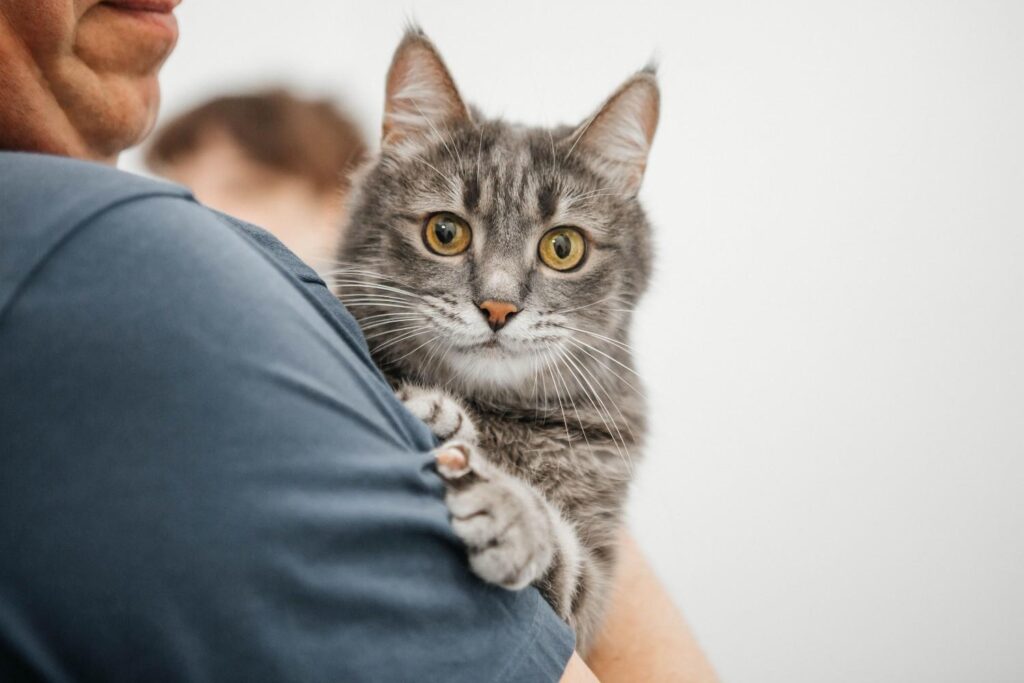
Whether rabies vaccination is recommended for a cat depends on factors such as the local rabies situation, applicable requirements, outdoor access, potential contact with unknown animals and travel plans. Indoor-only cats generally have fewer opportunities for exposure, but unexpected contact may still occur if a cat escapes or encounters another animal. Rabies vaccination for cats is not currently mandated under Malaysian law, as cats have historically not been identified as a significant vector in local rabies transmission, though this can change if the local rabies situation shifts.
Our veterinarians will assess your cat’s health, lifestyle and potential exposure risk before advising whether rabies vaccination is appropriate.
If a Pet Has Been Bitten or Scratched by an Unknown Animal
A bite or scratch from an animal of unknown vaccination status is a reason to seek veterinary attention promptly so your pet can be examined and assessed. STARLiGHT Veterinary Hospital provides 24-hour emergency veterinary care in Ampang Jaya for situations like this, alongside routine and preventive appointments.
Our team will assess the wound, check your pet’s vaccination record, and advise on next steps based on the specific circumstances. This is a clinical assessment made after examination, not a recommendation that can be given remotely.
What to Expect After a Rabies Vaccination
Most dogs and cats tolerate a rabies vaccination well, and any reaction is typically mild, such as brief tenderness at the injection site or a quieter day afterwards. Our veterinarians will explain what to watch for after your pet’s appointment and how to get in touch if you have any concerns.
Keeping your pet calm and allowing them to rest for the remainder of the day after vaccination is a sensible general precaution. If anything about your pet’s behaviour after vaccination concerns you, contact our hospital and our team will advise you on next steps.
How Rabies Spreads
For a closer look at how the rabies virus spreads between animals and the stages of illness it causes, see our earlier article on how rabies spreads and when symptoms appear.
This vaccination guide focuses on the legal position, the schedule, and boosters rather than repeating that material.
Booking a Rabies Vaccination Appointment in Ampang Jaya
Whether your pet is due for a first dose, a booster, or simply needs their record checked before travel or boarding, our team can confirm what is needed at a routine appointment. There is no need to wait for a symptom or a problem before booking a vaccination check, since this is preventive rather than emergency care.
If you would like to check your pet’s rabies vaccination status or book an appointment, our team at STARLiGHT Veterinary Hospital in Ampang Jaya can confirm what is due and set up a suitable time. You can reach us through our contact page, and non-emergency appointments can also be scheduled through the Pet Universe App.
Frequently Asked Questions
When should my puppy or kitten get their first rabies vaccination?
A first rabies dose is usually given from around 12 weeks of age for both puppies and kittens. Your veterinarian will confirm the exact timing based on your pet’s health and any earlier vaccinations they have already received.
How often does my pet need a rabies booster?
Booster timing depends on the vaccine’s approved duration of immunity, product instructions and any applicable legal or travel requirements. Bring your pet’s previous vaccination records so the veterinarian can determine when the next dose is due.
Do I need a rabies vaccination record to travel with my pet or book boarding?
Requirements vary according to the destination, transport provider and boarding facility. Some may require a valid rabies vaccination certificate and additional documentation. Check the applicable requirements well in advance and bring all available vaccination records to your veterinary appointment.
My cat never goes outside. Does she still need a rabies vaccination?
It depends on her individual circumstances, and our veterinarians will assess this with you. Indoor cats carry a lower risk than cats with outdoor access, but contact with other animals can still happen unexpectedly, so an examination helps decide what is appropriate.