



Why Is My Cat’s Eye Swollen? Causes & Emergency Treatment
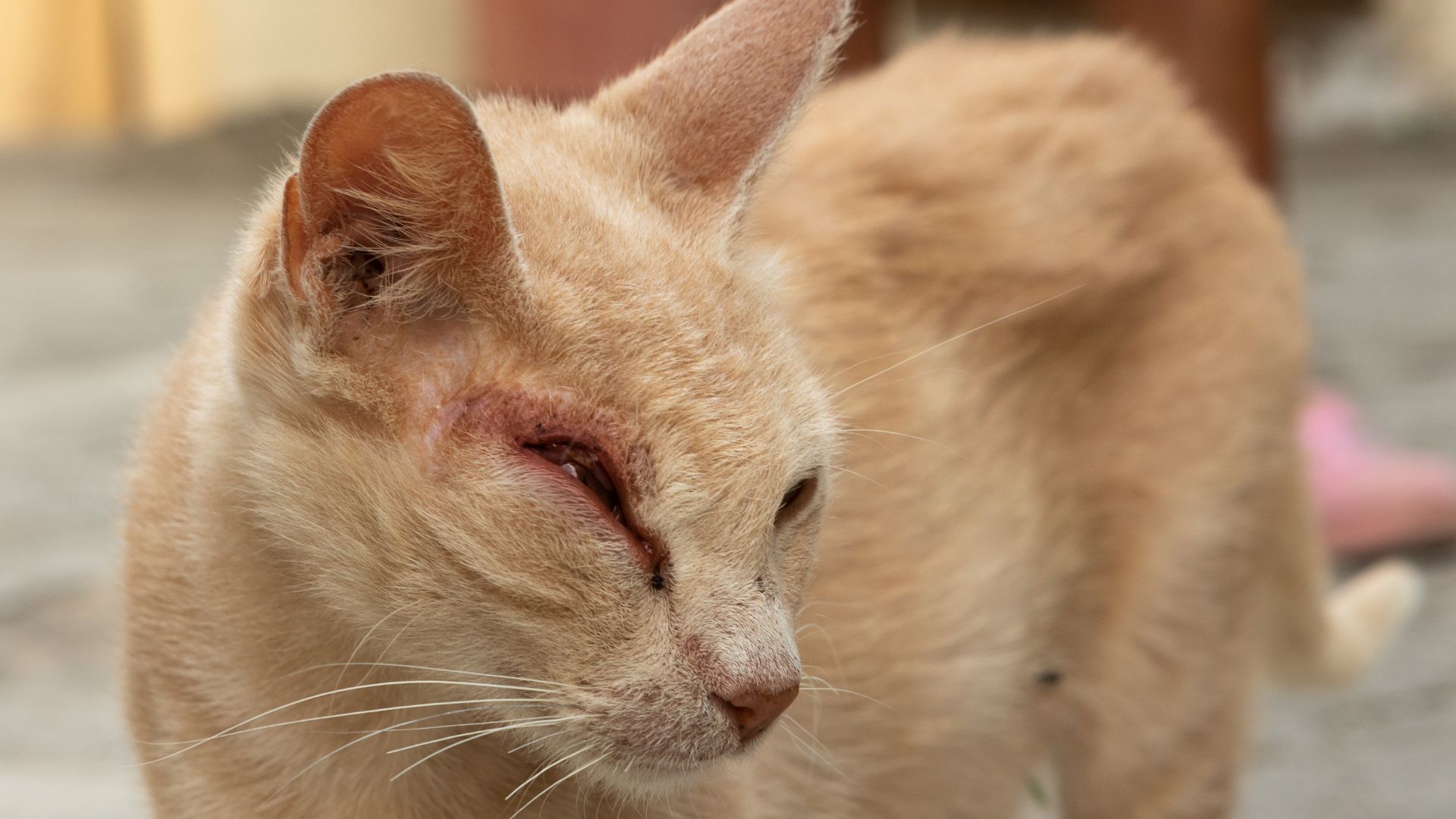
Seeing your cat with a swollen, red, or partially closed eye can be worrying. Eye problems in cats can develop for many reasons, ranging from mild irritation to infections, injuries, or more serious conditions that require urgent veterinary treatment.
If your cat’s eye is swollen, it is important to pay attention to other symptoms such as redness, discharge, excessive tearing, squinting, cloudiness, or changes in behaviour. Cats may also paw at the affected eye or avoid bright areas when the eye is painful.
Some eye conditions can worsen quickly, so knowing what may be causing the swelling and recognising emergency signs can help protect your cat’s vision and overall health.
Quick Answer: Why Is My Cat’s Eye Swollen?
A cat’s eye may become swollen because of inflammation, infection, injury, allergies, a foreign object, conjunctivitis, corneal damage, glaucoma, or other eye conditions.
Mild swelling should still be monitored carefully. However, sudden or severe swelling, significant pain, cloudiness, bleeding, trauma or changes in the appearance of the eye should be assessed by a veterinarian promptly.
What Does a Swollen Eye in Cats Look Like?
A swollen eye does not always mean that the eyeball itself is enlarged. The swelling may involve the eyelids, tissues surrounding the eye, conjunctiva, or structures inside the eye.
You may notice:
- Puffy or enlarged eyelids
- Redness around or inside the eye
- Squinting or keeping one eye closed
- Excessive tearing
- Yellow, green, clear, or blood-tinged discharge
- A cloudy or bluish appearance
- Visible third eyelid
- Pawing or rubbing at the face
- Sensitivity to light
- One eye appearing larger or more prominent than the other
Changes in appetite, activity or behaviour can also occur when an eye problem is painful.
Why Is My Cat’s Eye Swollen? Common Causes
There is no single explanation for eye swelling in cats. Determining the cause often requires a veterinary examination because several eye conditions can initially look very similar.
1. Conjunctivitis
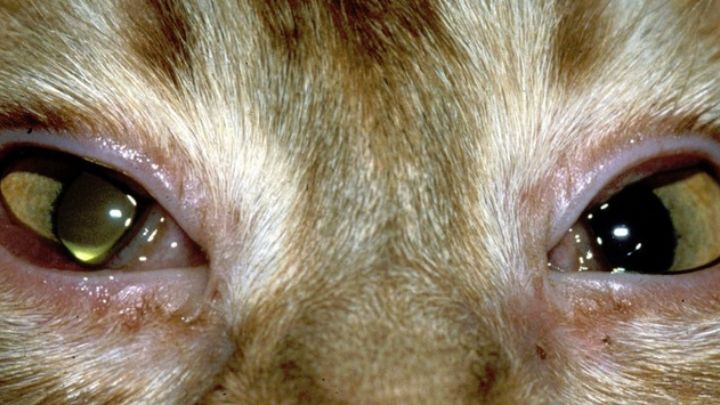
Conjunctivitis is inflammation of the conjunctiva, the thin tissue lining the inside of the eyelids and covering part of the eye.
A cat with conjunctivitis may have redness, swollen tissues, watery eyes, discharge or frequent squinting. One or both eyes may be affected.
Conjunctivitis can have several underlying causes, including infectious diseases, irritation and other eye conditions. Because treatment depends on the cause, recurring or persistent conjunctivitis should be investigated rather than repeatedly treated at home.
2. Blepharitis
Blepharitis refers to inflammation of the eyelids. When this happens, the eyelids may become swollen, red, itchy or painful.
Some cats may develop crusting, discharge or hair loss around the affected area. Blepharitis may be associated with infections, allergies, trauma, immune-mediated conditions or other skin and eye problems.
Severe swelling can make it difficult for a cat to open the affected eye normally.
3. Eye Infections
Eye infections can cause swelling, redness and discharge. Viral infections are an important consideration in cats, particularly when eye symptoms occur alongside sneezing, nasal discharge or other respiratory signs.
Bacterial infection may also occur, including secondary infection when the surface of the eye or surrounding tissues have already been irritated or damaged.
The appearance of the discharge alone is not enough to identify the exact cause, which is why veterinary assessment may be necessary.
4. Eye Injury or Trauma
Cats can injure their eyes while playing, fighting, exploring outdoors or accidentally hitting objects around the home.
Scratches from another animal are particularly concerning because even a small injury can damage the cornea.
Signs of an eye injury may include sudden swelling, squinting, redness, excessive tearing, bleeding or reluctance to let you touch the face.
Eye trauma should be taken seriously, especially when the eye suddenly looks different after a fight, fall or accident.
5. Foreign Objects
Dust, plant material, dirt, hair and other small particles can become trapped around the eye or underneath the eyelids.
A foreign object may cause sudden irritation, tearing, redness and squinting. Your cat may repeatedly rub the eye because of the discomfort.
Continued rubbing can potentially damage the cornea, so persistent symptoms should be assessed by a veterinarian.
Avoid trying to remove anything that appears embedded in the eye.
6. Corneal Ulcers
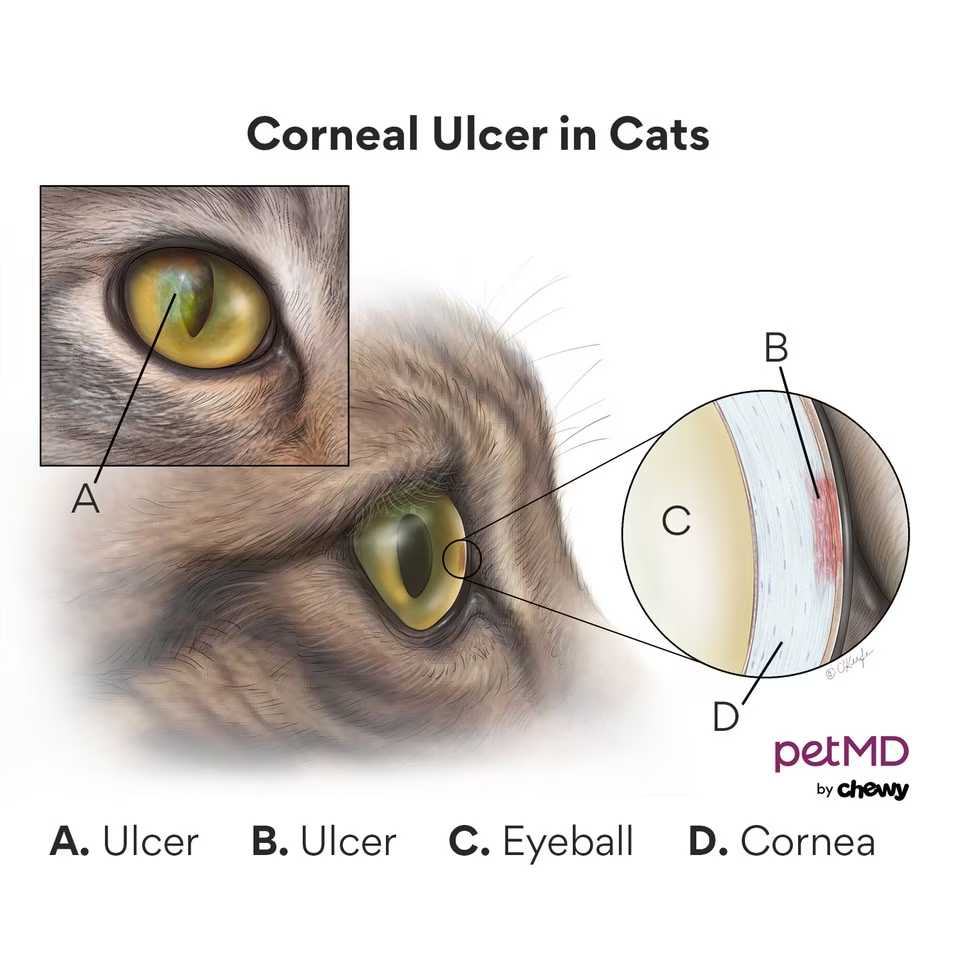
The cornea is the transparent outer surface at the front of the eye. Damage to this layer can result in a corneal ulcer.
Corneal ulcers can be painful. Cats may keep the affected eye closed, squint frequently, produce excessive tears or avoid bright light. The eye may also appear cloudy or inflamed.
Ulcers can vary in severity. Deeper or complicated ulcers can threaten the integrity of the eye, making early diagnosis and appropriate treatment important.
7. Allergic Reactions and Irritation
Environmental irritants may sometimes contribute to inflammation around a cat’s eyes. Household sprays, dust, smoke or other substances can irritate sensitive tissues.
Swelling caused by irritation may be accompanied by watering or redness.
However, because similar symptoms occur with infections and other eye diseases, persistent swelling should not automatically be assumed to be an allergy.
8. Glaucoma
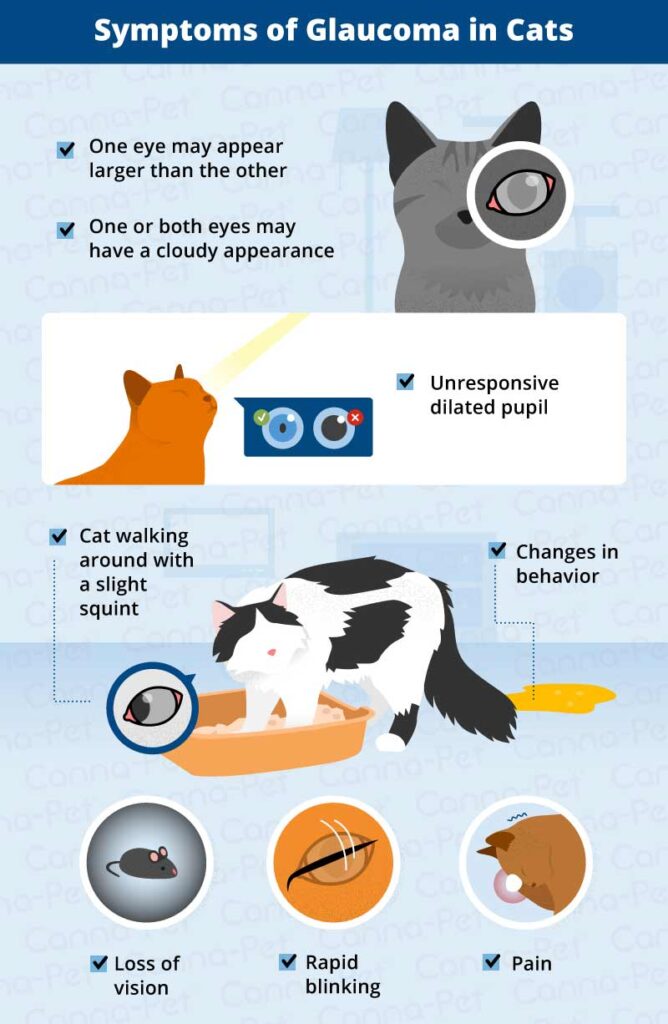
Glaucoma occurs when pressure inside the eye becomes abnormally high. It is a serious condition because prolonged increased pressure can damage important structures within the eye and affect vision.
Possible signs include:
- Redness
- Eye pain
- Cloudiness
- An enlarged or bulging-looking eye
- Changes in pupil size
- Reduced vision
Suspected glaucoma requires prompt veterinary assessment.
9. Uveitis
Uveitis is inflammation affecting structures inside the eye. It can cause significant discomfort and may sometimes be associated with underlying diseases elsewhere in the body.
A cat with uveitis may develop redness, squinting, cloudiness, tearing or changes in pupil appearance.
Because uveitis can have several underlying causes, further diagnostic testing may be required.
10. Swelling or Infection Around the Eye
Sometimes the problem originates in tissues surrounding the eye rather than the eye itself.
Bite wounds, abscesses, inflammation, dental disease or other problems in nearby structures may cause swelling around the face or eye.
These cases may require investigation beyond a basic eye examination to determine where the swelling originates.
Why Is Only One of My Cat’s Eyes Swollen?
When only one eye is affected, local problems such as trauma, a foreign object, corneal injury or inflammation may be considered.
However, the number of affected eyes alone cannot confirm the diagnosis. Some infections and inflammatory conditions may begin in one eye before affecting the other.
A veterinarian will usually consider the appearance of the eye, how quickly the problem developed, other symptoms and your cat’s recent history.
Is a Swollen Cat Eye an Emergency?
Not every swollen eye is immediately life-threatening, but eye problems deserve prompt attention because certain conditions can deteriorate rapidly.
Seek urgent veterinary attention if your cat has:
- Severe or rapidly increasing swelling
- An eye that appears to bulge or protrude
- Sudden cloudiness
- Bleeding from or around the eye
- A visible wound or penetrating injury
- Severe squinting or obvious pain
- Sudden vision problems
- Unequal or abnormal pupils
- Chemical exposure
- Significant facial trauma
- An eye that cannot open normally
If you are unsure whether your cat’s swollen eye is an emergency, contacting a veterinary team for advice is safer than waiting for the symptoms to become severe.
Why Early Treatment Matters
Cats often hide pain, meaning an eye problem may already be uncomfortable even when they are behaving relatively normally.
Eye conditions can also progress quickly. A minor-looking injury may involve the cornea, while redness and swelling may sometimes indicate increased pressure or inflammation deeper inside the eye.
Early veterinary assessment helps determine what is actually causing the swelling and allows appropriate treatment to begin before complications develop.
At Starlight Veterinary Hospital, cats with sudden or severe eye problems can be assessed to determine the cause of the swelling and whether emergency treatment or further ophthalmic evaluation is required.
How Do Veterinarians Diagnose a Swollen Eye in Cats?
A veterinarian will usually begin by examining the eye and surrounding structures. They may also ask when the swelling started, whether it developed suddenly, whether your cat has been outdoors or involved in a fight, and whether there are other symptoms.
Depending on the findings, additional eye tests may be recommended.
Fluorescein Stain Test
A fluorescein stain may be used to identify damage to the surface of the cornea.
The stain can highlight areas where the corneal surface has been disrupted, helping veterinarians detect ulcers or scratches that may not be obvious during a basic examination.
Eye Pressure Measurement
If glaucoma or uveitis is suspected, the veterinarian may measure the pressure inside your cat’s eye.
Abnormally high or low pressure can provide important information about what is happening inside the eye and help guide further treatment.
Examination of the Eyelids and Surrounding Tissues
The veterinarian may check underneath the eyelids and examine surrounding tissues for foreign material, wounds, swelling, masses or other abnormalities.
If the swelling appears to originate from behind or around the eye, further investigation may be required.
Additional Diagnostic Tests
In some cases, eye swelling may be connected to an underlying infection or systemic disease.
Blood tests, diagnostic imaging or other specialised examinations may therefore be recommended depending on your cat’s symptoms and clinical findings.
How Is a Cat’s Swollen Eye Treated?
Treatment depends entirely on the underlying cause.
There is no single medication that is appropriate for every swollen cat eye. Using the wrong eye medication can potentially worsen certain conditions, particularly when the cornea has been damaged.
Treatment for Eye Infections
Depending on the diagnosis, treatment may include appropriate topical or systemic medications.
The veterinarian may also need to address underlying conditions contributing to recurring eye problems.
Treatment for Conjunctivitis
Treatment for conjunctivitis depends on why the conjunctiva is inflamed.
Medication may be prescribed when appropriate, but identifying the underlying cause is particularly important when conjunctivitis repeatedly returns.
Treatment for Corneal Ulcers
Corneal ulcers require appropriate veterinary treatment and monitoring.
Medication may be used to help control infection, discomfort or inflammation depending on the specific case. Follow-up examinations can be important to confirm that the cornea is healing properly.
Severe or complicated ulcers may require more intensive treatment.
Treatment for Glaucoma
Glaucoma requires prompt veterinary management.
Treatment generally focuses on reducing pressure within the eye, managing pain and protecting the eye where possible. The exact approach depends on the cause and severity of the condition.
Treatment for Trauma or Foreign Objects
Foreign material may need to be carefully removed, while injuries require assessment to determine how deeply the eye has been affected.
Severe trauma may require emergency treatment or surgical intervention.
What Should I Do If My Cat’s Eye Is Swollen?
The safest first step is to prevent your cat from making the problem worse.
Try to keep your cat calm and stop them from rubbing or scratching the affected eye. An Elizabethan collar may be useful if your cat repeatedly paws at the face.
If there is mild discharge around the outside of the eye, you may gently clean the surrounding area using clean, damp gauze. Avoid pressing directly on the eyeball.
More importantly, arrange veterinary assessment if the swelling persists, is painful, develops suddenly or is accompanied by other abnormal signs.
What Should You NOT Do?
Home treatment can be risky when the cause of the swelling is unknown.
Avoid:
- Using human eye drops
- Using leftover medication from another pet
- Applying creams or ointments not prescribed for the eye
- Forcing your cat’s eyelids open
- Attempting to remove an embedded object
- Pressing or massaging a swollen eye
- Waiting several days when the condition is getting worse
Some medications that are appropriate for one eye condition may be unsuitable for another.
Can a Cat’s Swollen Eye Heal on Its Own?
Minor irritation may sometimes improve once the source of irritation is gone. However, it is difficult for an owner to distinguish simple irritation from a corneal ulcer, infection, glaucoma or deeper inflammation based on appearance alone.
If the swelling is persistent, painful, worsening or associated with discharge, cloudiness or behavioural changes, veterinary examination is recommended.
Can a Swollen Eye Cause Blindness in Cats?
Some causes of eye swelling can threaten vision if they are severe or left untreated.
Conditions involving significant trauma, deep corneal damage, glaucoma or severe inflammation are particularly concerning.
This does not mean every swollen eye will cause blindness. It means that sudden or significant changes to the eye should not be ignored.
How Can I Prevent Eye Problems in My Cat?
Not every eye condition can be prevented, but owners can reduce certain risks.
Keep your cat’s living environment clean and minimise exposure to smoke, harsh sprays and other irritants. Regularly observe your cat’s eyes so you become familiar with their normal appearance.
If your cat spends time outdoors or lives with multiple animals, check for injuries after fights or rough play.
Routine veterinary examinations can also help identify health problems before they become more serious.
When Should I Bring My Cat to the Vet?
Consider arranging a veterinary examination whenever swelling does not improve quickly or when your cat appears uncomfortable.
More urgent assessment is recommended if the eye becomes cloudy, changes shape or size, cannot open properly, has been injured, or appears to affect your cat’s vision.
Cats experiencing severe pain, major trauma, bleeding or rapidly worsening symptoms should receive emergency veterinary attention.
For owners in Ampang and surrounding areas, Starlight Veterinary Hospital provides 24/7 emergency veterinary care. Cats requiring more detailed assessment of an eye condition can also be evaluated through the hospital’s eye care services.
FAQs
1. Why is my cat’s eye swollen all of a sudden?
Sudden swelling may be associated with an injury, foreign object, irritation, allergic reaction, infection or another acute eye condition. Rapid swelling, particularly when accompanied by pain or changes in the eye itself, should be assessed promptly.
2. Why is my cat’s eye swollen and watery?
Watery discharge may occur when the eye is irritated or inflamed. Possible causes include conjunctivitis, corneal irritation, foreign material or infection.
3. Why is my cat’s eye swollen and closed?
Cats often squint or keep an eye closed when it is painful. A swollen eye that remains closed may indicate significant irritation, injury, corneal disease or inflammation and should be examined by a veterinarian.
4. Why is my cat’s eye swollen with discharge?
Discharge can occur with conjunctivitis, infections and other inflammatory eye conditions. The colour and consistency may provide useful clues, but veterinary examination is needed to determine the actual cause.
5. Why is only one of my cat’s eyes swollen?
A problem affecting only one eye may be caused by local trauma, a foreign object, corneal damage or inflammation. However, some infections can also initially affect one eye.
6. Is a swollen cat eye an emergency?
It can be. Severe swelling, cloudiness, trauma, bleeding, intense pain, an enlarged eye, abnormal pupils or sudden vision changes require urgent veterinary attention.
7. Can I use human eye drops on my cat?
Do not use human eye medications unless specifically instructed by a veterinarian. The appropriate treatment depends on the condition affecting your cat’s eye.
8. How long does a swollen cat eye take to heal?
Recovery time depends on the underlying cause and severity. Mild conditions may improve relatively quickly with appropriate treatment, while ulcers, trauma or more complicated eye diseases may require longer treatment and follow-up examinations.
9. Can an eye infection make my cat’s eye swollen?
Yes. Eye infections can cause inflammation, redness, discharge and swelling. However, these symptoms can also occur with several non-infectious conditions.
10. Should I take my cat to an emergency vet for a swollen eye?
Emergency care is recommended when swelling is severe or rapidly worsening, particularly if your cat has experienced trauma, cannot open the eye, appears to have vision problems, or develops bleeding, cloudiness or significant pain.
Final Takeaway
If your cat’s eye is swollen, do not rely on swelling alone to determine how serious the problem is. Conjunctivitis and minor irritation may cause similar outward signs to corneal injuries, glaucoma and other potentially serious eye conditions.
Watch for redness, discharge, squinting, cloudiness, pain and changes in the shape or appearance of the eye. Sudden or severe symptoms deserve prompt veterinary attention.
Early diagnosis can help relieve discomfort, identify the underlying problem and, in serious cases, protect your cat’s vision.
If your cat develops sudden eye swelling or other concerning eye symptoms, Starlight Veterinary Hospital in Ampang provides 24/7 veterinary emergency care and eye assessment for cats requiring further evaluation.