



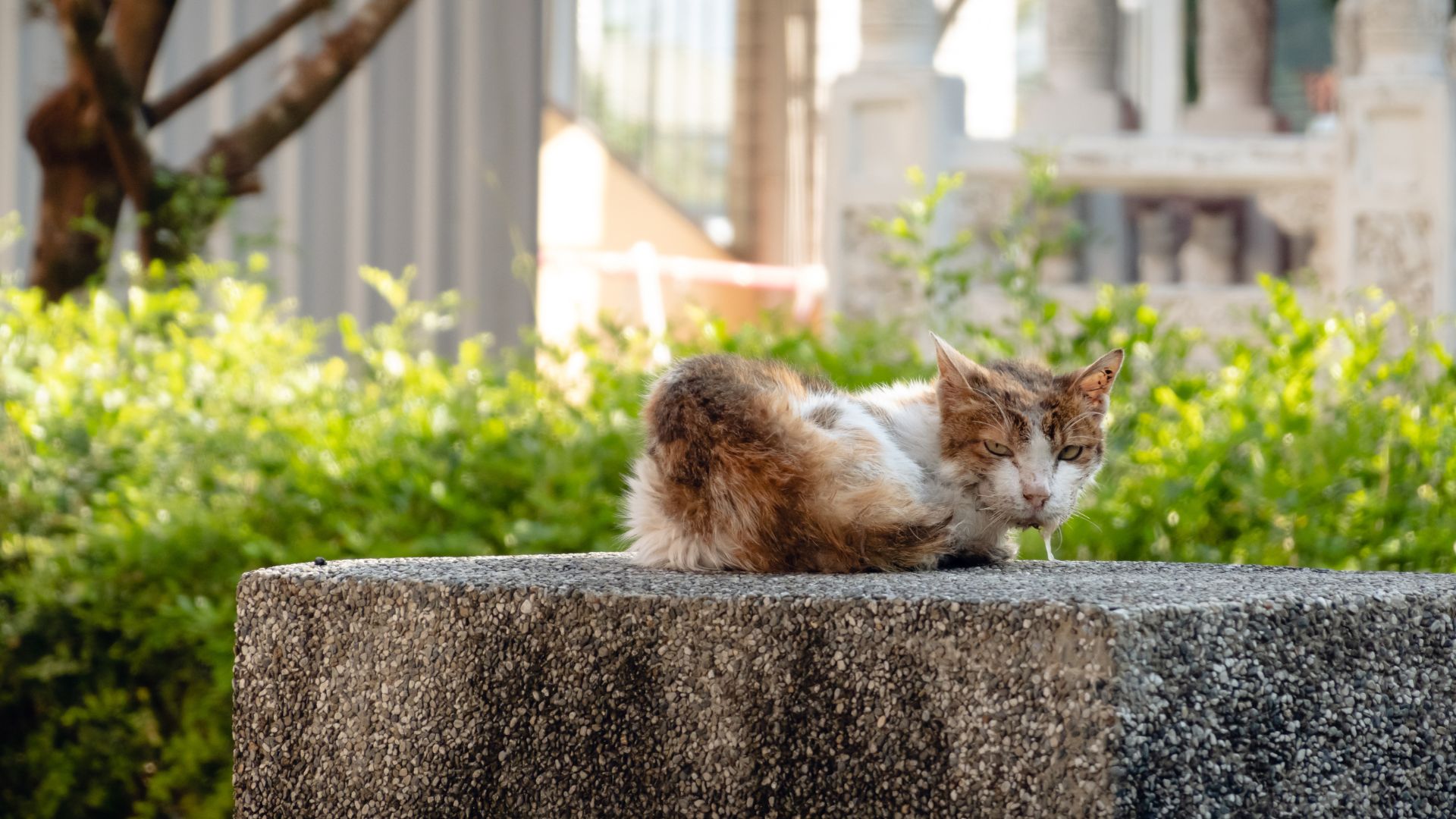
Cat Drooling: Serious Causes and Expert Treatment Guide
Cats frequently surprise us with their peculiar behaviors, but drooling is one that always captures our interest and occasionally causes us to worry. A small amount of drooling from your feline friend may not be harmful, but chronic or unusual drooling could indicate a medical problem.
You can respond appropriately and make sure your cat is comfortable and healthy by knowing the difference between normal and abnormal drooling.
Is cat drooling normal?
Although it is not common, some cats may drool slightly when they are feeling relaxed, content, or affectionate. However, excessive drooling can sometimes indicate stress, pain, illness, or an underlying medical condition that requires attention.
If your cat is drooling more than usual, it is best to arrange a veterinary examination. Many of the potential causes cannot be accurately diagnosed without a professional assessment.
What causes cat drooling?
Relaxation and Contentment
Although cats are not known for excessive drooling, some may drool slightly when they are feeling particularly relaxed or content. This often occurs during purring, kneading, or while resting comfortably. Some experts believe this behaviour may be linked to kittenhood, as cats that drool when happy often begin doing so from a young age.
Stress and Anxiety
Emotional stress can also trigger drooling in some cats. Situations such as car rides, veterinary visits, unfamiliar environments, or loud noises may cause anxiety and result in increased saliva production. Cats experiencing stress-related drooling may also show signs such as vocalising, hiding, flattened ears, dilated pupils, or attempts to escape.
If your cat becomes anxious during travel or vet visits, speak with your veterinarian about strategies that may help, including environmental modifications, calming pheromones, supplements, or anti-anxiety medications.
Nausea and Digestive Upset
Drooling can be a sign that a cat is feeling nauseous. Motion sickness during travel, hairballs, gastrointestinal disorders, kidney disease, and other medical conditions may cause nausea and excessive salivation. Additional signs may include vomiting, lip licking, reduced appetite, or lethargy.
Dental Disease and Oral Pain
Oral discomfort is one of the most common medical causes of drooling in cats. Dental conditions such as gingivitis, periodontal disease, tooth resorption, oral ulcers, and infected teeth can cause pain and inflammation, making swallowing difficult and increasing saliva production.
Drooling associated with oral disease is often accompanied by bad breath, blood-tinged saliva, facial pawing, difficulty eating, or a loss of appetite.
In some cases, oral tumours can produce similar symptoms. Because many dental and oral conditions look alike, further diagnostic testing may be required to determine the underlying cause.
Foreign Objects in the Mouth
Cats may occasionally get foreign objects lodged in their mouth or throat, including string, bones, plant material, or other debris. These objects can cause irritation, discomfort, and excessive drooling. Prompt veterinary evaluation is recommended if a foreign body is suspected.
Toxin Exposure
Exposure to certain toxins can lead to sudden and excessive drooling. Common culprits include toxic plants, household cleaning products, insecticides, human medications, and inappropriate flea treatments.
Depending on the substance involved, drooling may occur due to irritation of the mouth, nausea, or direct effects on the nervous system. If you suspect your cat has ingested a toxic substance, seek veterinary attention immediately.
Medication Side Effects
Some medications, particularly liquid formulations or bitter-tasting tablets, may cause temporary drooling after administration. While this reaction is often harmless, excessive or prolonged drooling should be discussed with your veterinarian.
Heatstroke
Cats exposed to high temperatures may develop heatstroke, a life-threatening condition that requires immediate veterinary care. Excessive drooling may occur alongside heavy breathing, panting, weakness, collapse, or elevated body temperature.
Rabies
Although rare in vaccinated cats, rabies can cause excessive drooling due to its effects on the nervous system. Affected cats may also display behavioural changes, aggression, paralysis, or difficulty swallowing.
Because rabies is a serious zoonotic disease, any unvaccinated cat showing neurological symptoms should be evaluated by a veterinarian immediately.
When is a cat drooling in an emergency?
So, how can you tell whether your cat’s drooling is normal or a sign of an underlying problem?
The answer often lies in the accompanying symptoms and your cat’s overall behaviour.
Drooling accompanied by bad breath may indicate dental disease or oral infection. If your cat is also refusing food, eating less than usual, or showing signs of discomfort, pain or nausea could be the underlying cause. Sudden, excessive drooling should always be taken seriously, particularly if it appears without an obvious trigger.
While mild drooling during a stressful event such as a car ride may resolve once your cat has calmed down, persistent drooling that continues afterwards may suggest a medical issue that requires veterinary attention.
Ultimately, it is important to assess drooling in context. A relaxed cat purring on your lap is very different from a cat that is hiding, lethargic, or has saliva staining the fur around its mouth. When in doubt, a veterinary examination can help determine whether the drooling is harmless or a sign of an underlying health condition.
Supporting Your Cat’s Oral and Overall Health
Preventive healthcare is one of the best ways to reduce the risk of medical conditions that can cause excessive drooling in cats. Regular wellness examinations, dental assessments, and professional dental cleanings can help identify oral health issues before they become painful or more difficult to treat.
At home, maintaining good dental hygiene through tooth brushing, dental diets, or veterinarian-recommended dental products may also support your cat’s oral health. Providing safe toys and monitoring your cat’s eating habits can further help detect potential problems early.
Routine health screenings are equally important, as conditions such as kidney disease, oral infections, and other systemic illnesses can sometimes contribute to excessive drooling.
When Should You Visit a Veterinarian?
As a pet owner, you’re often the first to notice subtle changes in your cat’s behaviour and health. If your cat develops sudden, persistent, or excessive drooling especially when accompanied by symptoms such as bad breath, difficulty eating, vomiting, facial swelling, lethargy, or weight loss. It is important to seek veterinary advice promptly.
While some causes of drooling may be relatively minor, others can indicate serious underlying conditions that require medical attention. Early diagnosis and treatment often lead to better outcomes and can help prevent complications.
At Starlight Veterinary Hospital, our team provides comprehensive medical, dental, and diagnostic services to help determine the cause of excessive drooling and ensure your cat receives the appropriate care.
FAQ
Sudden cat drooling can be caused by dental disease, oral injuries, nausea, toxin exposure, infections, or other underlying health conditions. Because excessive cat drooling is often abnormal, a veterinary examination is recommended.
Some cats may experience mild cat drooling when they are relaxed, content, or purring. However, excessive or persistent cat drooling is not considered normal and may indicate an underlying medical issue.
Cat drooling accompanied by a loss of appetite may be a sign of dental disease, oral pain, mouth ulcers, nausea, or another condition that requires veterinary attention.
Yes. Dental disease is one of the most common causes of cat drooling. Conditions such as gingivitis, periodontal disease, and tooth resorption can cause pain and inflammation that lead to increased saliva production.
Yes. Hairballs can trigger nausea, which may result in cat drooling, lip licking, gulping, retching, or vomiting. If cat drooling persists, veterinary evaluation is recommended.
Cat drooling can be a sign of toxin exposure. Toxic plants, household chemicals, human medications, and inappropriate flea treatments may cause excessive drooling and require immediate veterinary care.