




How X-Rays Help Vets Care for Your Pet
X-rays are one of the most valuable diagnostic tools in modern veterinary medicine. They offer a safe, fast, and non-invasive way for vets to look inside your pet’s body without the need for surgery. Whether your dog has developed a limp, your cat has stopped eating, radiographs (x-rays) often provide the first clear picture of what is going on.
This guide explains how X-rays work, when they are recommended, what happens during the procedure, and how they help your vet make the best decisions for your pet’s care.
Why X-Rays Are Important for Your Pet’s Health
Pet X-rays play a crucial role in veterinary medicine because they allow vets to see beyond what is visible during a physical examination. Many conditions that develop in pets occur internally, and early signs may not be visible during a physical examination.
Radiographs can help identify internal issues early, allowing your vet to address them before they potentially worsen.. Here are some key reasons why X-rays are so important:
- Early detection of illness: X-rays can reveal changes in organs or bones before symptoms appear, allowing treatment to start sooner.
- Accurate diagnosis: They provide clear images that help confirm or rule out potential conditions, reducing guesswork and unnecessary treatments.
- Guided treatment plans: X-rays help vets plan surgeries, monitor recovery, and track how well a treatment is working.
- Pain-free insight: Since X-rays are non-invasive, they allow vets to investigate internal problems without causing discomfort to your pet.
- Improved safety: In emergencies, such as after an accident or if a pet swallows a foreign object, x-rays provide rapid information that guides immediate care.
What Exactly Does an X-Ray Show?
An X-ray captures how different tissues in the body absorb radiation. Dense tissues like bone appear white because they absorb more radiation, while air appears black and soft tissues appear in shades of grey. This contrast helps vets detect:
- Fractures and joint injuries
- Arthritis or bone deformities
- Swallowed objects
- Organ enlargement
- Tumours or masses
- Abnormal gas patterns in the stomach or intestines
- Bladder or kidney stones
With digital radiography, the images are available instantly on-screen, which means your vet can assess the results within minutes and decide if further tests are needed.
When Might Your Vet Recommend X-Rays?
Your vet may suggest an X-ray for a variety of reasons, including:
- Lameness or limping: To check for fractures, hip dysplasia or joint inflammation.
- Coughing or breathing problems: To examine the lungs and heart.
- Vomiting or loss of appetite: To see if a foreign object or blockage is present.
- Abdominal pain or bloating: To identify stones, tumours or gas build-up.
- Weight loss or fatigue: To investigate potential internal disease or cancer.
In many cases, X-rays are the first imaging step because they provide a fast overview of what could be wrong before more advanced scans (like ultrasound or CT) are considered.
What Happens During a Pet X-Ray Appointment?
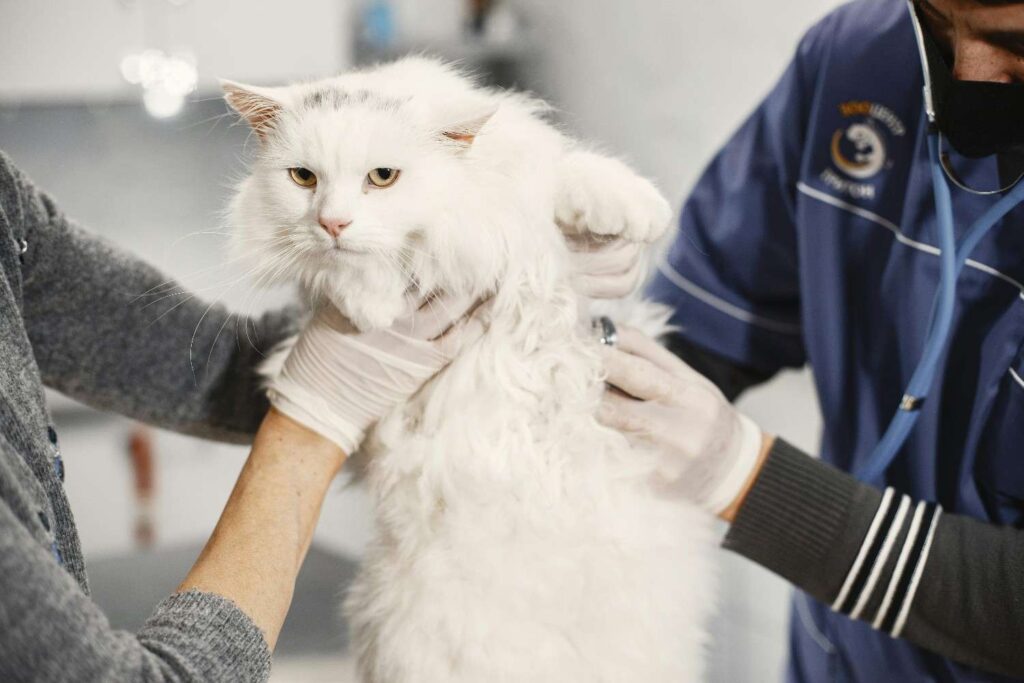
A typical pet X-ray appointment is straightforward and takes about 20 to 40 minutes, depending on your pet’s cooperation and the number of images required.
- Preparation: Your vet will review your pet’s condition and decide which part of the body to x-ray. Metal collars or harnesses are removed to avoid interference.
- Positioning: The veterinary team gently positions your pet on the table. Depending on the body part, they may take images from several angles.
- Sedation (if needed): If your pet is anxious, in pain, or unable to stay still, light sedation or general anaesthesia may be used for comfort and accuracy.
- Image capture: The X-ray is taken, and the digital image appears on-screen within seconds.
- Review: The vet interprets the images and discusses the results with you, either immediately or later if a specialist review is needed.
The goal is always to make the process as stress-free and comfortable as possible for your pet.
Is Radiation Safe for Pets?
One of the most common questions pet owners ask is whether X-rays are safe. In general, veterinary X-rays use very low levels of radiation. When performed correctly, the benefits of accurate diagnosis typically outweigh any minimal risk from exposure. When performed correctly, the benefits of diagnosis far outweigh any minimal risk from exposure.
Veterinary clinics follow strict radiation safety standards to protect both animals and staff. Lead aprons, thyroid shields, and minimal exposure times are all part of the protocol. Even if your pet needs several X-rays over time, the radiation dose remains very small.
How Vets Combine X-Rays with Other Diagnostic Tests
X-rays are often just one part of a broader diagnostic plan. Depending on what they reveal, your vet may recommend:
- Ultrasound: Provides clearer images of soft tissues like the bladder, liver, spleen and heart.
- CT scans: Pet CT scans offer detailed cross-sectional views for complex cases or surgery planning.
- Blood tests: Assess organ function or detect infection.
- Urine tests or biopsies: Confirm what x-rays suggest, especially for stones or tumours.
Combining imaging results with laboratory data helps vets form a complete picture of your pet’s health and choose the most effective treatment.
Understanding the Costs of Pet X-Rays
The cost of pet X-rays can vary depending on several factors, including the complexity of the case and the technology used. Common elements that influence the price include:
- The number of images required
- Whether sedation or anaesthesia is needed
- The specific area of the body being imaged
- Whether a specialist radiologist’s review is required
In general, simple X-rays are more affordable, while complex imaging or cases that require sedation may cost more. Most veterinary clinics provide cost estimates before proceeding, so owners can make informed decisions.
If your pet is covered by insurance, diagnostic imaging is often included when deemed medically necessary. If cost is a concern, speak with your vet about available options — they can advise on the most essential images and help you plan your pet’s diagnostic care in a practical and budget-friendly way.
How Starlight Vet Uses X-Rays to Care for Pets
At our Animal Hospital, we use advanced digital radiography to capture high-quality images with minimal radiation. Our experienced team ensures every pet remains safe and comfortable throughout the process. We also:
- Explain X-ray findings clearly to the pet owners
- Tailor sedation plans based on age, breed and health
- Coordinate follow-up care or specialist referrals if required
Our goal is to provide timely insights and appropriate treatment recommendations to support your pet’s well-being.
Preventing Future Health Issues
While X-rays are diagnostic rather than preventive, they can help spot early changes that allow your vet to act before a problem worsens. Routine wellness exams, dental checks, and monitoring changes in appetite or mobility all help reduce the risk of emergencies that require imaging.
Maintaining your pet’s health through balanced nutrition, exercise, and regular check-ups may help lower the risk of developing issues that require urgent X-rays.
Final Thoughts
X-rays play a vital role in helping vets diagnose conditions quickly and accurately. They’re safe, fast, and often the first step toward finding the right treatment. If your vet suggests an X-ray, don’t worry, it’s a standard and invaluable part of responsible pet care.
At STARLiGHT VETERINARY HOSPITAL, we’re committed to using x-rays and other modern diagnostic tools to keep your pet healthy, happy and pain-free. If you notice changes in your pet’s behaviour, movement or appetite, contact us for advice or an appointment.
FAQs
Can X-rays be done during a routine check-up?
Yes, X-rays can be part of a wellness or dental check-up, especially for older pets or breeds prone to certain conditions. They help detect early signs of disease.
How long does a pet X-ray take?
Most X-rays take around 20 to 40 minutes, including setup and discussion time.
How soon will I get the results?
Many clinics use digital X-rays, allowing vets to review images immediately. In more complex cases, results may take longer if a radiologist’s review is required.
Can X-rays help monitor ongoing health conditions?
Yes. X-rays are often used to monitor recovery from surgery, track bone healing, or observe changes in chronic conditions like arthritis or heart disease.
Disclaimer: The information provided on this page is for general educational purposes and should not replace professional veterinary advice. Always consult your veterinarian for diagnosis and treatment recommendations specific to your pet.