



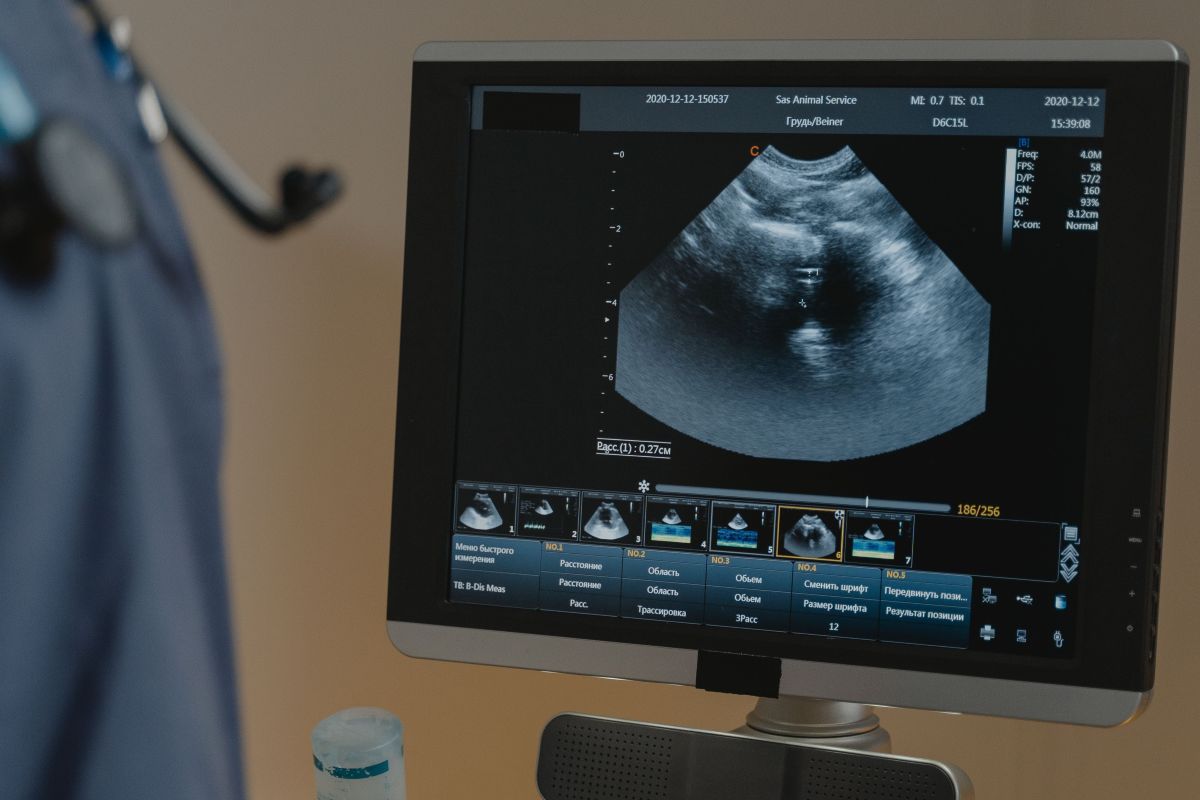
Pet Ultrasound in Malaysia: What It Shows and When Your Vet Will Recommend One
A pet ultrasound is a painless, radiation-free scan that lets a veterinarian examine a cat or dog’s internal organs and soft tissue in real time. It is one of several imaging tools used in veterinary care alongside X-rays and CT scans, and each tool serves a different diagnostic purpose. This article explains what an ultrasound scan involves, the situations where a vet may recommend one, and what to expect if your cat or dog needs one in Ampang Jaya or the wider Klang Valley.
What a Pet Ultrasound Actually Shows
An ultrasound uses high-frequency sound waves, rather than radiation, to build a moving image of the structures beneath the skin. Unlike an X-ray, which produces a single flat picture, an ultrasound shows movement as it happens, such as a heartbeat, blood flow, or the contractions of the digestive tract.
This makes ultrasound particularly useful for examining soft tissue that X-rays cannot capture in detail, including the liver, kidneys, bladder, spleen, and other abdominal organs. A vet can measure an organ’s size, look for fluid or masses, check its texture, and observe how it is functioning rather than relying on a single still frame.
How a Cat or Dog Ultrasound Works
Before the Scan
Most pets do not need sedation for a standard abdominal ultrasound, since the procedure itself is painless and non-invasive. Fur over the area being scanned is usually clipped so the probe can make good contact with the skin, and a small amount of gel is applied to improve the image.
Why Fasting Is Sometimes Requested
For scans involving the stomach or intestines, a vet may ask that food be withheld for several hours beforehand. Gas and digested material in the gut can interfere with the sound waves, so an empty stomach generally produces a clearer image.
During the Scan
Your pet will usually lie on their side or back on a padded table while the vet or a trained technician moves the probe across the area being examined. The room is kept quiet, and the process itself typically takes between fifteen and forty-five minutes, depending on how many organs need to be checked.
After the Scan
There is normally no recovery period after a standard ultrasound, since sedation is not usually required for most cats and dogs. Most pets go home the same day, and the gel is simply wiped from the fur.
A vet will often discuss the initial findings with you once the images have been reviewed, although some results need further review before a full picture emerges. Our Pet Diagnostic Services page has more detail on the on-site imaging and laboratory testing available for cats and dogs.
When Might a Cat or Dog Need an Ultrasound?
A vet may recommend an abdominal or soft-tissue ultrasound for a number of reasons, and the exact reason will depend on your pet’s symptoms and examination findings. Common situations include:
- Ongoing vomiting, diarrhoea, or a change in appetite with no obvious cause
- Signs of a possible bladder or kidney issue, such as straining to urinate or blood in the urine
- Confirming pregnancy in cats and dogs, usually from around three weeks after mating
- Investigating a mass or swelling found during a physical examination
- Guiding a needle biopsy or fluid sample accurately
- Monitoring an organ over time in a pet with an existing, diagnosed condition
- Assessing the heart’s structure and function as part of a cardiac work-up
Not every case needs an ultrasound. A vet will usually begin with a physical examination and may combine this with blood tests or other imaging before deciding whether an ultrasound is the right next step for your pet.
Why Cats in Particular Are Often Referred for an Ultrasound
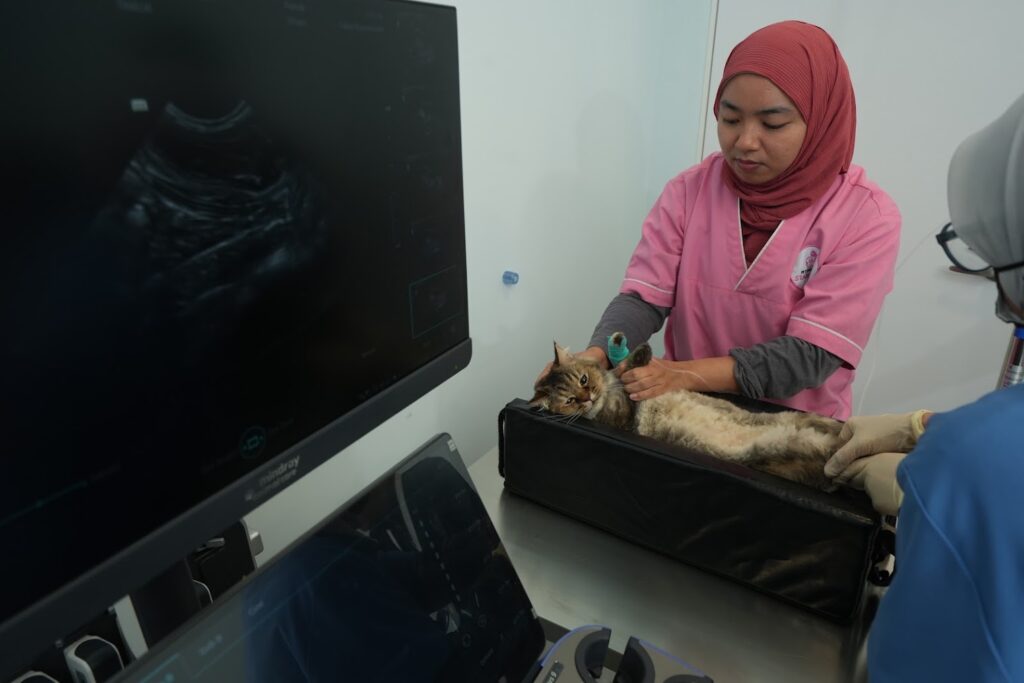
Cats are prone to certain conditions that an ultrasound is well suited to investigating, including chronic kidney disease, bladder stones or crystals, and thyroid changes as they age. Because cats can mask discomfort well, a vet may suggest an ultrasound even when outward symptoms are mild, simply to get a clearer picture of what is happening internally.
An ultrasound is also a common tool for confirming pregnancy in cats, checking for bladder inflammation, or looking more closely at an abdominal mass that has been felt during a hands-on examination. Because the scan is quiet and generally well tolerated, most cats cope with the procedure calmly, although a vet will always handle each cat according to its own temperament on the day.
Ultrasound Compared with Other Diagnostic Imaging
Ultrasound vs X-Ray
X-rays are often the first imaging step for many conditions, since they are quick and show bone and overall chest or abdominal structure clearly. An ultrasound is often used alongside or after an X-ray when a vet needs a closer look at soft tissue, such as the lining of the stomach or the texture of the liver, which an X-ray image cannot show.
Ultrasound vs CT Scan
A CT scan uses X-ray technology combined with computer processing to build detailed, cross-sectional images, and typically requires sedation or light anaesthesia to keep the pet still. More information on this is available on our Pet CT Scan page. Ultrasound, by contrast, is usually performed while the pet is awake and gives a real-time view, which makes it well suited to assessing movement, such as blood flow or an organ in motion, rather than detailed bone imaging.
On-Site Ultrasound Scanning at STARLiGHT Veterinary Hospital
STARLiGHT Veterinary Hospital, located at Jalan Sulaiman 1 in Taman Ampang Hilir, Ampang Jaya, offers on-site ultrasound scanning for cats and dogs alongside digital X-ray, CT scanning, and laboratory testing, so imaging and bloodwork can usually be completed and reviewed during the same visit rather than referred elsewhere. The hospital’s consultation hours run daily from 07:00 to 18:00, with emergency cover outside those hours.
Many first appointments begin with a general physical examination before any imaging is arranged, so an ultrasound is typically a next step rather than a starting point. You can visit our home page to see the full range of services available for cats and dogs.
If your vet has recommended an ultrasound, or if you have noticed symptoms in your cat or dog that concern you, you can contact STARLiGHT Veterinary Hospital to discuss your pet’s situation and arrange a visit.
Frequently Asked Questions
Does my cat or dog need to be sedated for an ultrasound?
Most cats and dogs do not need sedation for a standard abdominal ultrasound, because the procedure is non-invasive and generally well tolerated. A vet may use light sedation if a pet is especially anxious or will not stay still.
Can an ultrasound detect pregnancy in cats and dogs?
Yes, an ultrasound can confirm pregnancy in cats and dogs, usually from around three weeks after mating, and can also give an early look at how many foetuses are present.
How long does a pet ultrasound take?
A standard pet ultrasound usually takes between fifteen and forty-five minutes, depending on how many organs or areas the vet needs to examine.
What is the difference between a pet ultrasound and an X-ray?
An X-ray produces a single, still image and is well suited to viewing bone, while an ultrasound shows moving, real-time images of soft tissue such as organs, which is why vets often use the two together.
Do I need to prepare my pet before an ultrasound appointment?
For some scans, a vet may ask that your pet not eat for several hours beforehand to reduce gas in the digestive tract. Your vet will tell you whether any preparation is needed for your pet’s specific scan.
Will I find out the results of my pet’s ultrasound straight away?
In many cases, a vet can discuss the initial findings with you shortly after the scan. Some images need further review, so a full diagnosis is occasionally given at a follow-up appointment.
Why might a cat specifically need an ultrasound?
Cats commonly have ultrasounds to investigate kidney changes, bladder issues, or abdominal masses, since cats can hide discomfort well and an ultrasound gives a vet a clearer internal picture than a physical exam alone.