



Cat Heat: Signs, 5 Stages & When to Spay Your Cat
Cat heat, medically known as estrus, is the stage of the reproductive cycle when an unspayed female cat becomes fertile and is able to conceive. During this time, hormonal changes encourage mating behaviours and make her more attractive to male cats. If she does not become pregnant, the cycle will naturally repeat after a short interval.
What Is Cat Heat?
Heat is a normal part of a female cat’s reproductive life and should not be considered a disease. However, the hormonal changes can lead to noticeable behavioural changes that may surprise owners who have never experienced a cat in heat before.
When Do Cats Go Into Heat?
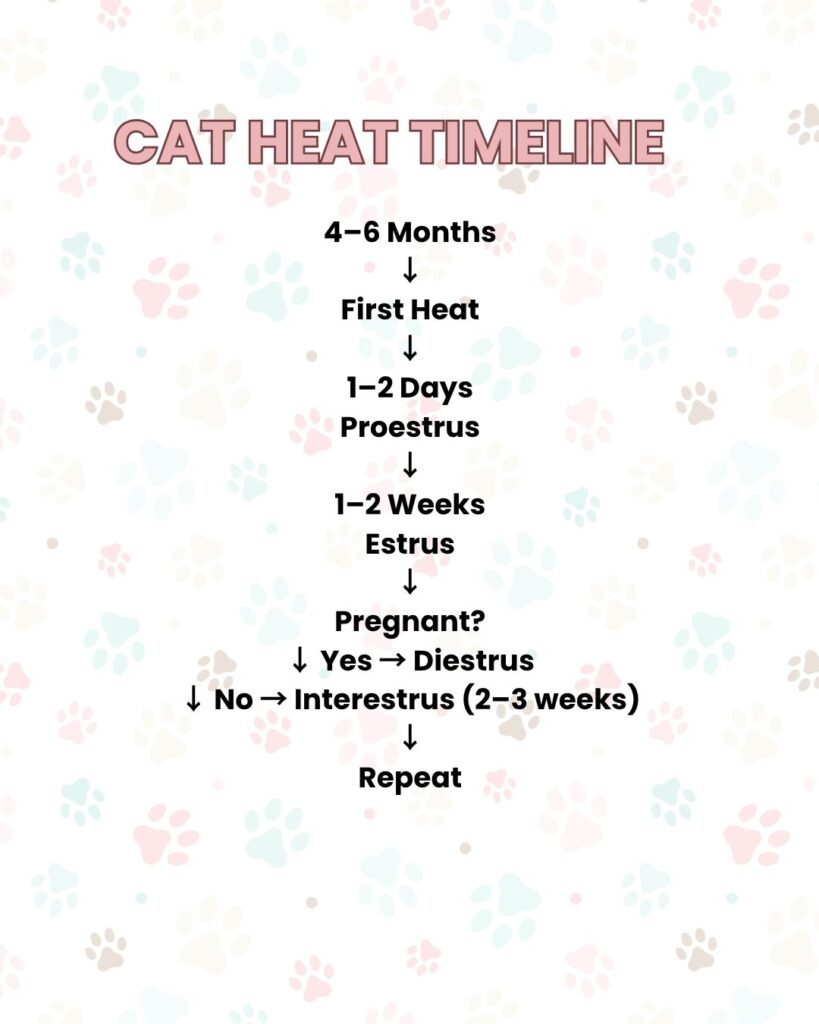
Most female cats enter their first heat once they reach sexual maturity, which is typically between 4 and 6 months of age. Some cats may mature slightly earlier or later depending on factors such as breed, body weight, nutrition, and overall health. From this point onwards, an unspayed cat can become pregnant whenever she enters a fertile heat cycle.
Unlike countries with four distinct seasons, Malaysia’s warm weather and consistent daylight throughout the year may allow female cats to experience heat cycles more regularly. Indoor cats exposed to artificial lighting may also continue cycling throughout the year.
What Are the Signs of a Cat in Heat?
A cat in heat often displays obvious behavioural changes that are very different from her normal personality. While not every cat behaves exactly the same, you may notice several of the following signs:
- Persistent or louder-than-usual meowing
- Increased affection towards people
- Frequently rubbing against furniture or legs
- Rolling repeatedly on the floor
- Raising the hindquarters while moving the tail to one side
- Restlessness or difficulty settling down
- Attempting to escape outdoors
- Spraying urine to attract male cats
- Excessive grooming around the genital area
One important difference between cats and dogs is that female cats do not normally bleed while they are in heat. Therefore, the absence of vaginal bleeding is completely normal.
How Long Does a Cat Stay in Heat?
The fertile stage of the heat cycle generally lasts around 5 to 10 days, although some cats may remain in heat for as little as 3 days or as long as 2 weeks. If mating does not occur, the signs gradually disappear before the next cycle begins after a brief resting period.
How Often Do Cats Go Into Heat?
Female cats can experience several heat cycles during the breeding season because they are seasonally polyestrous, meaning they cycle multiple times until pregnancy occurs. If they do not mate, another heat cycle usually begins every 2 to 3 weeks. Some indoor cats may continue cycling almost year-round due to exposure to artificial lighting.
Understanding the Five Stages of a Cat’s Heat Cycle
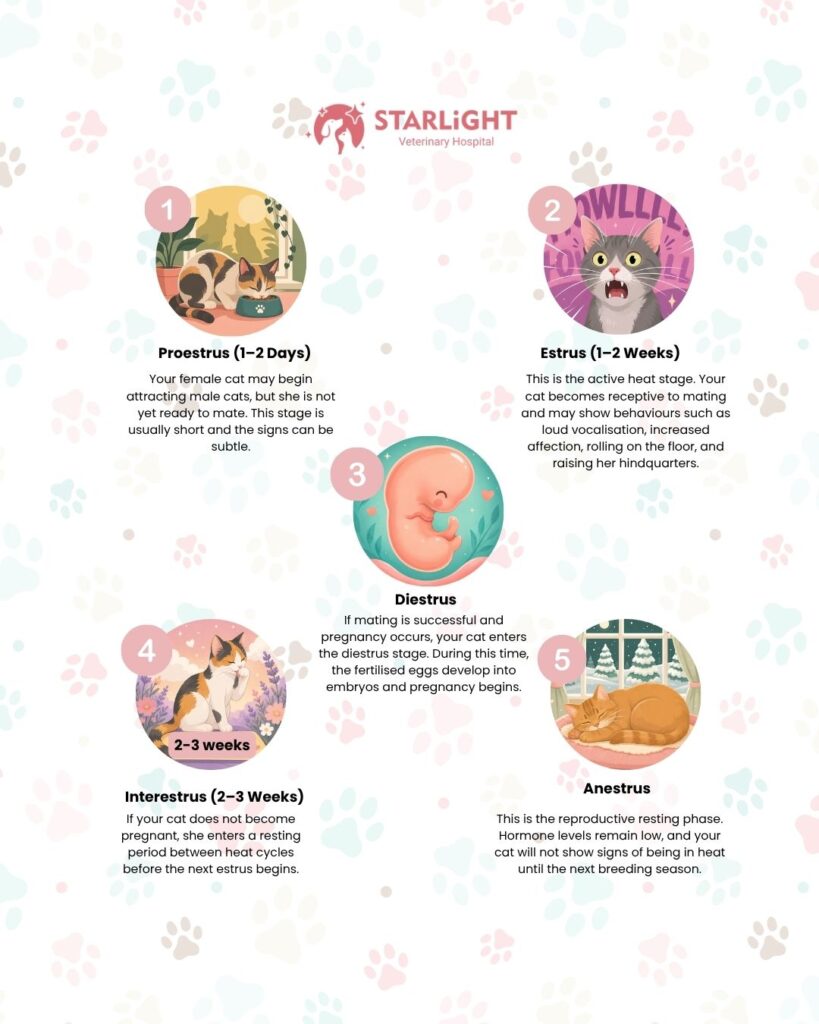
A female cat’s reproductive cycle is divided into five stages. Each stage represents a different phase of fertility and reproductive activity.
Proestrus (1–2 Days)
This is the earliest stage of the heat cycle. Hormonal changes begin, and your cat may start attracting male cats, although she is not yet receptive to mating. Behavioural changes during this stage are often subtle and may be difficult to recognise.
Estrus (1–2 Weeks)
Estrus is the active heat stage when your cat is fertile and willing to mate. This is when most heat-related behaviours become obvious, including frequent vocalisation, rolling on the floor, increased affection, urine spraying, and the characteristic posture of raising the hindquarters.
Diestrus
If mating results in pregnancy, your cat enters diestrus, during which the fertilised eggs implant and pregnancy begins. If pregnancy does not occur, she will progress into the next stage instead.
Interestrus (2–3 Weeks)
Interestrus is the short resting period between two heat cycles when pregnancy has not occurred. After this phase, your cat may enter another heat cycle if breeding conditions remain favourable.
Anestrus
Anestrus is the reproductive resting phase. During this period, reproductive hormone levels remain low and your cat does not display signs of being in heat. In cats living in seasonal climates, this stage usually occurs outside the breeding season.
Can a Cat Get Pregnant During Her First Heat?
Yes. A female cat can become pregnant during her very first heat cycle, even if she is still quite young. Since cats ovulate after mating, pregnancy can occur soon after breeding with an intact male cat. Keeping your cat indoors while she is in heat is one of the most effective ways to prevent an unexpected pregnancy.
How Can You Help a Cat in Heat?
Although the heat cycle cannot be stopped naturally once it has started, there are several ways to make your cat more comfortable while keeping her safe.
You can help by:
- Keeping her indoors at all times
- Giving her extra attention and interactive play
- Providing a calm and comfortable environment
- Preparing quiet resting areas where she feels secure
- Preventing contact with unneutered male cats
Avoid using hormonal medications or home remedies unless they have been recommended by your veterinarian, as some may cause unwanted health complications.
Should You Spay Your Cat?
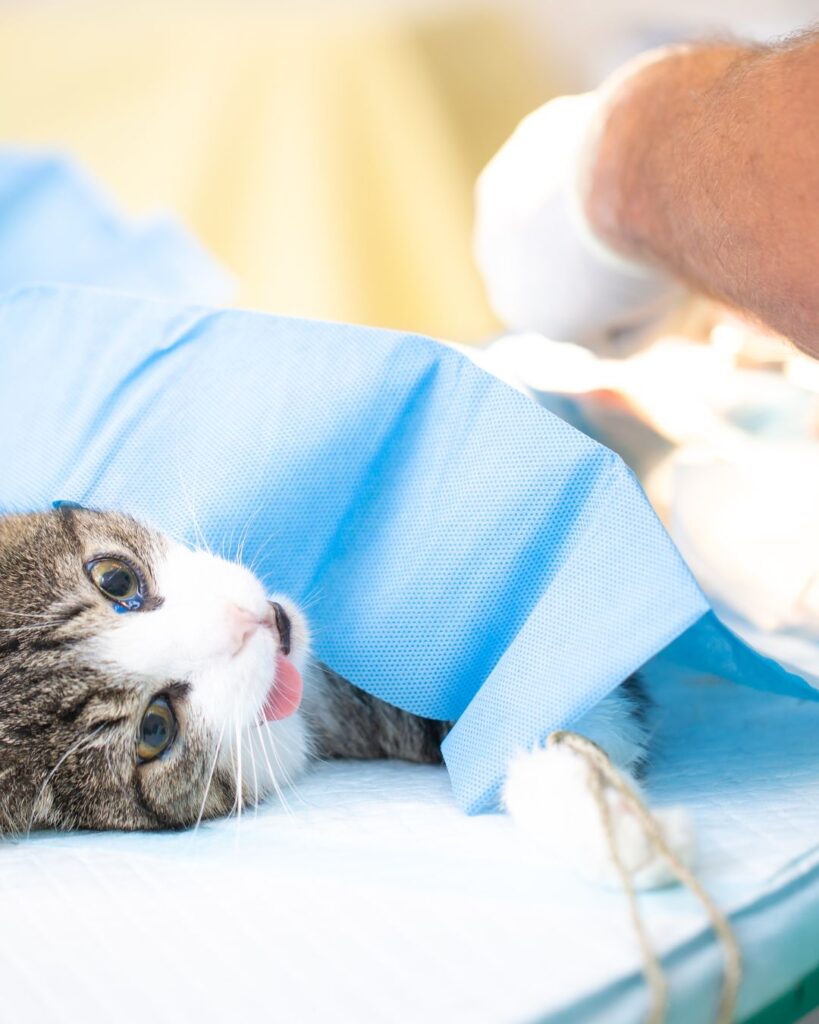
Spaying is the most effective long-term solution for preventing future heat cycles and unwanted pregnancies. In addition to stopping heat-related behaviours, the procedure also lowers the risk of serious reproductive conditions, including pyometra and certain mammary tumours.
Although spaying can be performed while a cat is in heat, the increased blood supply to the reproductive organs during this time may make surgery slightly more challenging. Depending on your cat’s condition, your veterinarian may recommend waiting until the heat cycle has ended before scheduling the procedure. The most appropriate timing should always be determined after a veterinary examination.
When Is the Best Time to Spay a Cat?
One of the most common questions cat owners ask is whether they should wait until cat heat has finished before scheduling spay surgery.
In many cases, veterinarians recommend spaying a female cat before her first cat heat whenever possible. Early spaying helps prevent unwanted pregnancies and significantly reduces the risk of reproductive diseases later in life. It may also decrease the likelihood of mammary tumours, especially when performed before repeated heat cycles.
If your cat has already experienced cat heat, don’t worry. She can still be safely spayed, but the best timing depends on her age, overall health, and where she is in her reproductive cycle. Your veterinarian will perform a health assessment and recommend the most appropriate time for surgery.
Can a Cat Be Spayed While in Heat?
Yes. A female cat can usually be spayed while she is experiencing cat heat, but there are a few important considerations.
During cat heat, the reproductive organs receive an increased blood supply, making the tissues more delicate than usual. Although experienced veterinarians can safely perform the procedure, surgery may take slightly longer and carries a slightly higher risk of bleeding compared to spaying outside the heat cycle.
Depending on your cat’s condition and the urgency of the situation, your veterinarian may recommend either proceeding with surgery or waiting until the current cat heat cycle has ended. The safest option should always be determined after a physical examination.
Why This Matters
If your cat is repeatedly going into cat heat, delaying spay surgery for too long may increase the chance of an unexpected pregnancy. Discussing the timing with your veterinarian can help you choose the safest approach while avoiding repeated heat cycles.
Benefits of Spaying Before vs After Cat Heat
| Before the First Cat Heat | After the First Cat Heat |
|---|---|
| Prevents the first heat cycle | Stops future heat cycles |
| Lowest risk of mammary tumours | Still reduces the risk of reproductive diseases |
| Eliminates the chance of an early pregnancy | Prevents future unwanted pregnancies |
| No heat-related behaviours | Stops recurring heat-related behaviours |
Veterinarian’s Advice: What Should You Do If Your Cat Is in Heat?
Although cat heat is a natural part of the reproductive cycle, it can be challenging for both cats and their owners. During this time, it’s important to keep your cat safely indoors, as even a brief escape can result in an unplanned pregnancy.
If your cat is experiencing her first heat, consider using this opportunity to discuss spaying with your veterinarian. Spaying not only prevents future heat cycles and unwanted pregnancies but also lowers the risk of reproductive diseases, such as pyometra, and certain mammary tumours later in life.
If your cat’s heat cycle seems unusually prolonged, occurs very frequently, or is accompanied by vaginal discharge, bleeding, loss of appetite, or lethargy, she should be examined by a veterinarian to rule out underlying health conditions.
Veterinary Tip
Don’t wait until your cat accidentally becomes pregnant before considering spaying. Planning the procedure early allows your veterinarian to assess your cat’s overall health and recommend the safest timing for surgery.
How Starlight Veterinary Hospital Can Help
If your cat has started showing signs of heat or you’re considering spaying, our veterinary team is here to help. We provide reproductive health consultations, pre-surgical assessments, and safe spay procedures tailored to your cat’s age and overall health.
Book an appointment with Starlight Veterinary Hospital to discuss the best time to spay your cat and help prevent unwanted pregnancies and reproductive health problems.
FAQ
A typical cat heat cycle lasts between 5 and 10 days, although some cats may remain in heat for up to two weeks. If your cat does not become pregnant, cat heat will usually return after a short resting period.
If pregnancy does not occur, cat heat usually repeats every 2 to 3 weeks during the breeding season. Some indoor cats may experience cat heat more frequently because of consistent exposure to artificial lighting.
Yes. A female cat can become pregnant during her first cat heat if she mates with an intact male cat. This is why many veterinarians recommend discussing spaying before or shortly after the first cat heat.
No. Unlike dogs, cat heat does not usually cause vaginal bleeding. If you notice bleeding or abnormal discharge during cat heat, you should have your cat examined by a veterinarian.
Although cat heat cannot be stopped naturally, you can help your cat by keeping her indoors, providing extra attention, encouraging play, and creating a calm, comfortable environment until the cat heat cycle ends.
Yes. Indoor cats can still experience cat heat even if they never go outside. Because they are exposed to consistent lighting and a comfortable environment, some indoor cats may go into heat throughout the year.
Loud, persistent vocalisation is one of the most common signs that a female cat is in heat. However, excessive meowing can also indicate pain, illness, or stress, so a veterinary examination is recommended if you’re unsure.
Some cats may have a reduced appetite because they are more focused on finding a mate. If your cat refuses food for an extended period or seems unwell, she should be examined by a veterinarian.
A properly spayed cat should not go into heat. If similar behaviours develop after surgery, your veterinarian may recommend further investigation to rule out conditions such as ovarian remnant syndrome.
She should remain indoors until all signs of the cycle have completely resolved. Even a brief escape outside may result in an unexpected pregnancy.
Male cats can detect hormones released by a female that is in heat, even from a considerable distance. This often attracts neighbourhood cats to your home.
Most veterinarians recommend spaying before or around the first heat cycle whenever appropriate. Your veterinarian can advise the best timing based on your cat’s age, breed, and overall health.
She should remain indoors until all signs of the cycle have completely resolved. Even a brief escape outside may result in an unexpected pregnancy.