
-

10 Essential Tips for Your Pet’s Overall Wellness
November 1, 2024




At Starlight Veterinary Hospital in Ampang, we believe prevention is the foundation of a long, healthy life for your pet. Our comprehensive pet vaccination programme is designed to protect cats and dogs from life-threatening diseases, ensuring they stay safe whether they live indoors, go outdoors, or interact with other animals.
Our experienced veterinary team follows the latest Malaysian and international vaccination guidelines, providing both core vaccines and lifestyle-based optional vaccines tailored to your pet’s individual needs.
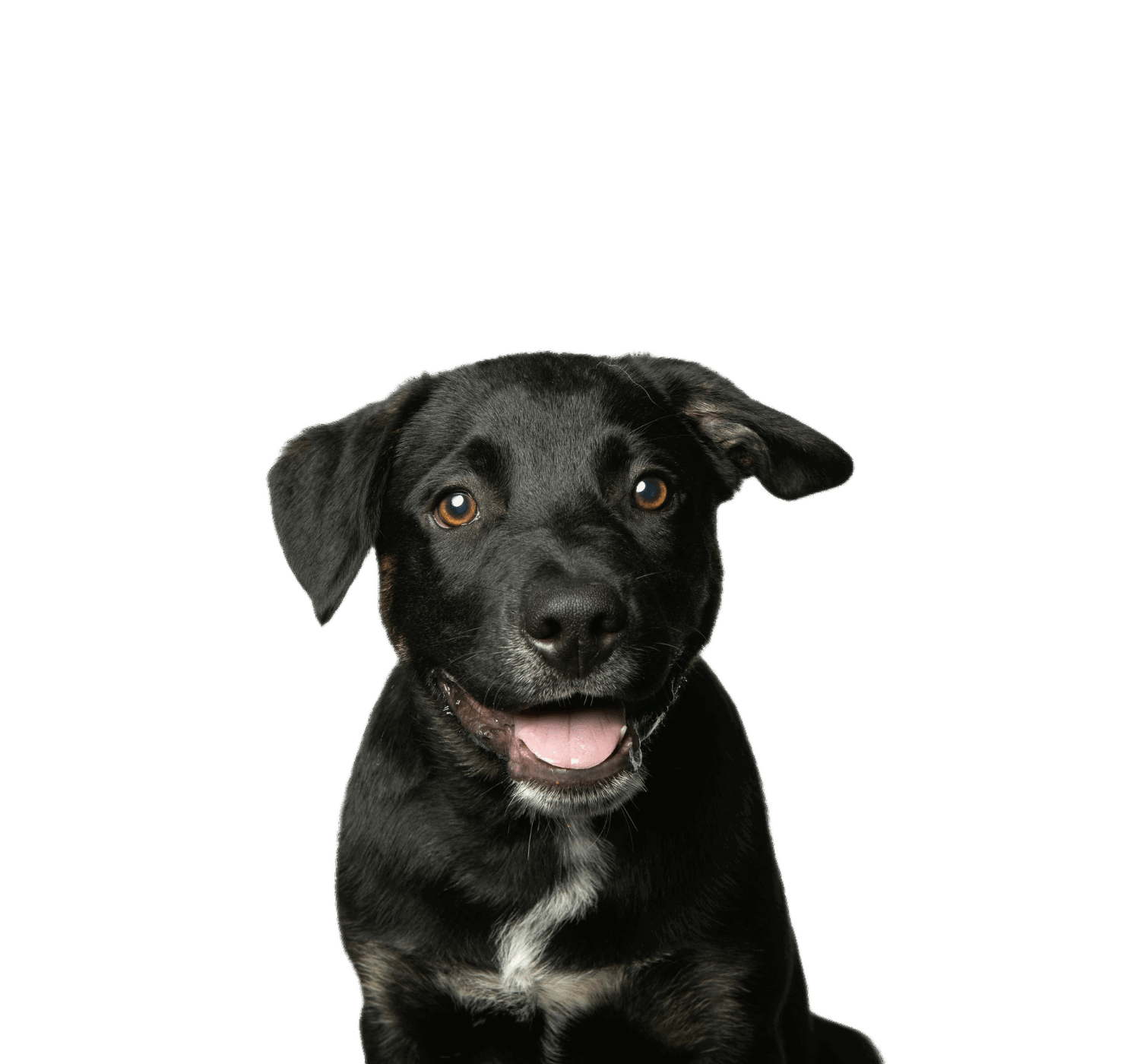
Vaccines work by preparing your pet’s immune system to fight specific infectious diseases.
Without vaccination, even indoor pets can be exposed to viruses through contaminated surfaces, other animals, or insects. In Malaysia’s tropical climate, certain diseases are more prevalent, and vaccination is especially critical.
Vaccinated pets also reduce the risk of spreading disease to other animals and, in some cases, to humans. Keeping your pet up to date with vaccinations is one of the most responsible things you can do as a pet owner.
Many illnesses that vaccinations prevent can be highly contagious and spread quickly. This means that unvaccinated pets are not just at risk themselves but can also put other animals in danger. Vaccinating pets helps reduce the risk of disease spread within the community.
Distemper, Hepatitis, Parvovirus, and Parainfluenza (DHPPi) – This combination vaccine protects against four of the most serious viral diseases in dogs. Parvovirus, in particular, is highly contagious and can be fatal, especially in puppies.
Rabies Vaccine – Required by law for dogs in Malaysia. Rabies is a fatal disease that affects both animals and humans. All dogs must be vaccinated against rabies.
Leptospirosis – Caused by bacteria found in contaminated water and soil. Malaysia’s wet climate makes this a particularly important vaccine for dogs that spend time outdoors or near drainage areas.
Bordetella (Kennel Cough) – Recommended for dogs that are boarded, attend dog parks, or interact regularly with other dogs.
Canine Influenza – For dogs with a higher risk of exposure through social contact with other dogs.
Puppies follow a series of initial vaccinations starting from 6 to 8 weeks of age, followed by boosters. Adult dogs require annual or triennial boosters depending on the vaccine type. Our veterinarians will create a personalised vaccination schedule for your dog at your first visit.
Feline Herpesvirus, Calicivirus, and Panleukopenia (FVRCP) – Known as the “cat flu” vaccine, this combination protects against three highly contagious and potentially fatal feline diseases. Even indoor cats are recommended to receive this vaccine.
Rabies Vaccine – Recommended for all cats, particularly those with outdoor access or in multi-pet households.
Feline Leukaemia Virus (FeLV) – Recommended for cats that go outdoors or have contact with other cats. FeLV is transmitted through close contact with infected cats and can cause cancer and immune suppression.
Feline Immunodeficiency Virus (FIV) – For cats at higher risk due to outdoor access or fighting with other cats.
Kittens typically begin vaccinations at 8 to 9 weeks of age, followed by boosters at 12 weeks and again at 16 weeks. After the initial series, adult cats receive annual or triennial boosters. Our vets will advise on the right schedule for your kitten or adult cat.
Most dogs experience minor side effects:
Severe allergic reactions are rare but should be treated immediately.

STARLiGHT Veterinary Hospital is a 24-hour veterinary hospital in Ampang Jaya treating cats and dogs. Our clients trust us for pet vaccination services because we have:
Our hospital focuses on building long-term relationships with clients and pets. We believe in preventative healthcare, ensuring your pet is not only vaccinated but also given a thorough health assessment at every visit.
Your pet’s vaccination appointment at Starlight Veterinary Hospital includes a full physical health check before any vaccine is administered. This ensures your pet is healthy enough to receive the vaccine and allows our veterinarians to catch any underlying health issues early.
After vaccination, we monitor your pet briefly at the clinic and provide you with a vaccination record booklet. We will also schedule your next booster appointment before you leave.
Side effects from vaccines are rare and typically mild, such as brief tiredness or mild tenderness at the injection site. Our team will advise you on what to watch for after your pet’s visit and is always available to answer any follow-up questions.
We maintain digital vaccination records for every patient and send reminders when booster vaccinations are due. This helps you stay on top of your pet’s health schedule without having to track dates yourself.
Vaccinations are most effective when given on schedule. Puppies and kittens need a series of initial vaccines, followed by boosters throughout life. We provide:
Maintaining an up-to-date vaccination schedule is vital for pets that frequently socialise with other animals, such as at dog parks or boarding facilities. We make it simple by keeping track of your pet’s needs and sending reminders before boosters are due.
Choosing not to vaccinate your pet can lead to serious consequences. Diseases like parvovirus and feline panleukopenia are not only deadly but also expensive to treat. Many pets require hospitalisation, and outcomes can be uncertain. Vaccination is generally a more reliable and affordable option for reducing disease risks.
Unvaccinated pets may also be denied entry to boarding kennels, grooming facilities, or pet travel. Keeping vaccinations up to date gives you more flexibility and peace of mind.
Our vet clinic is conveniently located in Ampang and serves pet owners across Ampang Jaya, Taman Keramat, Pandan Indah, Ampang Hilir, and surrounding areas.
To book a vaccination appointment for your cat or dog, contact us today. Walk-ins are welcome, but we recommend booking in advance on our app to avoid waiting times.
Even indoor cats can be exposed to viruses through human contact, other pets, or accidental escapes. Vaccinations provide essential protection.
Core vaccines such as DHPPi are typically given as a puppy series followed by a booster at one year of age, then every one to three years depending on the specific vaccine and your dog’s lifestyle. Rabies and leptospirosis vaccines are generally given annually. Our veterinarians will provide a personalised schedule for your dog at your first visit.
Yes. Vaccines are thoroughly tested and monitored, and most pets experience only mild and temporary reactions. Mild side effects may occur but are temporary compared to the risks of disease.
If your pet misses a booster, they may lose protection. Our vets can help restart or adjust the schedule to ensure continued safety.
Vaccinations protect against the most serious and common illnesses, but no vaccine covers every disease. Regular vet check-ups and preventive care remain important.
Bring your pet in calm and relaxed. Ensure they are hydrated and have eaten as usual unless advised otherwise. Our vets will guide you through the process.
Most pets can return to normal activity right away, though some may experience mild tiredness. We recommend keeping them comfortable and monitoring for any side effects.
We do not recommend skipping vaccination for indoor cats. Many viruses can be carried into the home on clothing, shoes, or through contact with other animals. Indoor cats can still be exposed to feline herpesvirus, calicivirus, and panleukopenia. Vaccination remains important even for cats that never go outdoors.
Most core vaccines provide protection for 12 months, which is why annual boosters are recommended. Some rabies vaccines may last up to three years, depending on the brand and local regulations. Optional vaccines such as Leptospirosis or Kennel Cough typically require yearly boosters.Most core vaccines provide protection for 12 months, which is why annual boosters are recommended. Some rabies vaccines may last up to three years, depending on the brand and local regulations. Optional vaccines such as Leptospirosis or Kennel Cough typically require yearly boosters.
Most vaccines are not recommended for pregnant or nursing pets, especially live vaccines. If you plan to breed your cat or dog, speak to your vet beforehand to ensure they are fully vaccinated before pregnancy.
Generally, pets should not receive vaccines if they are unwell, running a fever or battling an infection. Vaccinating a sick animal may reduce the vaccine’s effectiveness. Your vet will perform a physical exam before administering any vaccination for cats or dogs to ensure it is safe.
Modern cat vaccines are extremely safe, and the benefits of vaccination far outweigh the risks for the vast majority of cats. Minor side effects, such as mild lethargy or soreness at the injection site, may occur for 24–48 hours after vaccination and generally resolve without treatment. Severe reactions are rare. Our veterinary team monitors all patients briefly after vaccination and can advise you on what to watch for at home.
STARLiGHT offers a full range of vaccinations for dogs and cats, including core vaccines (distemper, parvovirus, hepatitis for dogs; panleukopaenia, herpesvirus, calicivirus for cats) and non-core vaccines based on your pet’s lifestyle and risk factors. Our veterinarians will advise you on the most appropriate vaccination schedule for your pet during a wellness consultation.
After completing the kitten vaccination series, adult cats generally receive boosters every one to three years depending on the vaccine type. Our vets will advise on the ideal schedule for your cat based on their age, health status, and lifestyle.
Puppies can typically start their vaccination series from 6 to 8 weeks of age. Kittens usually begin at 8 to 9 weeks of age. Starting early provides the best protection during the vulnerable early weeks of life. Book an appointment with our team as soon as you bring your new puppy or kitten home.
Most pets tolerate vaccinations very well. Some may experience mild and temporary side effects such as slight tiredness, reduced appetite, or minor soreness at the injection site. Severe reactions are extremely rare. Our team will monitor your pet after vaccination and advise you on what to watch out for at home.
Yes, if you have any previous vaccination records, please bring them along. This helps our veterinarians assess which vaccines are due and avoid unnecessary duplication. If you do not have records, our team will begin a new vaccination schedule appropriate for your pet’s age and health status.
Yes, walk-ins are welcome at our Ampang clinic. However, we recommend booking an appointment in advance via our app, especially during busy periods, to minimize your waiting time. You can download our app on Google Play and App Store to book.
Rabies vaccination is compulsory for dogs in Malaysia under the Destruction of Disease-Bearing Animals Act 1975. We recommend all pet owners comply with this requirement. Our team can provide official vaccination documentation upon request.
It depends on the vaccine, your pet’s age, lifestyle, and individual health needs. After the initial puppy or kitten vaccination course, booster vaccinations are generally recommended annually or every three years, depending on the vaccine. Your veterinarian can advise you on the appropriate vaccination schedule for your pet.
