


Dog Bloated Stomach: 10 Signs of Bloat (GDV) You Should Never Ignore
A dog’s bloated stomach can be alarming for any pet owner. While some cases may simply be caused by eating too quickly or mild digestive upset, a swollen abdomen can also signal gastric dilatation-volvulus (GDV) commonly known as bloat, one of the most life-threatening emergencies in dogs. Without prompt veterinary treatment, GDV can rapidly lead to shock, organ damage and even death.
One of the biggest challenges with GDV is that it develops quickly. A dog that seemed perfectly healthy earlier in the day can suddenly become restless, repeatedly try to vomit without producing anything, and develop a swollen abdomen within a matter of hours. As every minute counts, recognising the early warning signs can significantly improve your dog’s chances of survival.
Fortunately, not every dog’s bloated stomach is caused by GDV. There are several conditions that can cause abdominal swelling, ranging from temporary gas build-up to more serious medical problems. However, it can be difficult to tell the difference at home, which is why any sudden abdominal enlargement should be taken seriously.
In this guide, we’ll explain what a dog bloated stomach is, what causes it, how to recognise the signs of bloat (GDV), which dogs are most at risk and what you should do if you suspect your dog is experiencing this medical emergency.
What Is a Dog Bloated Stomach
A dog’s bloated stomach is not a disease itself but rather a symptom that indicates something is causing the abdomen may feel soft, firm or tight and some dogs may show obvious signs of pain while others initially appear only mildly uncomfortable.
Many pet owners assume that a swallon belly simply means their dog has eaten too much or has trapped gas. While this is sometimes true, abdominal enlargement can also be associated with conditions that require urgent veterinary attention. As it is impossible to determine the cause based on appearance alone, it is important not to dismiss a dog’s bloated stomach, especially if it develops suddenly or is accompanied by other symptoms.
A swollen abdomen may occur because of gas, food, fluid, blood, enlarged organs or masses within the abdomen. In some cases, the stomach itself becomes enlarged while in others, fluid or disease affecting other abdominal organs causes the belly to appear distended.
Although temporary bloating may resolve on its own, a rapidly enlarging abdomen should always be treated as potential emergency until proven otherwise.
What Causes a Dog Bloated Stomach?
There are many reasons why a dog may develop a swollen abdomen. Some causes are relatively harmless, while others require immediate veterinary care. Understanding the possible causes can help owners recognise when the situation may be more serious.
Digestive Causes
Minor digestive issues are among the most common reasons for a dog’s bloated stomach. These include:
Eating Too Quickly
Dogs that eat rapidly often swallow large amounts of air while consuming their meals. This excess air can accumulate in the stomach, leading to temporary bloating and discomfort. Large breeds and highly food-motivated dogs are particularly prone to eating too quickly.
Overeating
Consuming an unusually large meal may stretch the stomach, causing the abdomen to appear enlarged. Although many dogs recover without complications, overeating may increase the risk of GDV in susceptible breeds.
Swallowing Excess Air (Aerophagia)
Some dogs swallow excessive air while panting, paying or eating. The trapped gas can temporarily enlarge the stomach and make the abdomen feel bloated.
Mild Digestive Upset
Changes in diet, food intolerance or mild gastrointestinal disturbances can also cause gas production, leading to abdominal swelling. These cases are usually accompanied by flatulence, mild discomfort or temporary changes in bowel movements.
Constipation
A build-up of stool within the intestines can make the abdomen appear swollen. Dogs with constipation may strain to defecate, produce small amounts of stool or become less active due to abdominal discomfort.
Medical Causes
Internal Bleeding
Bleeding within the abdomen, often caused by trauma or ruptured tumours, can rapidly lead to abdominal distension. This is a medical emergency requiring immediate veterinary care.
Fluid Accumulation
Certain disease affecting the heart, liver or kidneys may cause fluid to accumulate within the abdominal cavity, making the belly appear swollen. Unlike GDV, this swelling usually develops gradually rather than suddenly.
Tumours
Large abdominal masses or cancers affecting organs such as the liver or spleen can increase abdominal size over time. Depending on the type and location of the tumour, dogs may also experience weight loss, reduced appetite or lethargy.
Intestinal Obstruction
Dogs that swallow foreign objects may develop an intestinal blockage, preventing food and gas from passing normally through the digestive tract. This can cause abdominal swelling, vomitting, loss of appetite and severe discomfort.
The Most Serious Cause: Gastric Dilatation-Volvulus (GDV)
Among all the possible causes of a dog’s bloated stomach, gastric dilatation-volvulus (GDV) is the most dangerous.
Unlike simple gas build-up, GDV progresses rapidly and can become fatal within a matter of hours if left untreated. This condition affects not only the stomach but also the heart, spleen and other major organsby restricting blood circulation throughout the body.
As early symptoms can resemble less serious digestive problems, many owners underestimate the severity of the condition. Understanding how GDV develops can help explain why immediate vterinary treatment is essential.
What is Gastric Dilatation-Volvulus (GMV)
Gastric dilatation-volvulus (GDV), commonly known as bloat, is a life-threatening emergency in which the stomach first expands with gas, food or fluid and then rotates on itself. This twisting traps the stomach’s contents, blocks blood flow and prevents gas from escaping, causing the stomach to become increasingly distended.
Without treatment, GDV can rapidly lead to shock organ damage and death. It is considered one of the most critical emergencies in veterinary medicine, particularly in large and deep-chested dog breeds.
Stage 1: The stomach expands
The condition usualy begins with gastric dilatation, where the stomach fills with gas, food or fluid. As pressure inside the stomach increases, it stretches far beyond its normal size.
Some dogs may initially appear restless or uncomfortable while others begin pacing or repeatedly trying to vomit. At this stage, gas continues to build up because it cannot be released effectively.
Although gastric dilatation alone may occasionally occur without twisting, it can quickly progress to GDV in susceptible dogs.
Stage 2: The stomach twist
As pressure continues to build, the enlarged stomach may rotate on its axis. Once this happens, both the entrance and exit of the stomach become blocked.
Gas, food and fluids become trapped inside, causing the stomach to expand even further. As the dog can no longer burp or vomit effectively, the pressure inside the abdomen continues to increase.
The twisting may also pull the spleen out of its normal position, compromising its blood supply and further complicating the condition.
Stage 3: Blood flow is restricted
As the stomach enlarges, it begins compressing major blood vessels within the abdomen. This reduces the amount of blood returning to the heart, causing blood pressure to fall.
At the same time, the stomach itself loses its blood supply, Without oxygen-rich blood, stomach tissues begin to die, increasing the risk of rupture and bacterial toxins entering the bloodstream.
The reduced circulation also affects other organs, including the liver, kidneys and spleen, leading to widespread organ dysfunction if treatment is delayed.
Stage 4: Shock develops
Once blood circulation is severely compromised, the dog begins developing shock.
The heart struggles to pump enough blood throughout the body, oxygen delivery decreases and multiple organs begin to fail. Dangerous heart rythm abnormalities may develop, further reducing the chances of survival.
Without emergency surgery and intensive veterinary care, shock can become irreversible within a very short period.
This is why veterinarians consider GDV a true race against time.
Why Is GDV So Dangerous?
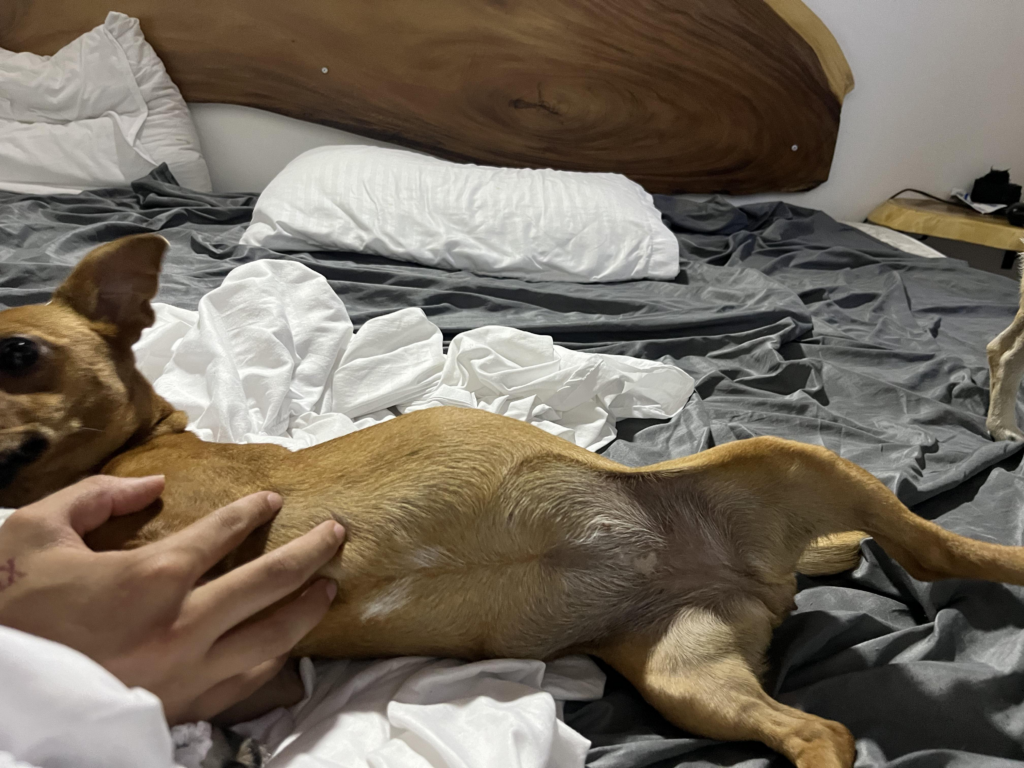
One of the reasons GDV is so deadly is that it affects far more than just the stomach. As the stomach continues to expand and twist, pressure builds inside the abdomen, compressing nearby organs and major blood vessels. This dramatically reduces the amount of blood returning to the heart, causing blood pressure to drop and limiting oxygen delivery throughout the body.
At the same time, the twisted stomach begins to lose its own blood supply. Without oxygen, stomach tissue can quickly become damaged or die, increasing the risk of perforation and allowing bacteria and toxins to enter the bloodstream. These toxins can trigger widespread inflammation and make the dog even sicker.
The spleen, which is closely attached to the stomach, may also twist along with it. This further disrupts blood circulation and may require additional surgical treatment if severe damage has occurred.
As the condition progresses, the heart may develop abnormal rhythms due to reduced blood flow and the release of inflammatory substances into the bloodstream. These cardiac complications can occur even after surgery, which is why dogs recovering from GDV require close monitoring in the hospital.
Without prompt treatment, the combined effects of shock, tissue damage and organ failure can become fatal within hours. This is why veterinarians consider GDV one of the most time-sensitive emergencies in dogs.
10 Signs of Bloat (GDV) You Should Never Ignore
Recognising the warning signs of GDV as early as possible can make the difference between life and death. While not every dog will show every symptom, the signs usually worsen quickly as the stomach continues to expand and twist. If your dog develops several of the following symptoms, seek emergency veterinary care immediately.
| Sign | Why It Happens |
| Swollen or distended abdomen | Gas becomes trapped inside the stomach, causing it to enlarge. |
| Repeated unsuccessful retching | The twisted stomach prevents food and gas from being expelled. |
| Excessive drooling | Nausea and discomfort stimulate excessive saliva production. |
| Restlessness | Dogs struggle to find a comfortable position due to severe abdominal pain. |
| Pacing | A common response to increasing pain and pressure. |
| Heavy panting | Pain, stress, and shock can cause rapid breathing. |
| Whining or signs of pain | The stretched stomach causes significant abdominal discomfort. |
| Pale gums | Reduced blood circulation leads to poor oxygen delivery. |
| Weakness or collapse | Blood pressure drops as shock develops. |
| Rapid heartbeat | The body attempts to compensate for reduced circulation. |
1. Swollen or Distended Abdomen
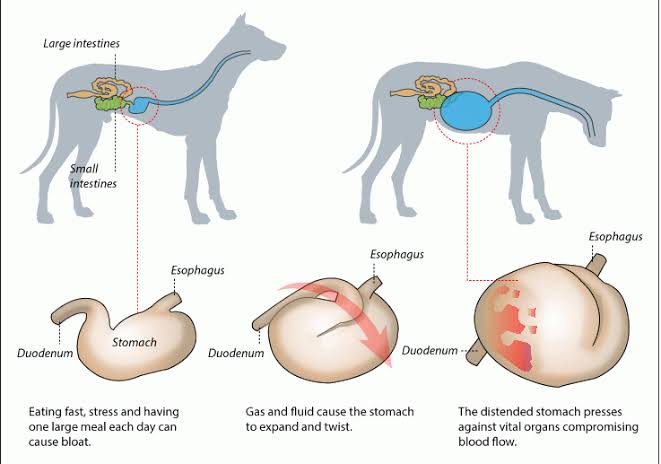
One of the most recognisable signs of GDV is a swollen abdomen. The stomach becomes filled with trapped gas, causing the belly to appear noticeably larger than usual. In many dogs, the abdomen feels firm or tight rather than soft.
However, not every dog with GDV develops dramatic swelling immediately. Dogs with deep chests or thick body fat may show only subtle abdominal enlargement during the early stages, so the absence of obvious swelling should never rule out GDV.
2. Repeated Unsuccessful Retching
Repeated attempts to vomit without producing food or liquid are considered one of the classic signs of GDV. Owners often describe their dog as gagging, retching or trying to vomit repeatedly but bringing up nothing except small amounts of foam or saliva.
This occurs because the twisted stomach blocks both the entrance and exit of the stomach, preventing its contents from escaping.
3. Excessive Drooling
Dogs experiencing GDV often drool excessively due to nausea and severe discomfort. Thick ropes of saliva may hang from the mouth, even if your dog does not normally drool.
4. Restlessness
A dog with GDV usually cannot get comfortable. They may repeatedly lie down, stand back up, circle the room or constantly change positions. This behaviour reflects the increasing pain caused by they expanding stomach.
5. Pacing
As abdominal pressure worsens, many dogs begin pacing continuosly. Some appear anxious or distressed because they cannot relieve the discomfort.
6. Heavy Panting
Pain, stress and reduced oxygen circulation commonly cause heavy panting. Even if the room is cool, you dog may breathe rapidly or appear unable to settle.
7. Whining or signs of pain
Some dogs vocalise because of severe abdominal pain, while others become unsually quiet or withdrawn. Every dog responds differently, so changes in normal behaviour should always be taken seriously.
8. Pale Gums
Healthy gums are normally pink. As blood circulation decreases during GDV, the gums often become pale, grey or white. This is a strong indicator that shock may already be developing.
9. Weakness or Collapse
As blood pressure continues to fall, dogs become increasingly weak. They may struggle to stand, stagger while walking or collapse completely. This represents a late-stage emergency requiring immediate veterinary intervention.
10. Rapid Heartbeat
The heart attempts to compensate for poor circulation by beating faster. Although owners may not always notice this sign, veterinarians frequently detect an elevated heart rate during examination.
What Does a Dog Bloated Stomach Look and Feel Like?
A dog bloated stomach may appear noticeably rounder or larger than usual, particularly behing the rib cage. Depending on the cause, the swelling may effect the entire abdomenor only one area.
When caused by GDV, the abdomen often feels firm, tight and drum-like due to the large amount of trapped gas. Many dogs react painfully if the abdomen is touched, although owners should avoid repeatedly pressing on the belly if bloat is suspected.
It’s also important to remember that some dogs, especially large or overweight breeds, may not show obvious abdominal enlargement during the early stages of GDV. Instead, behavioural changes such as repeated retching, pacing or restlessness may be the first warning signs.
Dog Bloated Stomach vs Normal Gas
Not every bloated stomach is caused by GDV. Mild gas build-up is relatively common and often resolves without emergency treatment. However, distinguishing between harmless gas and GDV can be difficult, especially during the early stages.
| Normal Gas | GDV |
| Mild abdominal swelling | Rapid abdominal enlargement |
| Dog remains comfortable | Severe pain and discomfort |
| May pass gas naturally | Unable to release trapped gas |
| Normal appetite | Refuses food |
| Symptoms gradually improve | Symptoms worsen quickly |
| No repeated retching | Frequent unsuccessful retching |
If you are unsure whether your dog’s swollen abdoment is caused by gas or GDV, it is always safer to seek veterinary advice imeediately. Waiting for symptoms to improve can waste valuable time if GDV is present.
Which Dogs Are Most at Risk?
Although GDV can affect almost any dog, certain breeds and physical characteristics significantly increase the risk.
Large and Deep-Chested Breeds
Dogs with deep, narrow chests have more space withing the abdomen, allowing the stomach to move more freely. This increases the likelihood of the stomach rotating.
High-risk breeds include:
- Great Dane
- German Shepherd
- Weimaraner
- Standard Poodle
- Irish Setter
- Doberman Pinscher
- Saint Bernard
- Gordon Setter
Older Dogs
The risk of GDV generally increases with age, possibly because the ligaments supporting the stomach become less firm over time.
Genetics
Dogs with a close relative that has experienced GDV may have a higher risk of developing the condition themselves.
Eating Habits
Dogs that eat rapidly, consume one large meal daily, or swallow excessive air while eating appear to have a greater risk of developing bloat
Stress
Stressful situations, including travel, boarding, competitions, or sudden changes in routine, may contribute to the development of GDV in susceptible dogs.
What Should You Do If You Suspect GDV?
If you believe your dog has GDV, every minute matters. Delaying treatment significantly reduces the chances of survival.
Contact an Emergency Veterinary Hospital Immediately
Call ahead if possible so the veterinary team can prepare for your arrival. However, do not spend valuable time searching online or monitoring your dog’s condition at home.
Transport Your Dog Safely
Bring your dog to the nearest emergency veterinary hospital as quickly and safely as possible. Avoid unnecessary delays.
Do Not Attempt Home Remedies
Do not massage the abdomen, try to make your dog vomit, or give food, water, or medications unless specifically instructed by a veterinarian. Home treatments cannot correct a twisted stomach and may worsen the situation.
How Is GDV Treated?
Treatment begins immediately after diagnosis because delaying surgery increases the risk of complications.
Stabilisation
Dogs are first stabilised using intravenous fluids to improve blood circulation, oxygen therapy if required, and medications to relieve pain and support cardiovascular function.
Stomach Decompression
The veterinary team attempts to release trapped gas by passing a stomach tube or, in some cases, inserting a needle through the abdominal wall. This helps reduce pressure inside the abdomen before surgery.
Emergency Surgery
Surgery is the only definitive treatment for GDV.
During the procedure, the veterinarian will:
- Untwist the stomach
- Return it to its normal position
- Assess the stomach for damaged tissue
- Remove dead tissue if necessary
- Examine the spleen and remove it if severely compromised
Gastropexy
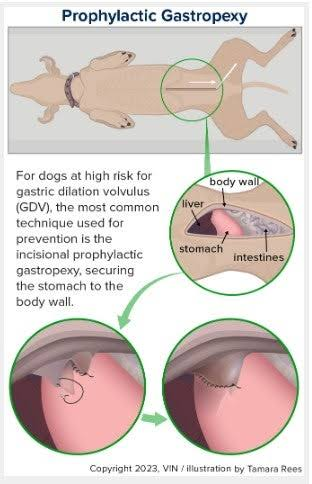
To reduce the risk of future twisting, a gastropexy is usually performed. This procedure permanently attaches the stomach to the abdominal wall, making future episodes of GDV much less likely.
When Should You Visit an Emergency Veterinarian?
Seek immediate veterinary attention if your dog develops:
- A suddenly swollen abdomen
- Repeated unsuccessful retching
- Pale gums
- Excessive drooling
- Heavy panting
- Weakness
- Collapse
- Difficulty breathing
When it comes to GDV, it is always safer to have your dog examined immediately rather than waiting to see if symptoms improve.
FAQ
1. Is a dog bloated stomach always a sign of bloat (GDV)?
No. A dog bloated stomach can be caused by several conditions, including overeating, gas, constipation, fluid accumulation, or pregnancy. However, because GDV is life-threatening, any sudden abdominal swelling should be evaluated by a veterinarian immediately.
2. How can I tell if my dog bloated stomach is an emergency?
A dog bloated stomach should be treated as an emergency if it is accompanied by repeated unsuccessful retching, excessive drooling, restlessness, pale gums, heavy panting, weakness, or collapse. These signs may indicate GDV and require immediate veterinary care.
3. Can a dog bloated stomach go away on its own?
It depends on the cause. Mild gas or temporary digestive upset may resolve naturally, but a dog bloated stomach caused by GDV will not improve without emergency treatment. If your dog’s abdomen becomes swollen suddenly or symptoms worsen, seek veterinary care immediately.
4. What causes a dog bloated stomach?
A dog bloated stomach can result from swallowing excess air, overeating, constipation, intestinal blockage, fluid accumulation, internal bleeding, tumours, or gastric dilatation-volvulus (GDV). A veterinarian can determine the underlying cause through a physical examination and diagnostic tests.
5. Which dog breeds are most likely to develop a dog bloated stomach from GDV?
Large, deep-chested breeds such as Great Danes, German Shepherds, Weimaraners, Standard Poodles, Irish Setters, Doberman Pinschers, and Saint Bernards are at a higher risk of developing GDV. However, any dog can develop a dog bloated stomach, so owners should remain vigilant.